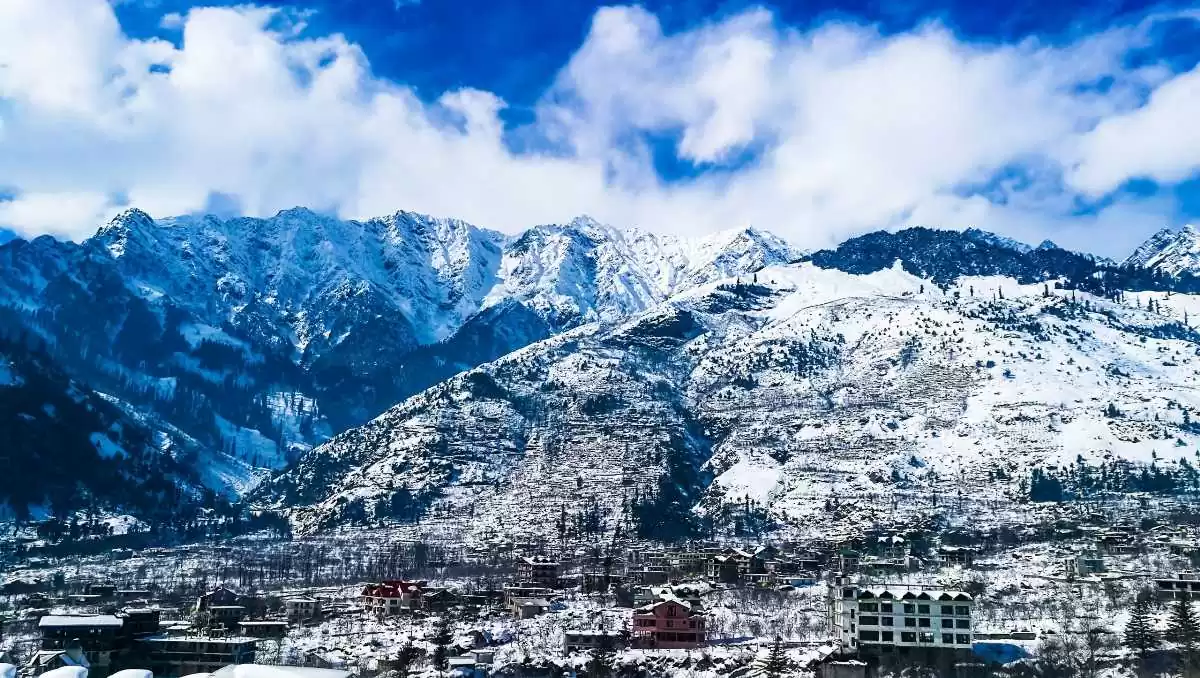
idden in the dense forests near the picturesque village of Jibhi in Himachal Pradesh, the Balu Nag Temple is a sacred shrine dedicated to the serpent deity Balu Nag. This ancient temple, estimated to be several centuries old, represents the deep-rooted Nag (serpent) worship culture prevalent in Himalayan regions. Unlike the more commercialized tourist attractions, Balu Nag Temple retains its authentic spiritual charm, attracting devotees and curious travelers seeking offbeat experiences. The temple's location amidst towering deodar trees, the melodious sounds of nearby streams, and the absence of crowds create an atmosphere perfect for meditation and spiritual contemplation. The journey to this forest shrine is as enriching as the destination itself, offering glimpses into traditional Himachali culture and pristine natural beauty.
The Legend of Balu Nag
According to local folklore, Balu Nag is a powerful serpent deity who protects the region and its people from natural calamities and evil forces. Legends speak of ancient times when the deity appeared to villagers in their dreams, instructing them to build a temple at this specific forest location. The shrine was constructed, and since then, Balu Nag has been revered as the guardian spirit of the area. Devotees believe that sincere prayers to Balu Nag can cure diseases, especially skin ailments and snake bites, and bring prosperity to families. The temple has no elaborate idol; instead, natural rock formations inside represent the deity, a common practice in ancient serpent worship. Local villagers maintain strong faith and regularly visit to seek blessings and give thanks for protection.

The Forest Walk to the Temple
Reaching Balu Nag Temple requires a scenic 1.5-kilometer walk from Jibhi village through pristine Himalayan forest. The trail is relatively easy, suitable for all age groups, passing through dense groves of deodar, pine, and oak trees. Sunlight filters through the canopy creating beautiful patterns on the forest floor covered with pine needles and wildflowers. The sound of birds chirping, leaves rustling, and distant streams creates a natural symphony that calms the mind. Along the way, you'll encounter traditional Himachali houses with their distinctive architecture, locals going about daily chores, and friendly dogs that often accompany trekkers. The walk itself becomes a meditative experience, preparing visitors for the spiritual encounter awaiting at the temple.
Traditional Architecture and Rituals
The Balu Nag Temple showcases classic Himachali temple architecture – a pagoda-style wooden structure with beautifully carved doors, windows, and sloping slate roof designed to shed heavy snowfall. The temple premises include a courtyard where devotees gather, a main sanctum housing the deity's representation, and a small shelter for the temple caretaker. Inside, oil lamps flicker, creating dancing shadows on ancient wooden walls adorned with faded paintings depicting serpent deities. The ritual practices here are simple yet profound – devotees offer milk, flowers, and incense while the temple priest performs traditional pujas. During special occasions like Nag Panchami (festival dedicated to serpents), elaborate ceremonies attract villagers from surrounding areas who participate in collective prayers and cultural programs.
Jibhi Village: The Perfect Base
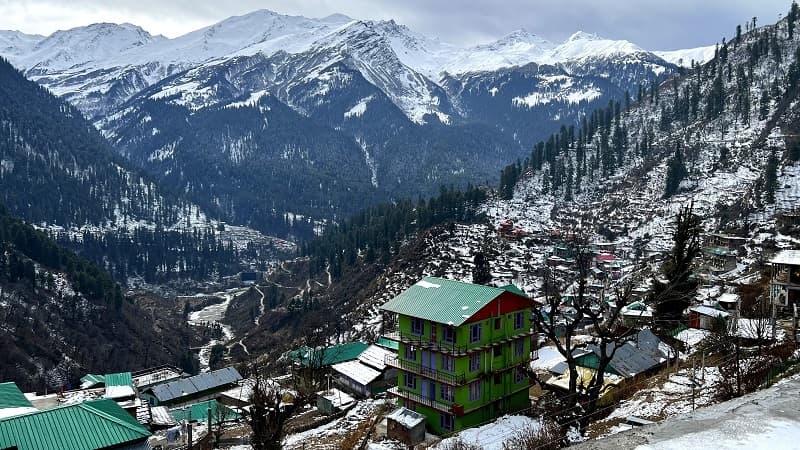
Jibhi village itself deserves exploration before or after visiting the temple. This charming hamlet has become a favorite among travelers seeking authentic Himalayan experiences. Traditional wooden houses, apple orchards, meandering streams, and warm local hospitality define Jibhi's character. The village offers numerous homestays where you can experience Himachali culture, cuisine, and lifestyle firsthand. Nearby attractions include the stunning Jibhi Waterfall, ancient Chehni Kothi (a 1,500-year-old tower), Serolsar Lake trek, and Jalori Pass. Jibhi serves as a perfect base for exploring multiple offbeat destinations in Tirthan Valley while maintaining a peaceful, unhurried pace of life that allows genuine relaxation.
Best Time and Visitor Information
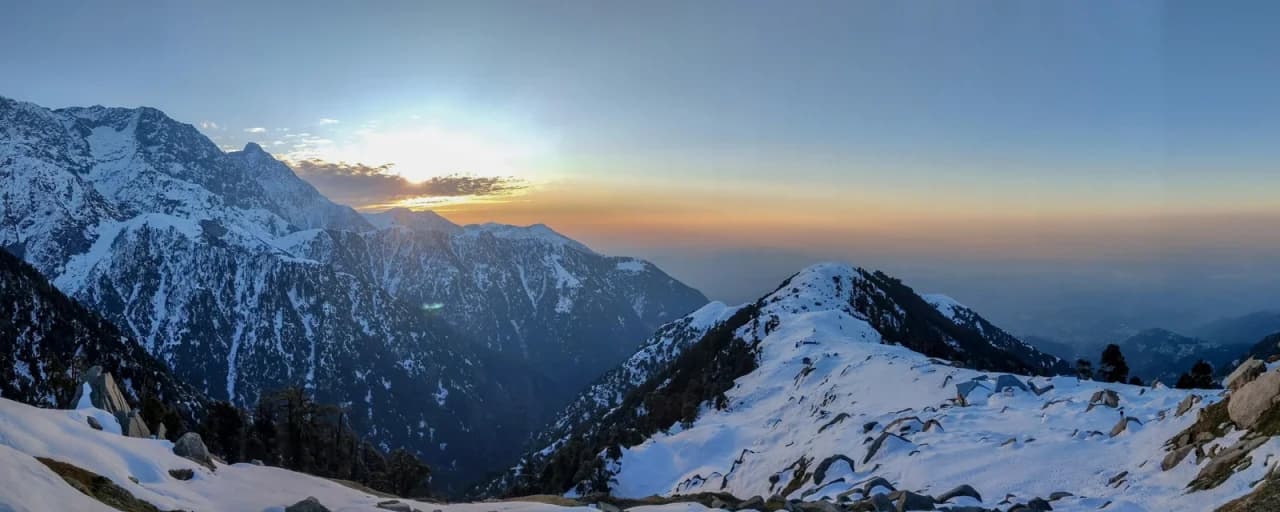
The temple is accessible throughout the year, though experiences vary by season. April to June brings pleasant weather with blooming wildflowers and comfortable trekking conditions. Monsoon (July-September) turns the forest lush green but trails become slippery and leech-prone. October to November offers the best weather with clear skies, colorful autumn foliage, and comfortable temperatures. December to March sees snowfall transforming the area into a winter wonderland, though you'll need warm clothing and should check trail conditions. The temple has no entry fee, but donations for maintenance are appreciated. Basic facilities like toilets and drinking water are available. Mobile network can be patchy, adding to the sense of disconnection from modern distractions.
“
"In the silence of Balu Nag's forest temple, you hear what cities drown out – the whisper of trees, the wisdom of mountains, and the voice of your own soul."
— A Visiting Writer, 2024
Key Takeaways
Practical Tips
Wear comfortable walking shoes with good grip for the forest trail
Carry water and light snacks – no shops available en route
Respect local customs – remove footwear before entering temple premises
Seek permission before photographing local people or inside the temple
Maintain silence and peaceful demeanor within the temple compound
Make a small donation to support temple maintenance
Avoid littering – carry all waste back to Jibhi village
Visit early morning for a more peaceful, crowd-free experience
Combine temple visit with exploring Jibhi Waterfall (15-minute walk)
Consider staying in Jibhi homestays for authentic cultural immersion
Learn a few basic local phrases – locals appreciate the effort
11 tips to help you on your journey
Balu Nag Temple offers more than religious significance – it provides an authentic connection to Himalayan traditions, ancient serpent worship culture, and the healing power of nature. The forest walk clears your mind, the temple atmosphere touches your soul, and the experience of being away from tourist circuits reminds you that sacred spaces still exist beyond guidebook recommendations. Whether you're a spiritual seeker, culture enthusiast, or nature lover, this mystical forest shrine near Jibhi welcomes you with open arms and quiet wisdom. As you return to Jibhi village after your visit, you carry with you not just blessings of the serpent deity but also a renewed appreciation for traditions that honor nature, simplicity, and the divine mysteries hidden in mountain forests.
Pankaj Kumar Meena
AuthorCultural researcher exploring hidden temples and folklore of Himachal. Follow along for more travel stories, photography tips, and destination guides from around the world.