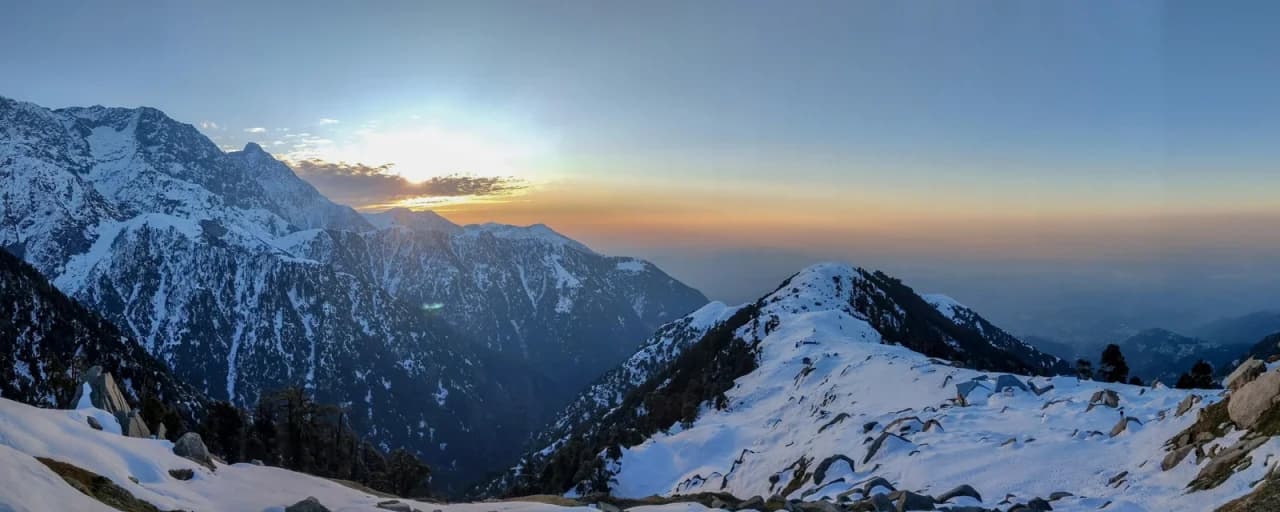
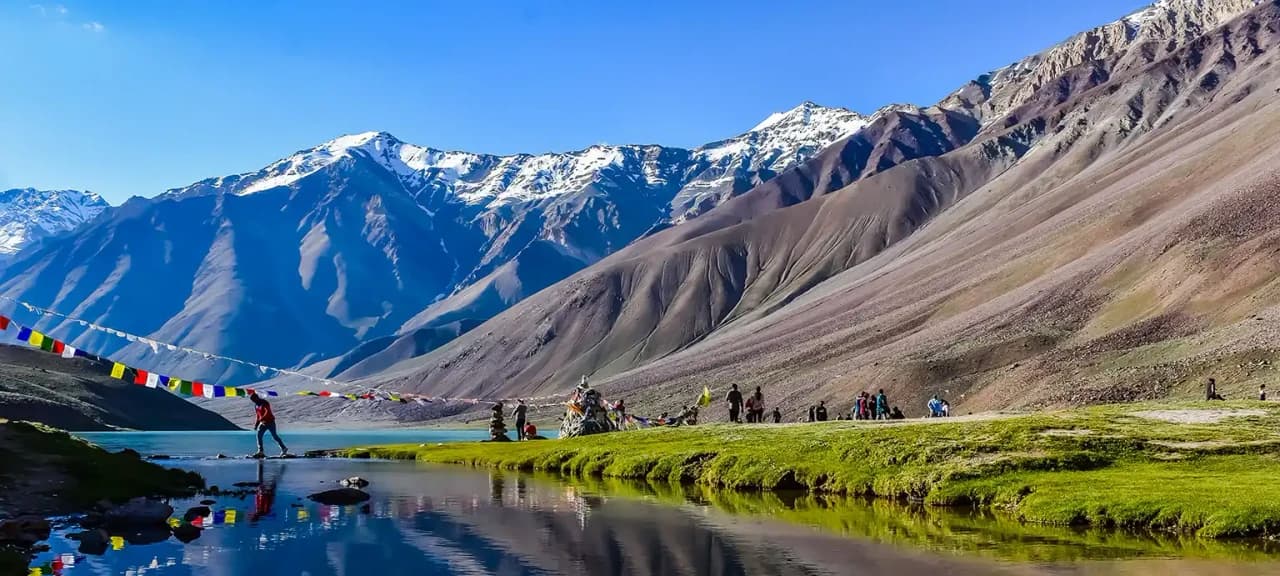
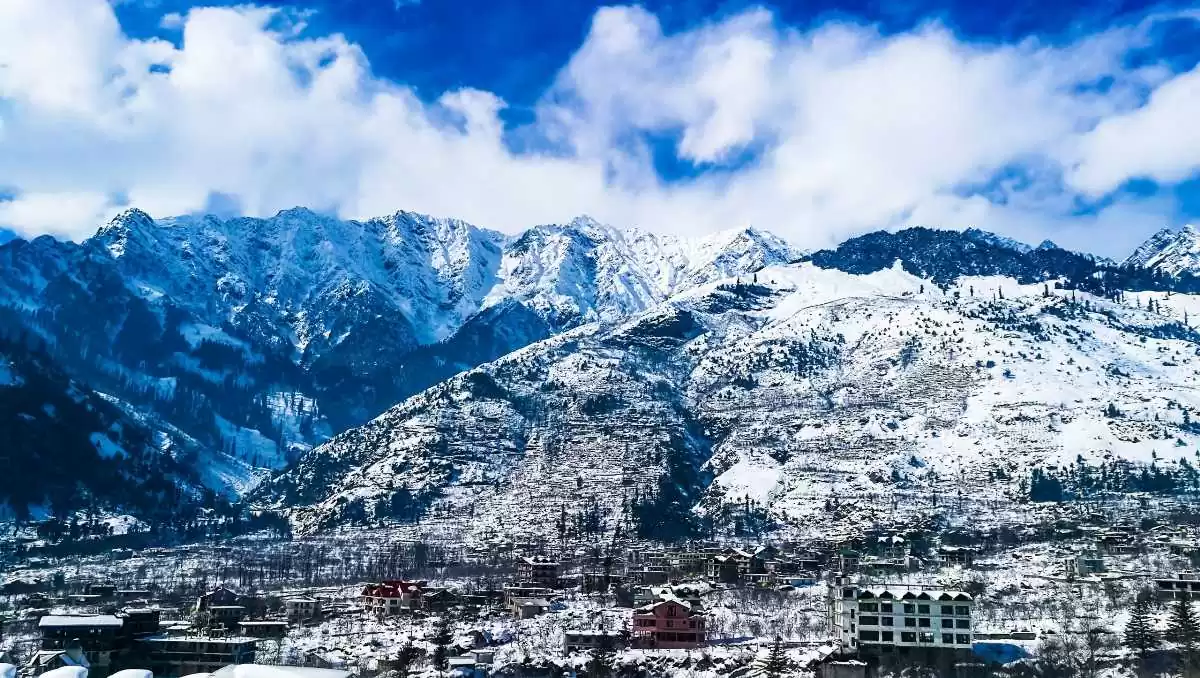
he Pin Parvati Pass Trek is, by virtually every measure, India's most demanding and consequential high-altitude trekking route. Crossing the Great Himalayan Range at 5,319 meters (17,457 feet) — higher than most peaks in the Alps and comparable in altitude to Everest Base Camp — this 9-12 day expedition connects the verdant, pine-forested Parvati Valley of Kullu with the high-altitude cold desert of Pin Valley in Spiti, crossing a divide so dramatic that experienced trekkers describe arriving in Spiti as landing on another planet. The route requires genuine mountaineering skills: negotiating crevasse-riddled glaciers, navigating route-finding challenges in white-out conditions, climbing steep ice and snow faces with full backpacks, and spending multiple nights above 4,500 meters where altitude affects every physiological system. This is not a trek for ambitious beginners despite what some enthusiastic travel articles suggest — it is a serious undertaking that has resulted in fatalities among poorly prepared groups and requires rescue operations every season. But for those who prepare meticulously, hire expert guides, and approach the pass with appropriate humility, the Pin Parvati crossing delivers experiences of such raw, magnificent intensity that trekkers consistently rank it among the defining experiences of their outdoor lives. The contrast between the two valleys — separated by a single ice-capped ridge — is perhaps the most dramatically rendered landscape transition achievable on foot in India.
Understanding the Challenge: Why This Trek is Different
What separates Pin Parvati Pass from other Indian high-altitude treks is the combination and duration of its technical demands. Unlike Hampta Pass (4,270m, relatively short technical sections) or Rupin Pass (4,650m, ice sections manageable with basic crampons), Pin Parvati demands sustained glacier travel across the Parvati Glacier and Pin Parvati Glacier systems — terrain where crevasses can swallow a person, where whiteout conditions remove all visual reference points, and where the consequences of misjudgment are severe. Trekkers must be competent with crampons and ice axes (not just carrying them but actually using them for self-arrest and protection), capable of rope management in glacier travel, and physically equipped for daily altitude gains that push the boundaries of human acclimatization. The pass elevation of 5,319m means that oxygen availability at the summit is roughly 53% of sea level — a physiological challenge that training alone cannot fully prepare you for. Multi-day exposure to altitudes above 4,000m means that even fit, experienced trekkers routinely experience reduced appetite, disturbed sleep, and persistent low-grade headaches. Weather adds another variable: the pass window (mid-July to mid-September) overlaps with monsoon season, meaning storms can materialize rapidly, visibility can drop to meters, and snow can freshen existing slopes to avalanche risk overnight. Guides who know the pass intimately — who can read weather signs, find glacier routes in poor visibility, and make the crucial decision to turn back before conditions become dangerous — are not a luxury on this route. They are a survival necessity.

The Parvati Valley Approach: Green Paradise
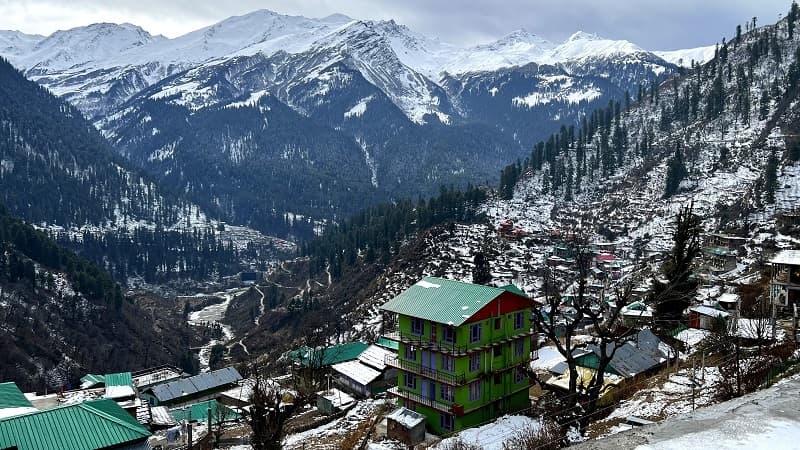
The trek begins from Barsheni or Kheerganga in Himachal Pradesh's Parvati Valley — one of India's most beautiful and spiritually charged mountain valleys, the home of the legendary Kheerganga hot springs and the starting point of the Pin Parvati pilgrimage. From Kheerganga (2,960m), the route continues into increasingly remote terrain through Tunda Bhuj and Mantalai Lake (4,000m), a sacred lake at the base of the pass that is considered the source of the Parvati River and is an important pilgrimage destination for Hindu devotees. The approach through Parvati Valley is visually extraordinary — dense forests of deodar and Himalayan oak give way to alpine meadows carpeted with wildflowers in July, then to high-altitude terrain where the landscape becomes increasingly stark as Mantalai Lake approaches. River crossings are frequent and can be challenging after rain; several are crossed by logs or improvised bridges that require careful navigation. Wildlife in this section includes the brown bear (an important safety consideration — make noise and carry bear spray), Snow Leopard (very rarely seen but present), Himalayan brown bears at the forest edges, and abundant birdlife including various high-altitude specialists. The cultural context of the approach — following a route used for centuries by Hindu pilgrims and trans-Himalayan traders — adds layers of meaning to each campsite.

The Pass Crossing: A Day at the Limit
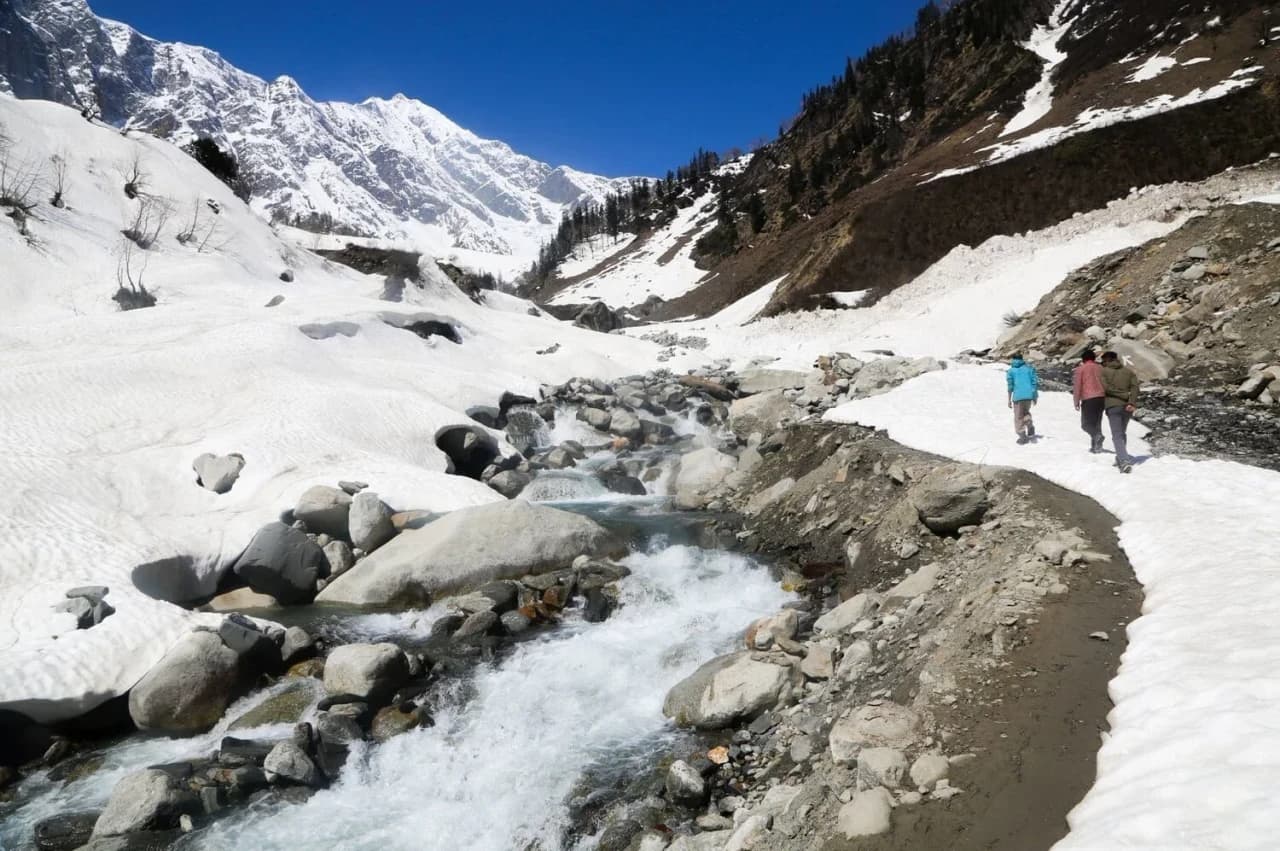
The pass crossing day is typically split into two stages: a high camp (4,800-4,900m) the day before, allowing an alpine start the following morning. Waking at 2-3 AM for the pass crossing is standard — the ice is firmest in pre-dawn cold, reducing crevasse risk and providing the most stable footing on snow slopes. The ascent from high camp to the pass summit (approximately 400-500 vertical meters) involves traversing the upper Parvati Glacier on crampons with ice axes carried for potential self-arrest. In good conditions, fixed ropes placed by guides help on the steepest sections. Navigation in good visibility is demanding; in cloud or snow, it requires GPS, compass competence, and guide experience. The pass summit itself is a narrow, wind-battered notch in the ridge where the contrast between the two valleys becomes visually stunning: the green Parvati drainage falling away behind you, and the barren, brown-grey Pin Valley landscape spreading out below into Spiti's cold desert. After photographs and a moment's exultation, the descent requires equal care — the Pin Parvati Glacier on the Spiti side has its own crevasse fields and steep sections. The descent to the first Spiti-side camp takes 4-5 hours of careful navigation and is typically completed by mid-afternoon, allowing the remainder of the day for recovery. Every experienced guide on this route has stories of turning groups back from below the pass due to weather, ice conditions, or group fitness — and every good guide is prepared to make that same decision again, because the pass will still be there next season, but the trekkers who push beyond their limits may not be.

Pin Valley: The Other World
Descending from the pass into Pin Valley is one of the great landscape transitions in Himalayan trekking. Within a few kilometers, the environment shifts from glacial terrain to Spiti's cold desert — the vegetation vanishes, the colors shift from white-blue-green to ochre-brown-grey, and the silence takes on a different quality: less forest hush and more geological emptiness. Pin Valley National Park, through which the descent passes, is one of India's most important protected areas for snow leopard habitat, and the combination of rugged canyon terrain, extensive grasslands at altitude, and sparse human presence creates genuine wildlife spotting opportunities. Ibex — the large Himalayan mountain goat with swept-back horns — are commonly seen, often in groups of 50 or more. The first villages encountered after the pass — particularly Mud Village, the park headquarters — represent civilizational relief of profound proportions after days in the wilderness. The tea shops and simple guesthouses of Mud Village feel like the most welcoming establishments on earth after the physical and psychological demands of the crossing. From Mud, most groups arrange vehicles to Kaza, completing the traverse from Parvati Valley to Spiti Valley — two of Himachal Pradesh's most dramatic landscapes, experienced together in a continuous journey across the Great Himalayan Range.
Training, Gear, and Responsible Planning
Preparing for Pin Parvati Pass requires a training period of minimum 3-4 months before the trek. Physical conditioning should include high-volume cardiovascular work (running, cycling, stair climbing with weighted pack), leg and core strength training, and at least two practice treks at altitude (minimum 4,000m) to establish that you acclimatize reasonably well. Technical skills — crampon use, ice axe arrest position, rope management in a team — should be learned and practiced before the trek, not during it. An ice and snow course from a certified mountaineering institute (NIM in Uttarkashi or HMI in Darjeeling) is strongly recommended. Essential gear includes four-season mountaineering boots compatible with crampons, full-shank crampons, an ice axe of appropriate length, a -15°C rated sleeping bag, a four-season tent capable of withstanding high winds, a complete layering system including down jacket and waterproof outer shell, and a comprehensive first-aid kit including high-altitude medications prescribed by a physician. Satellite communication device (Garmin InReach or similar) is strongly recommended for emergency communication where mobile networks are entirely absent. A comprehensive helicopter evacuation insurance policy is not optional — it is mandatory. Budget approximately Rs. 50,000-80,000 per person for organized group expeditions with experienced guides, porters, complete camping equipment, and all meals. Attempting this trek without experienced guides to save costs is a false economy that has resulted in preventable tragedies.
“
"Pin Parvati Pass doesn't give you a summit — it gives you a crossing. And in crossing it, you cross something inside yourself as well, discovering a version of yourself that the comfortable world never required to exist."
— Elite Mountain Guide, 2024
Key Takeaways
Practical Tips
Mandatory: Prior high-altitude trekking experience above 4,500m minimum
Complete an ice and snow course from NIM Uttarkashi or HMI Darjeeling
Never attempt without experienced, certified guides — this is a safety critical requirement
Purchase comprehensive helicopter evacuation insurance before the trek
Train for minimum 3-4 months with altitude-specific cardio and strength training
Carry a satellite communication device — mobile coverage is zero throughout
Sleeping bag rated to -15°C is required for high camps — not negotiable
Acclimatize in Kasol (2 days) and Kheerganga (2 days) before pushing higher
Know the turn-back criteria: always defer to your guide's judgment
Carry a week's surplus food — weather delays are common at glacier camps
Practice crampon and ice axe techniques before arriving at the pass
Be mentally prepared for the possibility of turning back — summit fever kills
Budget Rs. 50,000-80,000 per person for a properly organized expedition
Physical training should begin minimum 3-4 months before departure
14 tips to help you on your journey
The Pin Parvati Pass represents the outer edge of accessible Himalayan adventure — the point where trekking becomes mountaineering, where fitness becomes technical competence, and where the rewards scale commensurately with the demands. Those who approach it with the proper preparation, the appropriate guide support, and the intellectual honesty to turn back when conditions demand it will find in Pin Parvati one of India's truly formative outdoor experiences: a physical and psychological journey that reveals character, builds capability, and delivers beauty of such uncompromising intensity that all subsequent mountain experiences must be measured against it. The vision of Spiti spreading out below the pass after days in Parvati's forests — that great brown cold-desert revelation — is worth every kilometer of difficult approach, every cold night in a high camp, every step on ice and snow. But it is worth this only to those who deserve it through preparation. The mountains are not democratic in this regard: Pin Parvati Pass offers its full gifts only to those who come properly ready. Go prepared, go humble, and go with the best guides you can find. The crossing will be among the most significant things you ever do on foot.
Pankaj Kumar Meena
AuthorElite high-altitude trekking guide with over 20 successful crossings of technical Himalayan passes. Follow along for more travel stories, photography tips, and destination guides from around the world.