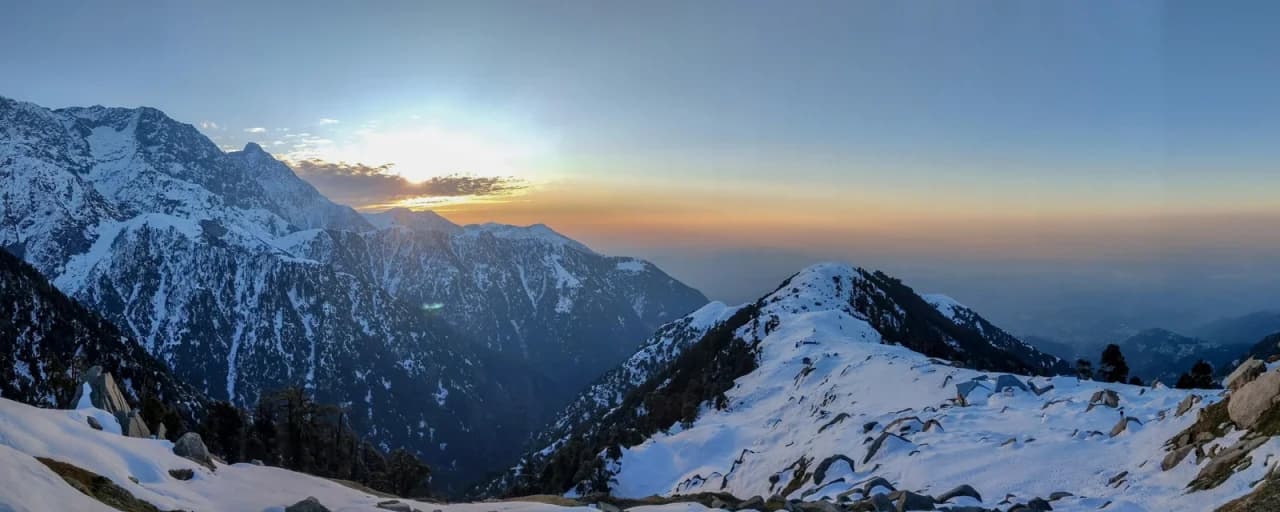
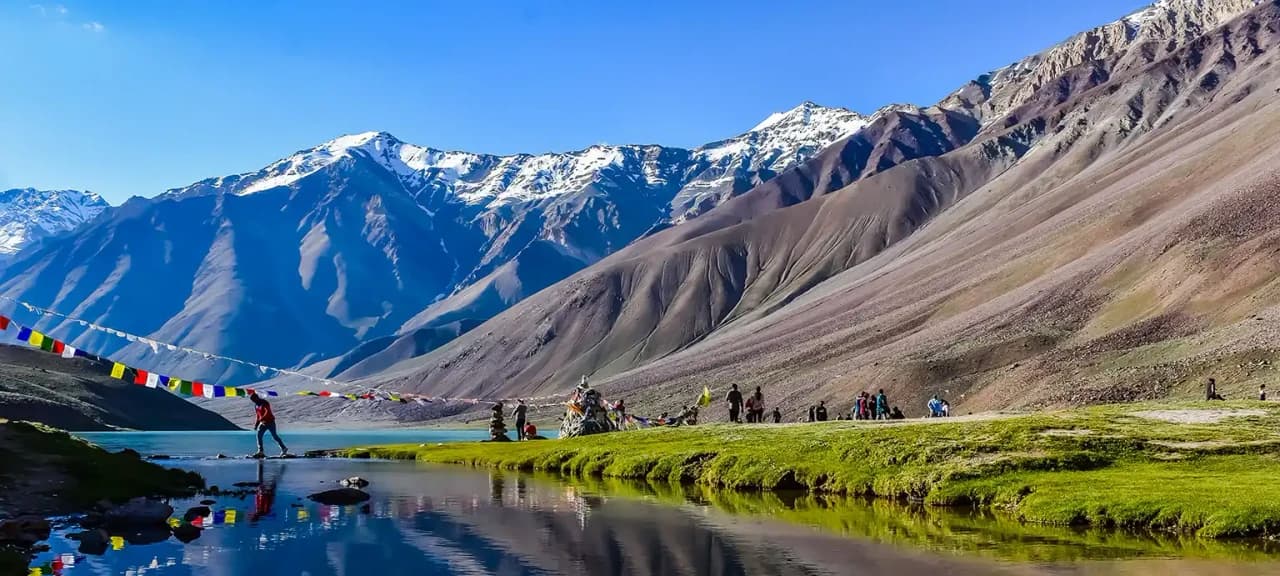
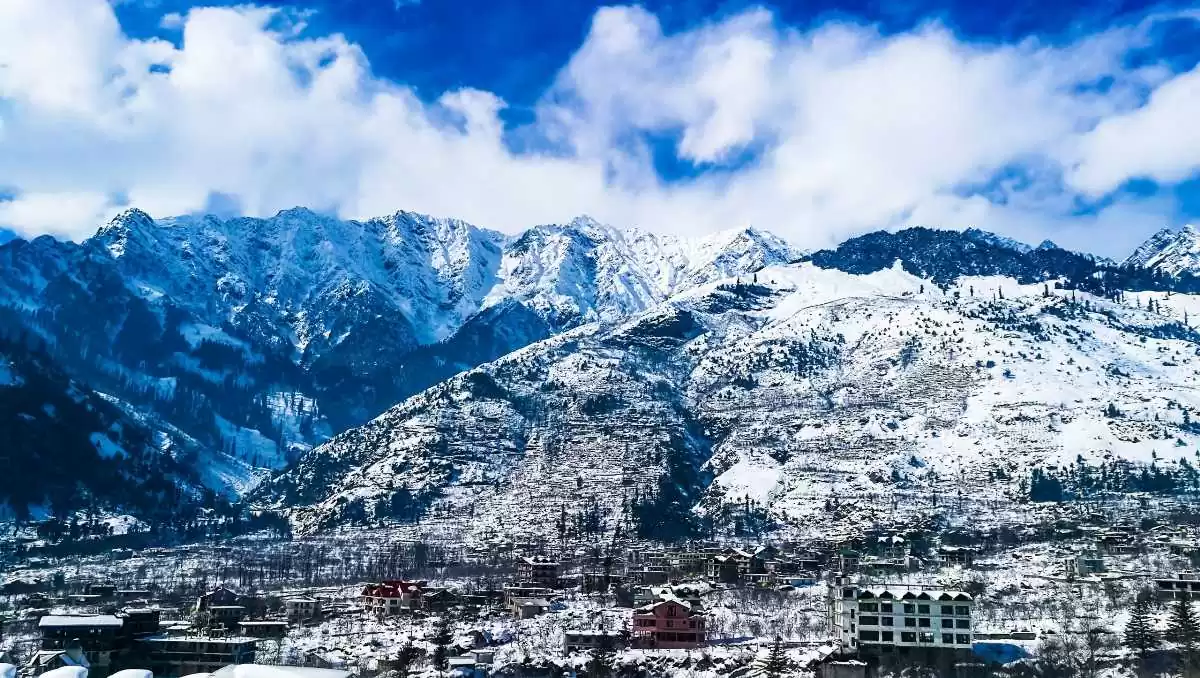
he Rupin Pass Trek is widely regarded as one of India's most dramatic and diverse high-altitude treks, packing an extraordinary variety of landscapes, terrains, and natural spectacles into a single 8-9 day journey. Starting from Dhaula in Uttarakhand and ending at Sangla in Himachal Pradesh's Kinnaur Valley — or vice versa — this trek crosses the Rupin Pass at 4,650 meters (15,250 feet), traversing environments that shift rapidly from dense oak and rhododendron forests to hanging villages clinging to cliff faces, from turquoise glacial streams to snow bridges across frozen waterfalls, from lush alpine meadows to the stark, cold grandeur of high-altitude glacial terrain. The Rupin River, a constant companion for much of the journey, transforms from a narrow mountain stream near its source to a roaring torrent as it descends, and the trek follows its evolution like a story unfolding. What sets the Rupin Pass apart from other Indian treks is not just altitude or difficulty — it is the sheer theatrical variety of its landscapes, where each day reveals a completely different world, making it a trek that astonishes even experienced Himalayan veterans. This is not just a trek; it is a masterclass in Himalayan geography.
Trek Overview and Day-by-Day Itinerary
The classic Rupin Pass trek spans 8-9 days covering approximately 55-60 kilometers with a total altitude gain of around 3,200 meters. Day 1 begins in Dhaula (1,980m), a village near Nohradhar accessible from Dehradun. The trail climbs through mixed forests to Sewa village (2,380m), offering first views of the surrounding ridgelines. Day 2 continues through dense rhododendron forest to Saruwas Thatch (3,100m), a beautiful alpine meadow campsite. Day 3 is a relatively short but stunning walk to Rupin Village (2,900m), a cluster of traditional stone houses perched dramatically on a cliff with the Rupin waterfall clearly visible ahead — a cascade that appears to fall from the clouds. Days 4 and 5 involve progressively more challenging terrain as you ascend the waterfall section using ropes and carved steps, cross the Upper Waterfall Campsite (3,640m), and push higher to the snowfields below the pass. Day 6 is the pass day — a predawn start to cross Rupin Pass (4,650m), requiring navigation across snow slopes and potentially ice sections before the long descent to the camp below. Days 7-8 descend through the dramatically different Kinnaur landscape to Sangla via Jhaka village. This gradient from familiar Himalayan green to Kinnaur's stark, arid landscapes mirrors the Hampta Pass experience but at greater altitude and with more sustained difficulty.

The Rupin Waterfall: A Frozen Giant
The most iconic feature of the Rupin Pass trek is the Rupin Waterfall — a multi-tiered cascade that plunges approximately 500 meters in stages, creating one of the most spectacular natural sights in the Indian Himalayas. During winter and early spring, this waterfall freezes into an enormous column of ice, creating what trekkers describe as 'a frozen highway in the sky.' When the trek season begins in late May-June, the frozen waterfall is only partially melted, and trekkers must climb alongside and over the remaining ice using fixed ropes and natural holds in an experience that combines trekking with basic ice climbing. By July-August, the waterfall flows freely and roars impressively, though snow bridges may still cross the river at higher points. Camping at Upper Waterfall Campsite, directly below this cascade with the sound of falling water as your lullaby and the ice face glowing blue in the moonlight, is described by most trekkers as the trek's most magical experience. Reaching this waterfall from Rupin village takes most visitors 3-4 hours and involves navigating steep, exposed sections — a foretaste of the challenges ahead but rewarded by views that justify every difficult step.

Hanging Villages and Local Culture
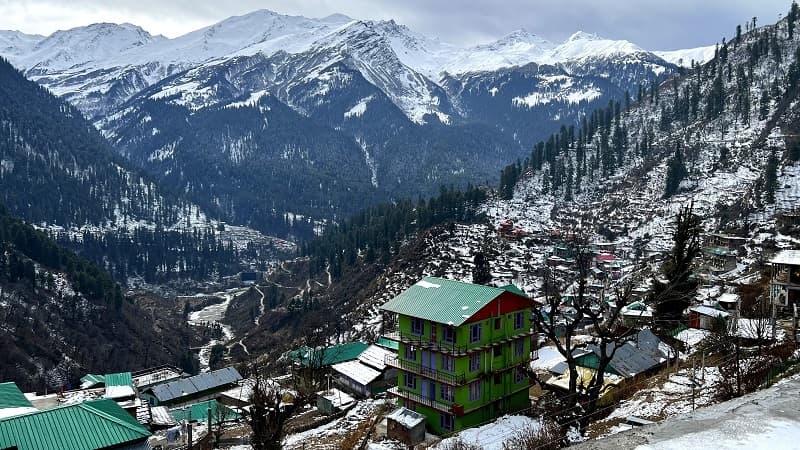
One of Rupin Pass trek's most distinctive features is passing through Dhaula, Sewa, and Rupin villages — remote settlements that have maintained traditional mountain lifestyles largely unchanged for generations. Rupin Village, perched on a seemingly impossible ledge above the river gorge, is particularly striking — clusters of flat-roofed stone houses with wooden balconies decorated with drying corn and red chillies, prayer flags fluttering above family temples, and terraced fields that appear to defy the mountain's steepness. The inhabitants of these villages are largely of Garhwali descent and speak dialects that blend Garhwali and Himachali influences. Hospitality here is extraordinary — families regularly invite trekkers for chai, sharing fresh butter, local honey, and homemade bread. Unlike popular trekking circuits where homestays have been commercialized, here the hospitality remains genuinely traditional. Many trekkers budget extra time in Rupin Village specifically to rest, interact with locals, photograph the dramatic setting, and experience a way of life that urban India has all but forgotten. The village also has a fascinating irrigation system — hand-dug channels carved into cliff faces bringing glacial meltwater to fields — an engineering achievement of remarkable ingenuity.
Difficulty, Fitness, and Essential Preparation
Rupin Pass is rated as a difficult trek and should only be attempted by individuals with prior high-altitude trekking experience. The combination of sustained altitude (above 3,500m for 3+ days), long daily hiking durations (6-9 hours), technical sections near the waterfall and pass, and extreme weather variability make this a trek that demands serious preparation. Begin physical training 8-10 weeks in advance with daily cardiovascular exercise (running, cycling, swimming), leg strengthening routines (squats, lunges, step-ups), and progressively longer practice hikes carrying a 10-15 kg backpack. Altitude acclimatization cannot be rushed — the itinerary should include acclimatization days and the ascent profile should allow gradual altitude gain. Essential technical gear includes a pair of microspikes or crampons (for ice sections near the pass), trekking poles (mandatory, not optional), a four-season sleeping bag rated to at least -10°C, high-quality waterproof boots, and a comprehensive rain and wind protection system. Ice axes may be needed for the pass crossing in early season (May-June). Mental preparation is equally important — the pass day involves a 5-6 hour ascent in thin air starting before dawn, and the psychological challenge of continuing when exhausted and altitude-affected separates successful completions from retreats.
Snow Bridges and High-Altitude Camping
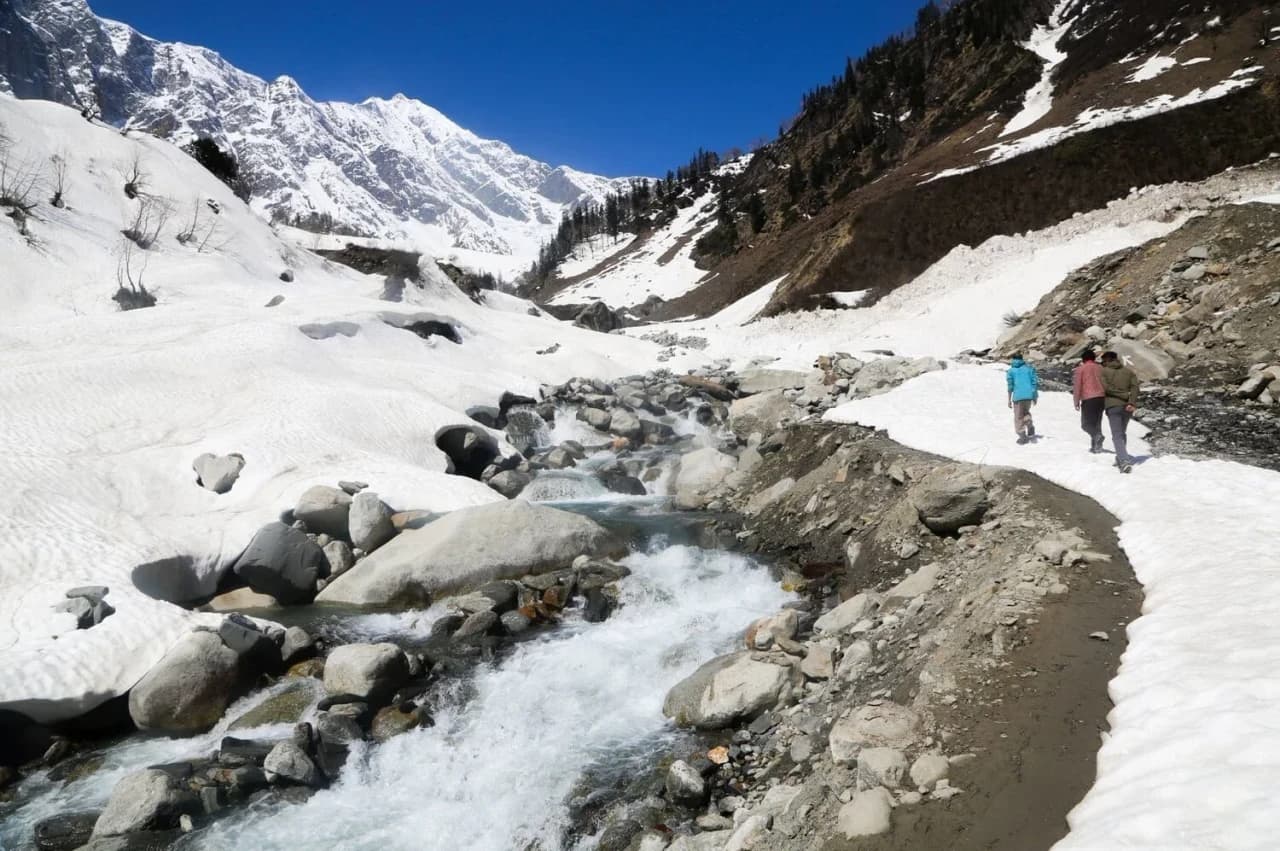
Among the Rupin Pass trek's most extraordinary experiences are the snow bridges — natural arches formed by snow accumulation over the Rupin River and its tributaries. These bridges, some spanning 15-20 meters and 5-10 meters above the rushing meltwater, must be crossed carefully as their stability varies with temperature and time of season. Early season crossings (June) find the bridges thick and solid; later in the season they thin, occasionally collapsing with dramatic effect. The sound of the river rushing beneath your feet through these snow tunnels is genuinely thrilling. High-altitude camping on this trek — particularly at Upper Waterfall Campsite (3,640m) and Base Camp (4,200m) — is characterized by staggering star visibility at night and the physical challenges of cooking, sleeping, and functioning at altitude with limited oxygen. Temperatures drop to -5°C or lower at these camps even in July, making warm sleeping equipment non-negotiable. But the rewards are proportional to the challenges — watching the Milky Way arc over snow peaks from inside your sleeping bag, waking to frozen water bottles and steam rising from your breath in the crystal-cold dawn, and preparing for the pass with mountains glowing orange in first light — these are experiences that justify everything.
Best Season and Logistics
The Rupin Pass trek window runs from mid-May to mid-November, with two distinct optimal periods. May-June offers the dramatic frozen/partially frozen waterfall experience and abundant snow, making the trek more technically challenging and visually more spectacular — ideal for experienced trekkers comfortable with snow travel. September-October provides stable weather, less snow, clearer skies, and the dramatic autumn colors of the forests — ideal for trekkers prioritizing trail clarity and lower technical difficulty. July-August falls in monsoon season; while the valley is lush and the waterfall roars magnificently, trails can be slippery, leeches are present in forested sections, and river crossings can become dangerous. Most organized expeditions avoid July-August. Start points are Dhaula (for Uttarakhand start) or Sangla in Kinnaur (for Himachal start). Dhaula is accessible from Dehradun (7-8 hours by road via Nohradhar). Sangla is accessible from Shimla via the Kinnaur highway. It is strongly recommended to book this trek with experienced operators who provide tents, sleeping bags, meals, porters, and — most importantly — guides who know the route in all conditions.
“
"The Rupin Pass is where the Himalayas reveal their full drama — frozen waterfalls, hanging villages, and a pass that demands everything you have, then rewards you with views that make you weep with gratitude."
— Mountaineering Guide, 2024
Key Takeaways
Practical Tips
Previous high-altitude trekking experience (at least 4,000m) is mandatory
Carry microspikes or crampons for ice sections near the waterfall and pass
Begin physical training 8-10 weeks before the trek
Book with experienced operators who provide porters, guides, and equipment
Carry a -10°C or lower rated sleeping bag — nights are extremely cold
Pack waterproof trekking shoes with ankle support — critical for safety
Carry trekking poles — mandatory, not optional on this trek
Acclimatize in Dhaula or Sewa for a day before pushing higher
Carry headlamp with extra batteries — pass crossing starts before dawn
Pack high-energy snacks: nuts, chocolate, energy gels, protein bars
Always keep Diamox (acetazolamide) handy after consulting your doctor
Take comprehensive trekking insurance covering helicopter evacuation
Carry at least Rs. 5,000 extra cash — emergency options are non-existent
Never attempt this trek solo — group size should be minimum 4 people
14 tips to help you on your journey
The Rupin Pass Trek earns its reputation as India's most dramatic trail not through hyperbole but through sheer accumulated magnificence — a frozen waterfall you must climb beside, snow bridges over roaring glacial rivers, villages that appear to float on cliff edges, and a final pass that pushes you to genuine physical limits before delivering a panoramic reward that belongs on the list of life's defining moments. This is a trek that filters itself — it rewards preparation, punishes overconfidence, humbles the strongest bodies, and ultimately offers the deepest satisfaction to those who complete it with proper respect for the mountains. Arriving in Sangla or Dhaula after 8-9 days on this trail, with tired legs, sun-darkened skin, and a collection of memories that no photograph can fully capture, you understand why veteran trekkers rank Rupin Pass among India's finest adventures. The frozen waterfall's thundering silence, the snow bridge's translucent arc over black water, the pass summit's panoramic vastness — these images become permanent residents of your inner landscape, returning unbidden on ordinary days when the mountains call and the trail beckons again.
Riya Sharma
AuthorHigh-altitude trekking specialist and outdoor adventure writer with 15+ years of Himalayan experience. Follow along for more travel stories, photography tips, and destination guides from around the world.