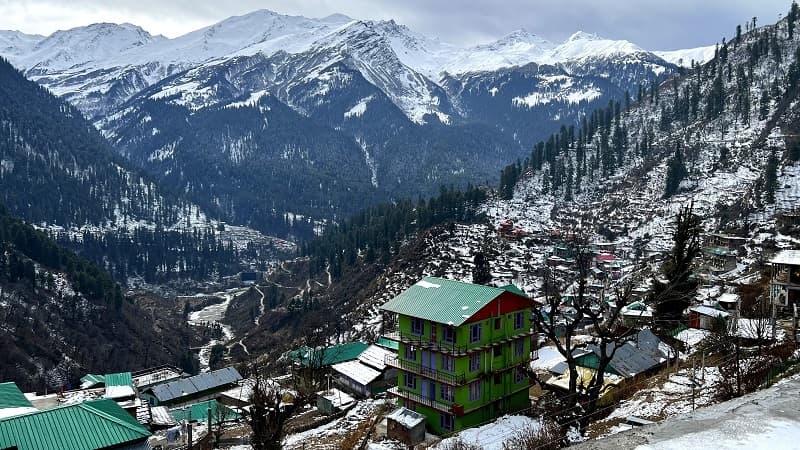
aroa village, located in the Mandi district, represents the heart of authentic Himachali rural life. This small hamlet, untouched by mass tourism, offers visitors a rare opportunity to experience traditional mountain culture in its most genuine form. With homestays in local families, participation in agricultural activities, traditional cuisine, and warm hospitality, Saroa embodies community-based tourism at its best. Here, tourism isn't about attractions – it's about connections, cultural exchange, and understanding a way of life that has sustained mountain communities for generations.
Village Life and Daily Rhythms
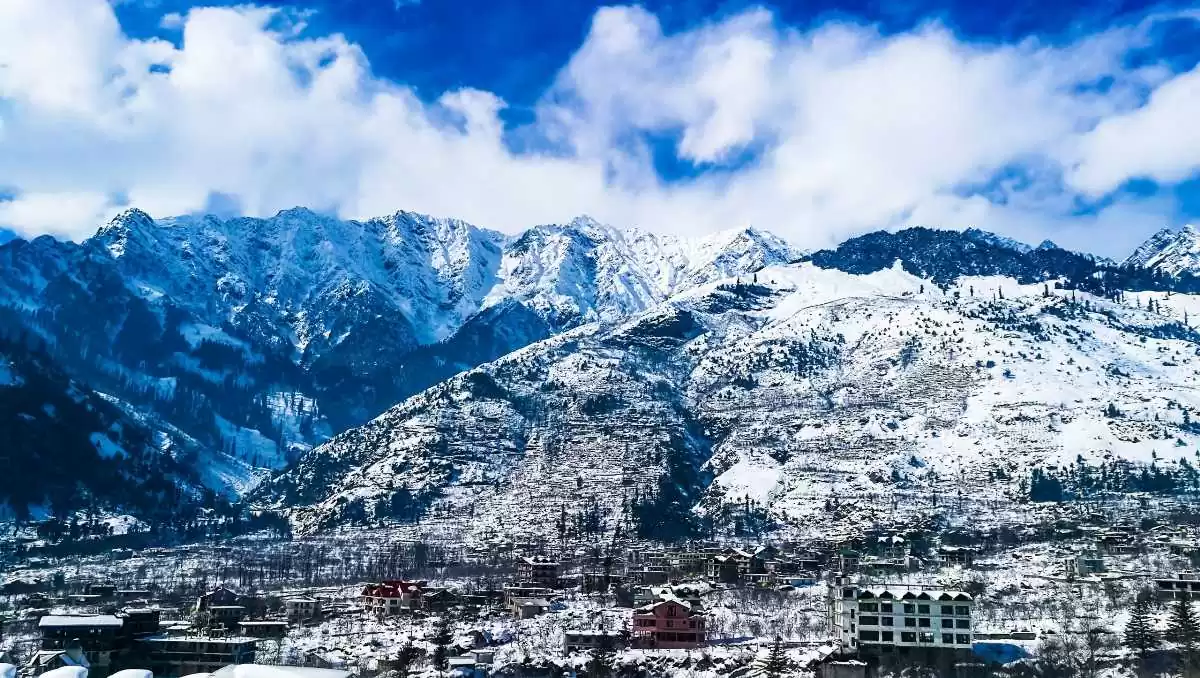
Life in Saroa follows natural rhythms dictated by seasons and sunlight. Days begin early with livestock being taken to pasture, women fetching water from the village spring, and farmers heading to their terraced fields. Agriculture remains the primary occupation – wheat, barley, maize, and vegetables grown on family plots. Apple and plum orchards provide cash income. During harvest season, the entire village participates in bringing in crops, demonstrating the communal spirit still strong here. Evenings see families gathered for meals, sharing stories, and preparing for the next day. This rhythm, unchanged for generations, offers visitors a window into sustainable, community-centered living.

Homestay Experience: Living with Locals
Homestays in Saroa offer authentic cultural immersion. You stay in traditional wooden houses with local families, sharing meals and daily life. Accommodations are basic – simple rooms, shared bathrooms, no Wi-Fi or TV – but the cultural richness compensates abundantly. Meals feature traditional Himachali cuisine cooked over wood fires – madra (chickpea curry), sidu (steamed bread), khatta (lentil curry), and seasonal vegetables from the family's fields. Hosts share local legends, teach traditional crafts, and treat guests as family members. This model ensures tourism income directly benefits villagers while preserving authentic culture.

Traditional Crafts and Cultural Activities
Saroa provides opportunities to learn traditional crafts still practiced by villagers. Women engage in wool spinning and weaving, creating warm shawls and blankets. Some households practice basket weaving using local materials. During your stay, you can participate in these activities, learning skills passed down through generations. Cultural evenings might feature folk songs and traditional dance forms. Visiting the village temple offers insights into local religious practices and festivals. If your visit coincides with festivals like Dussehra or local deity fairs, you'll witness vibrant celebrations that bring the entire community together.
Nature Walks and Surrounding Beauty
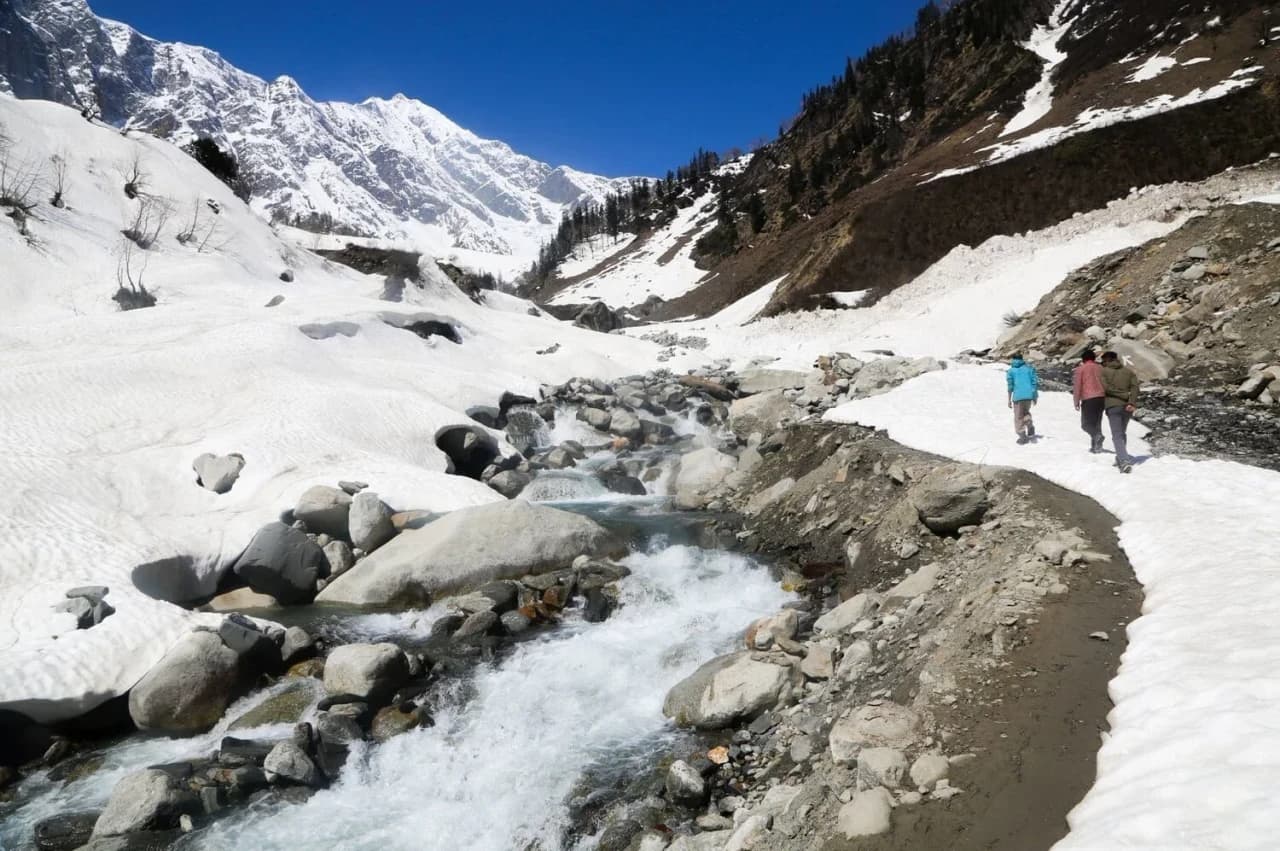
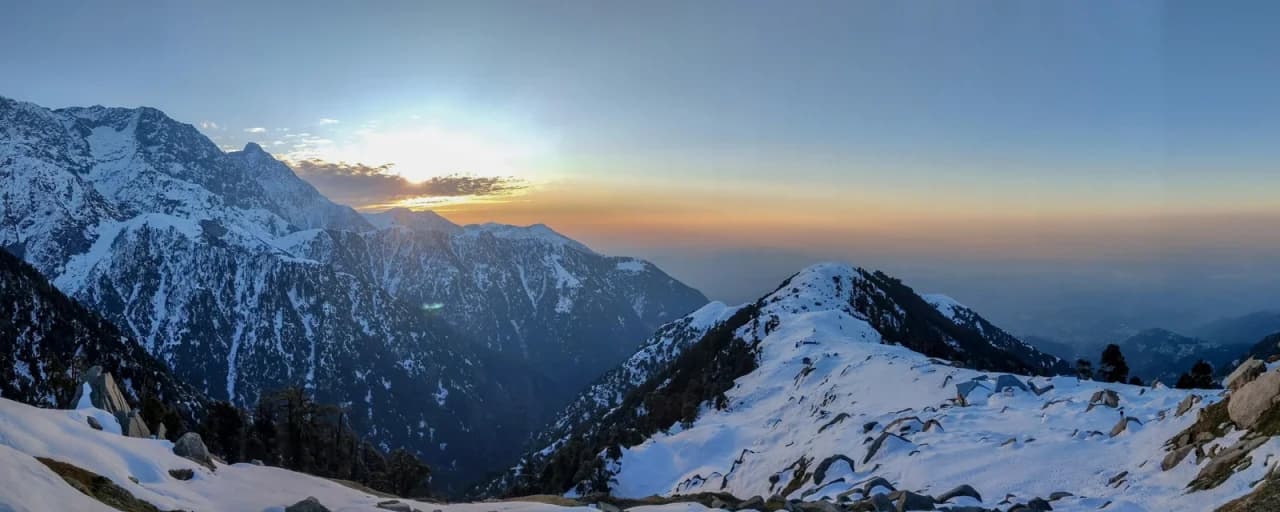
Saroa is surrounded by natural beauty perfect for gentle exploration. Short walks lead to viewpoints overlooking the valley and distant peaks. Forest trails wind through oak and pine groves where you might spot Himalayan birds and butterflies. Terraced fields create stunning visual patterns, especially during planting (April-May) when they're flooded, or harvest (September-October) when golden crops sway in mountain breeze. A perennial stream near the village offers peaceful spots for reflection. Unlike commercialized tourist destinations, nature here remains largely undisturbed, allowing for quiet contemplation and wildlife observation.
Sustainable Tourism and Community Impact
Saroa's homestay program exemplifies sustainable, community-based tourism. Income from guests is distributed among participating families, providing economic benefits without cultural disruption. Tourism has motivated youth to stay in the village rather than migrating to cities. Guests are educated about environmental conservation, traditional agricultural practices, and water management. The low-impact nature of this tourism maintains Saroa's authenticity – no large hotels, no commercialization, just genuine cultural exchange that benefits both visitors and hosts. By choosing Saroa, travelers support a model of tourism that preserves rather than exploits.
“
"In Saroa, you don't visit a destination – you join a family, share a life, and become part of a community. You leave not with photos of monuments but with memories of human connection."
— Village Tourism Coordinator, 2024
Key Takeaways
Practical Tips
Book homestays through official community tourism programs for authentic experience
Learn basic Hindi or Himachali phrases – shows respect and facilitates connection
Pack modest, practical clothing suitable for rural mountain life
Carry all cash needed – no ATMs or payment facilities in the village
Be flexible and patient – village life operates on different timelines
Participate in daily activities – farming, cooking, crafts – it enriches your stay
Respect local customs, especially regarding temples and religious practices
Try all local foods even if unfamiliar – it's part of the cultural experience
Bring small gifts for your host family – local sweets or useful items appreciated
Embrace the digital detox – minimal mobile network is an opportunity, not a problem
Share your culture too – exchange creates mutual understanding
Provide feedback to tourism coordinators to help improve the program
12 tips to help you on your journey
Saroa offers what modern travelers increasingly crave but rarely find – authentic human connection, meaningful cultural exchange, and the opportunity to slow down and live simply. In a world of over-tourism and manufactured experiences, this small village near Mandi provides something real. Whether you stay for a weekend or a week, Saroa will teach you that the best travel experiences don't come from five-star hotels and famous monuments, but from shared meals, genuine conversations, and the warmth of people who open their homes and hearts to strangers who leave as friends.
Sneha Iyer
AuthorCommunity-based tourism advocate and rural development researcher. Follow along for more travel stories, photography tips, and destination guides from around the world.