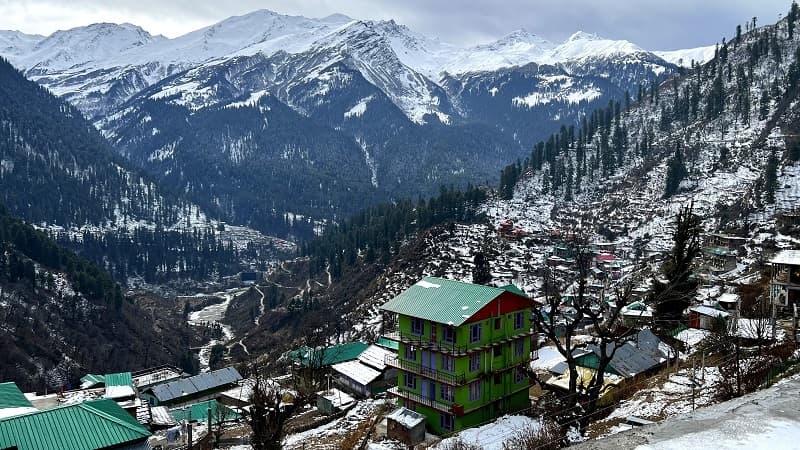
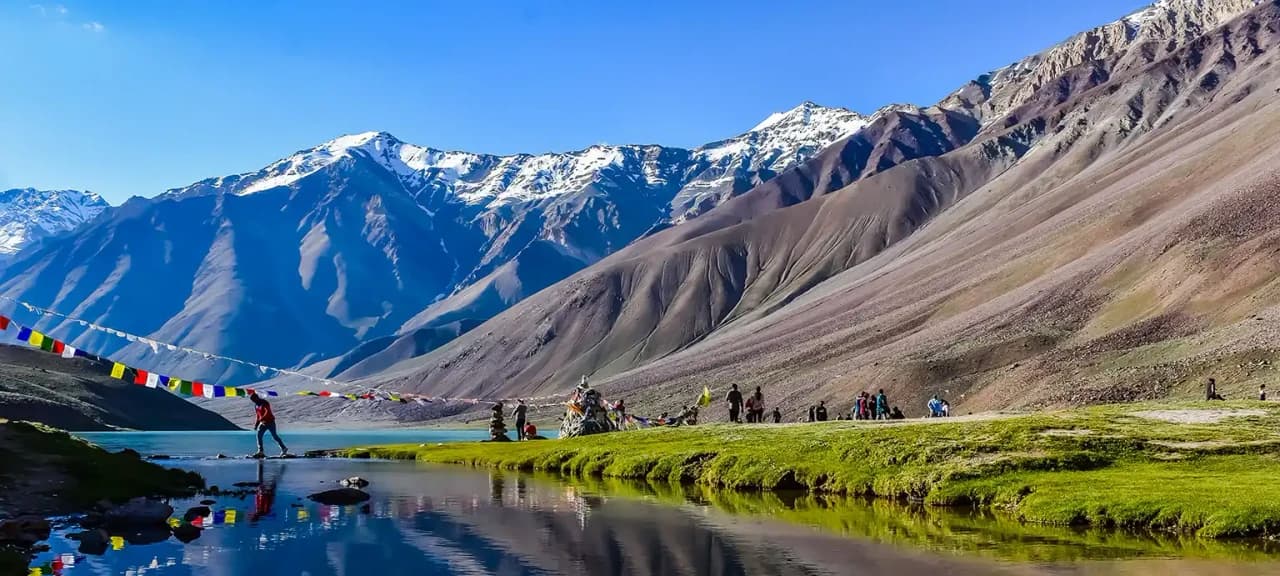
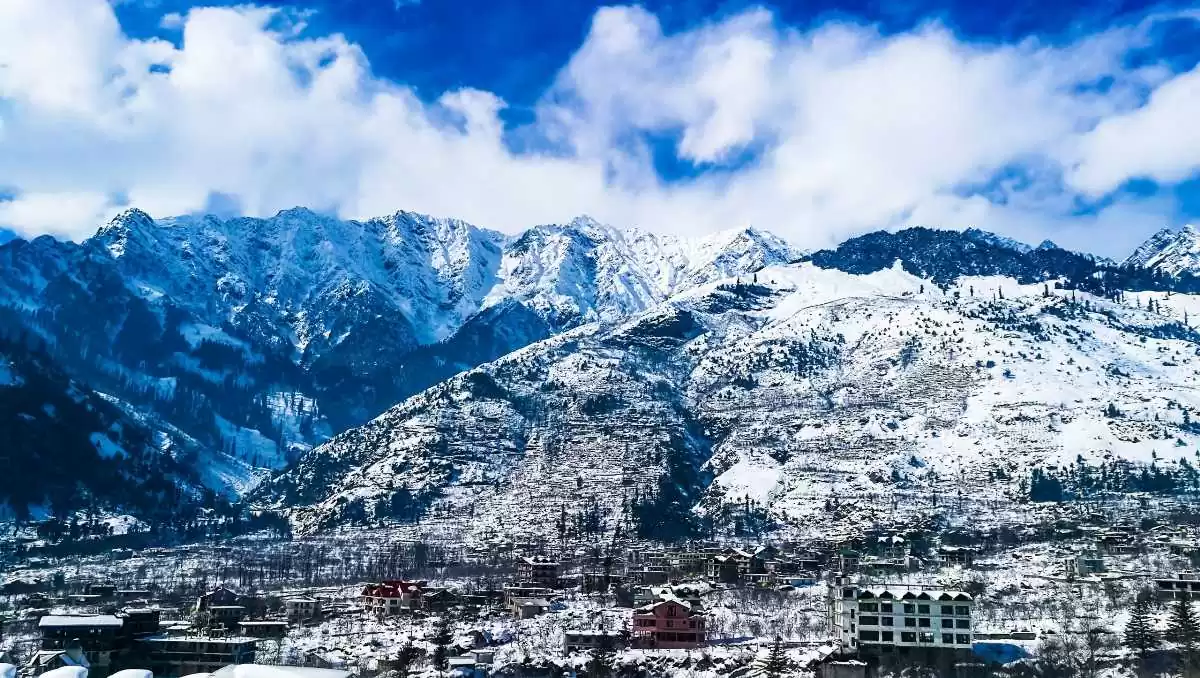
erched on a serene hillside overlooking the Parvati Valley, Sarabhai Gompa (also called Sherab Chhoeling Gompa) is a hidden gem of Tibetan Buddhist culture in Himachal Pradesh. Located near Kasol, this monastery serves as a sanctuary of peace where colorful prayer flags dance in mountain winds, prayer wheels spin continuously, and the chanting of monks creates an atmosphere of profound tranquility. Built by Tibetan refugees who settled in the valley, Sarabhai Gompa represents not just religious devotion but also resilience and cultural preservation. For travelers seeking spiritual solace amidst stunning natural beauty, this monastery offers an authentic experience away from tourist crowds.
Reaching Sarabhai Gompa
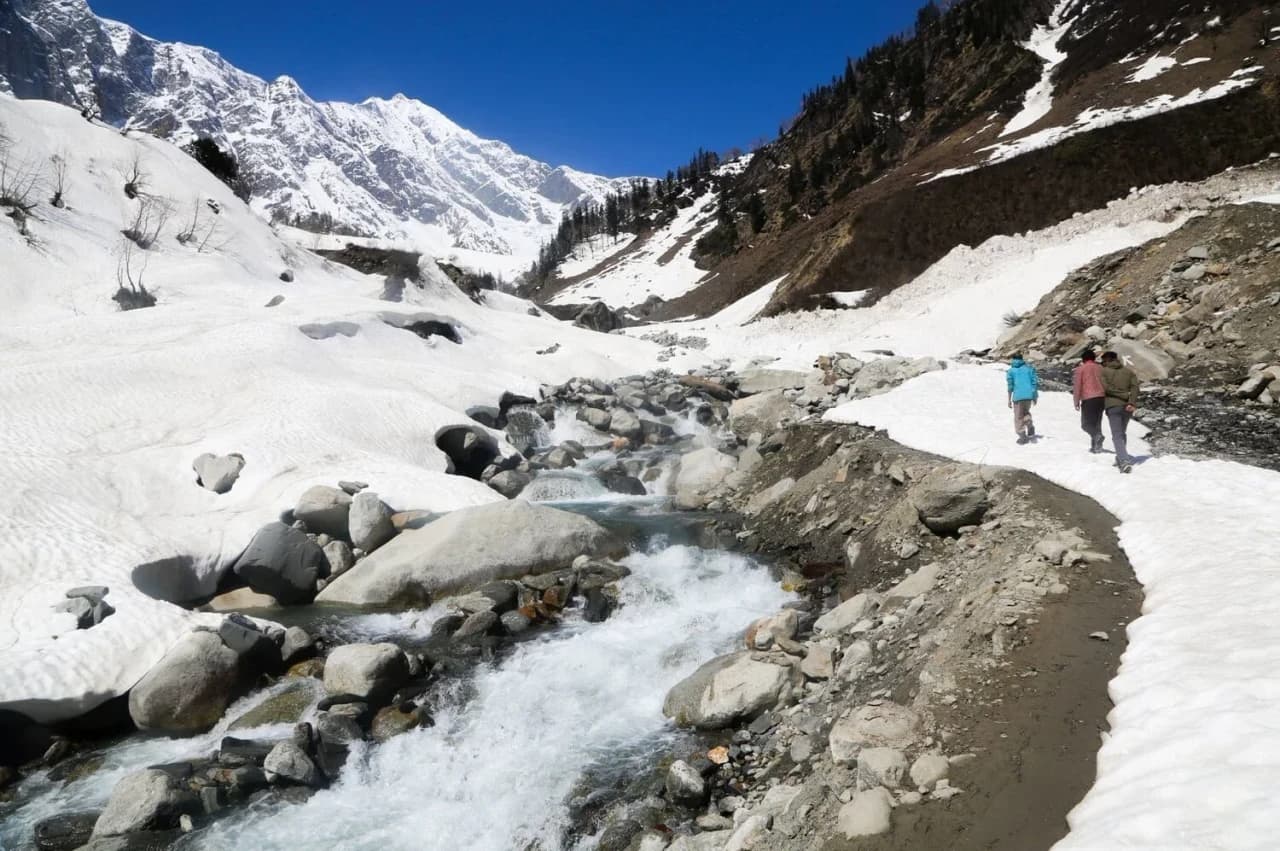
The monastery is located approximately 4 kilometers from Kasol, accessible via a scenic trek through deodar forests and apple orchards. Starting from Kasol, cross the bridge over Parvati river and follow the trail uphill through Chalal village. The 1-2 hour trek is moderately easy, rewarding you with panoramic valley views. Alternatively, you can take a taxi to Chalal and trek the remaining distance. The journey itself is meditative – birdsong, rustling leaves, and the distant sound of temple bells create a natural symphony that prepares your mind for the peace awaiting at the monastery.
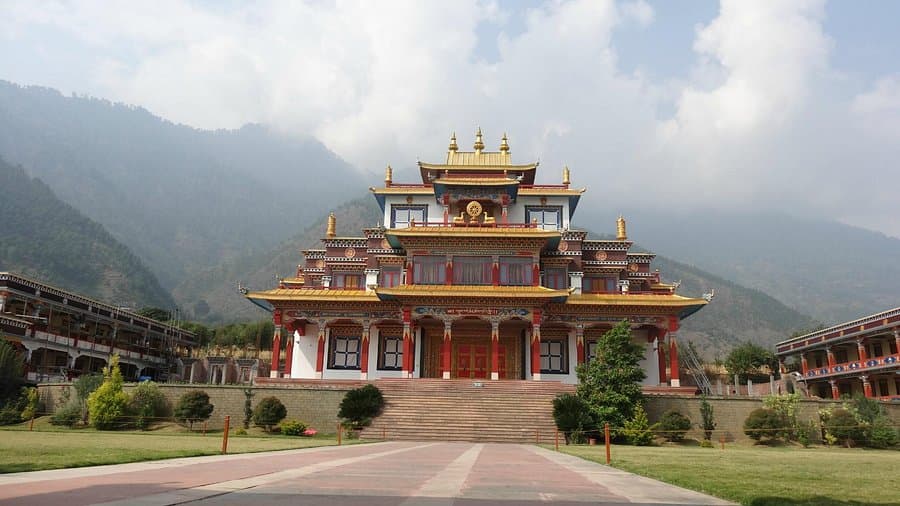
Architecture and Sacred Spaces
Sarabhai Gompa showcases traditional Tibetan Buddhist architecture with vibrant colors, intricate murals, and symbolic designs. The main prayer hall houses beautiful statues of Buddha, Guru Rinpoche, and other deities, surrounded by Thangka paintings depicting Buddhist teachings. Prayer wheels line the monastery's periphery, each spin believed to generate merit equivalent to reciting the enclosed mantras. Colorful prayer flags strung across the complex carry prayers and blessings on the wind. The monastery's simple yet profound beauty reflects the Buddhist philosophy of finding richness in simplicity.
Daily Life and Meditation
Resident monks maintain a disciplined routine of prayers, meditation, and studies. Morning prayers begin at dawn with the deep sound of conch shells and horns echoing across the valley. Visitors are welcome to participate in prayer sessions, though respectful silence is expected. The monastery often hosts meditation sessions where monks guide practitioners in basic techniques. The peaceful ambiance, combined with mountain air and natural silence, creates perfect conditions for meditation even for beginners. Many travelers report experiencing deep relaxation and mental clarity during their time here.
Cultural Events and Festivals
Sarabhai Gompa comes alive during Buddhist festivals, particularly Losar (Tibetan New Year) and Buddha Purnima. Monks perform traditional Cham dances wearing elaborate masks and costumes, depicting the victory of good over evil. The monastery serves butter tea and traditional Tibetan food to visitors during these celebrations. Cultural programs include spiritual discourses, traditional music performances, and prayer ceremonies that last for hours. These festivals offer rare glimpses into authentic Tibetan Buddhist traditions preserved in the Himalayas, making timing your visit during these events truly special.
Learning and Volunteering
The monastery welcomes those interested in learning about Buddhism, Tibetan culture, and meditation practices. Informal sessions with monks can be arranged for discussions on philosophy, mindfulness, and spiritual practices. Some travelers volunteer for monastery maintenance, teaching English to young monks, or helping in the community kitchen. These interactions provide deeper cultural immersion and create meaningful connections. The monastery also has a small library with Buddhist texts and teachings available for study. Such experiences transform a simple visit into a journey of personal growth.
“
"At Sarabhai Gompa, you don't just observe peace – you become it. The mountains hold you, the prayers cleanse you, and the silence speaks to your soul."
— A Meditation Practitioner, 2024
Key Takeaways
Practical Tips
Dress modestly – cover shoulders and legs as a sign of respect
Remove shoes before entering prayer halls and sacred spaces
Ask permission before taking photographs, especially of monks
Maintain silence within monastery premises
Walk clockwise around stupas and prayer wheels following Buddhist custom
Make a small donation to support monastery upkeep and monk welfare
Avoid visiting during meal and prayer times (early morning and evening)
Carry water and snacks – no shops available at the monastery
Spend at least 2-3 hours to fully experience the peaceful atmosphere
Combine with a visit to Chalal village for a complete cultural experience
10 tips to help you on your journey
Sarabhai Gompa offers something increasingly rare in our busy world – genuine peace and spiritual authenticity. Whether you're deeply interested in Buddhism or simply seeking a tranquil space to reflect, this monastery welcomes all with warmth and grace. The combination of natural beauty, spiritual energy, and cultural richness makes it a must-visit destination in Parvati Valley. As you descend back towards Kasol after your visit, you carry with you not just photographs but a renewed sense of calm, a deeper appreciation for simplicity, and perhaps a few answers to questions you didn't even know you were asking.
Pankaj Kumar Meena
AuthorCultural explorer documenting spiritual heritage of Himalayan monasteries. Follow along for more travel stories, photography tips, and destination guides from around the world.