aghupur Fort, perched on a hilltop overlooking the Mandi valley, stands as a weathered reminder of the region's royal past. Built centuries ago by the rulers of Mandi state, this fort once served as a strategic military outpost and administrative center. Today, though largely in ruins, Raghupur Fort attracts history enthusiasts, trekkers, and photographers who come to explore its crumbling walls, imagine its glorious past, and enjoy spectacular valley views. The trek to the fort combines historical exploration with natural beauty, making it a rewarding experience for those interested in Himachal's lesser-known heritage.
Historical Significance and Royal Legacy
Raghupur Fort was constructed during the medieval period when Mandi was ruled by Sen dynasty kings. The fort served multiple purposes – military defense against invasions, administrative center for surrounding areas, and royal retreat. Historical records mention it in accounts of regional conflicts and alliances. The fort's strategic location allowed monitoring of trade routes and valley approaches. Though much of its history has faded with time and lack of documentation, local oral traditions preserve stories of battles, royal hunts, and the daily life of soldiers and courtiers who once inhabited these now-silent walls.

Architectural Features and Ruins
Despite deterioration, Raghupur Fort's architectural elements still impress. The outer fortification walls, built from local stone, demonstrate impressive masonry skills. Bastions at strategic points provided defensive advantages. Inside, you can identify remains of residential quarters, storage rooms, and what was likely the main palace structure. Stone carvings, though weathered, hint at the fort's past grandeur. A small temple within the fort compound shows religious practices of the period. The construction techniques – massive stone blocks fitted without mortar, drainage systems still partially visible – reveal sophisticated engineering knowledge. Conservation efforts are minimal, making visits feel like archaeological exploration.

The Trek: Journey Through Time
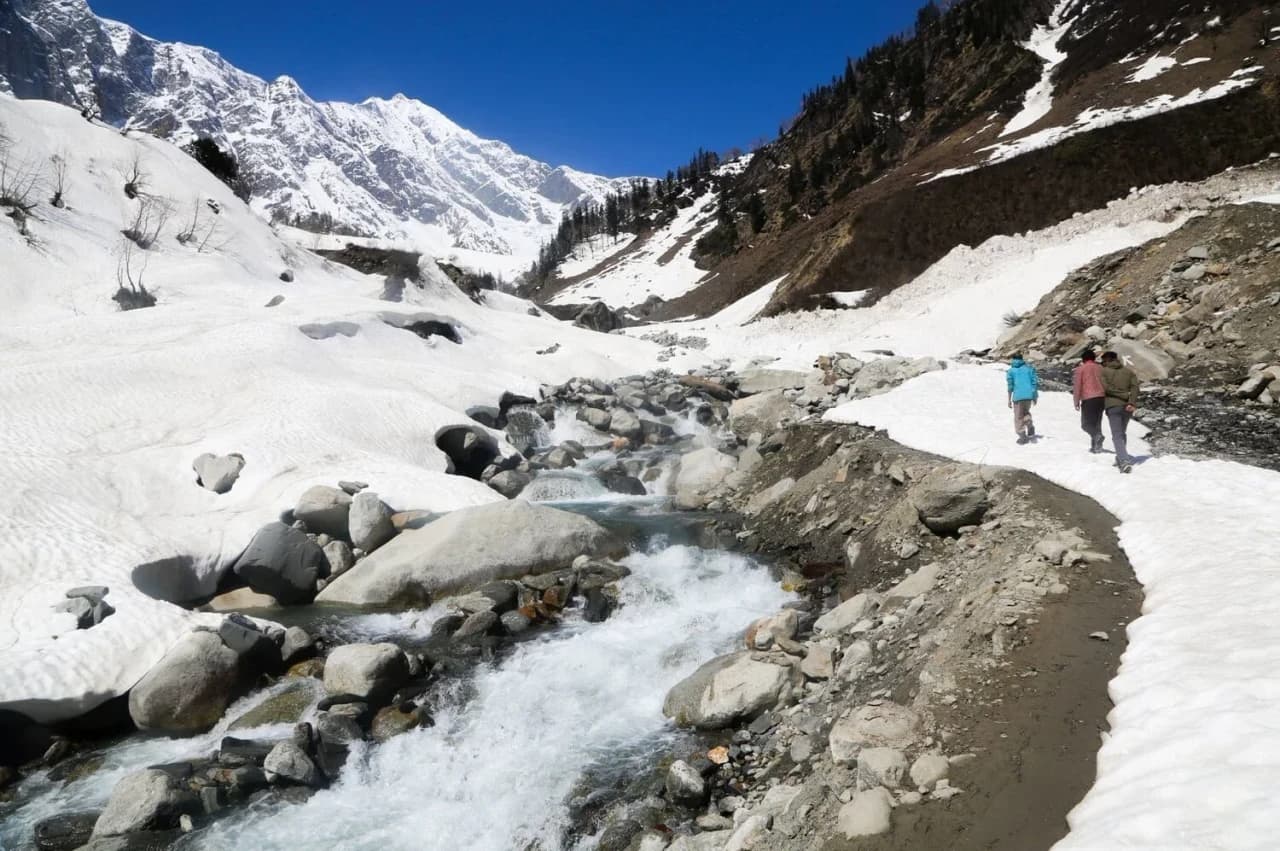
The trek to Raghupur Fort begins from a village accessible from Mandi, covering approximately 3-4 kilometers. The trail winds uphill through mixed forests and occasionally passes old stone steps suggesting this was once a well-traveled path. The moderate trek takes 1.5-2 hours, with the gradient becoming steeper near the fort. Along the way, you might notice other historical remnants – old wells, boundary markers, or remnant structures from the fort's peripheral defenses. The final approach reveals the fort dramatically positioned on the hilltop, its silhouette against the sky evoking images of its powerful past.
Panoramic Views and Photography
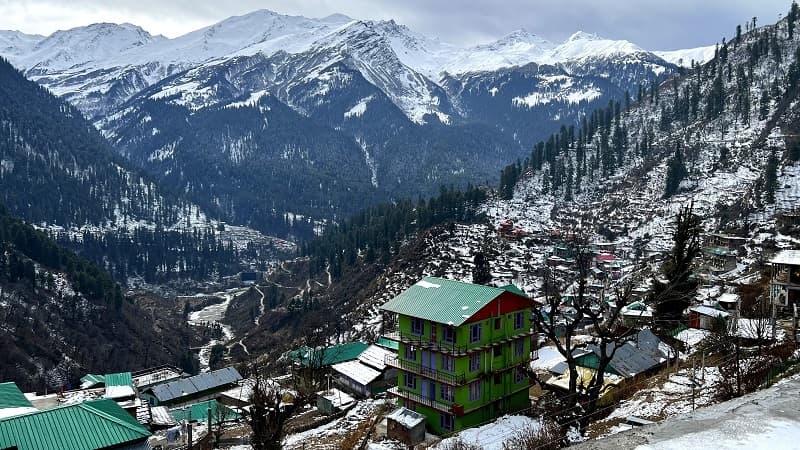
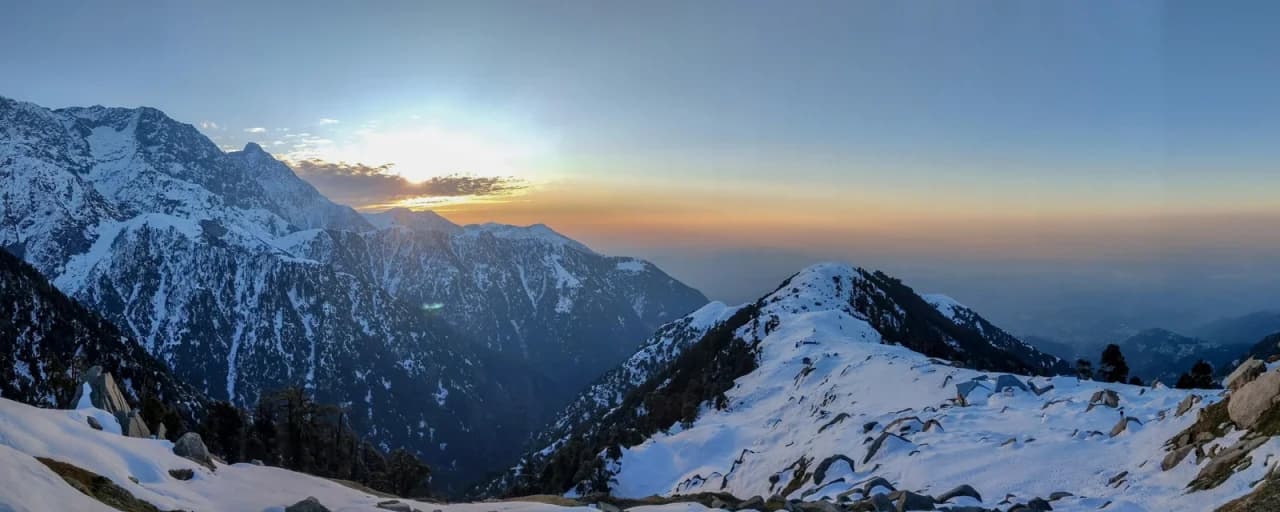
From Raghupur Fort, the views are extraordinary. The Mandi valley spreads below with the Beas River threading through. Surrounding mountains create a dramatic backdrop, with peaks visible in multiple directions. The elevated position provides perspectives you can't get from valley floor. Photography opportunities are excellent – ruins against mountain backdrops, valley panoramas from fort walls, architectural details with dramatic light and shadow. Sunrise and sunset times are particularly magical when golden light illuminates the valley and ruins. The fort's romantic decay makes it popular with photographers seeking atmospheric shots.
Conservation Challenges and Visitor Responsibility
Raghupur Fort faces typical challenges of neglected historical sites – weathering, vegetation overgrowth, and stone collapse. Unlike maintained monuments, there's no ticketing, guides, or signage. While this adds to the exploratory feel, it also means visitors bear responsibility for preservation. Don't remove stones or artifacts, avoid climbing unstable structures, and don't litter. The fort's obscurity is both blessing and curse – it remains peaceful but lacks funding for conservation. Heritage-conscious visitors can contribute by respecting the site, sharing information about its significance, and supporting heritage conservation initiatives.
“
"Raghupur Fort doesn't speak in maintained plaques and tourist guides. It whispers through weathered stones and mountain winds, telling stories only to those willing to listen with imagination."
— Heritage Enthusiast, 2024
Key Takeaways
Practical Tips
Wear sturdy shoes with good grip – terrain around ruins can be uneven
Bring water and snacks – no facilities at the fort
Start early morning for best light and to avoid midday heat
Hire a local guide familiar with fort history and safe areas to explore
Photography enthusiasts should bring tripod for landscape shots
Be cautious around unstable structures – some walls may be unsafe
Carry first-aid kit – you're in a remote area with limited immediate help
Respect the historical site – don't remove stones or carve on walls
Inform someone about your trek plans and expected return
Visit during dry season (October-June) – monsoon makes trails slippery
Consider combining with other Mandi heritage sites for complete historical experience
Support heritage conservation efforts if you encounter any initiatives
12 tips to help you on your journey
Raghupur Fort represents the kind of historical site that appeals to true heritage enthusiasts – not pristinely restored monuments with facilities, but authentic ruins that require imagination and appreciation for what once was. The trek to this forgotten fort near Mandi offers both physical and mental rewards – the exercise of the hike, the intellectual stimulation of historical exploration, and the visual pleasure of stunning valley views. In visiting and respecting such sites, travelers contribute to preserving collective memory of Himachal's rich historical tapestry, ensuring these weathered stones continue telling their stories to future generations.
Neha Gupta
AuthorHeritage archaeologist and historical site preservation specialist. Follow along for more travel stories, photography tips, and destination guides from around the world.