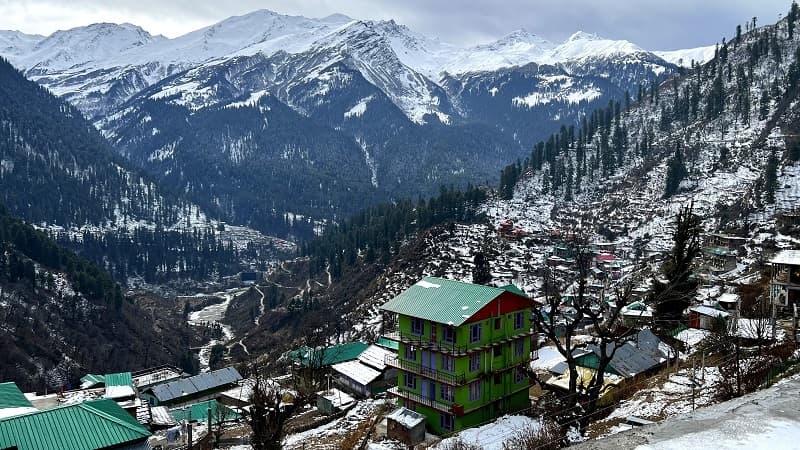
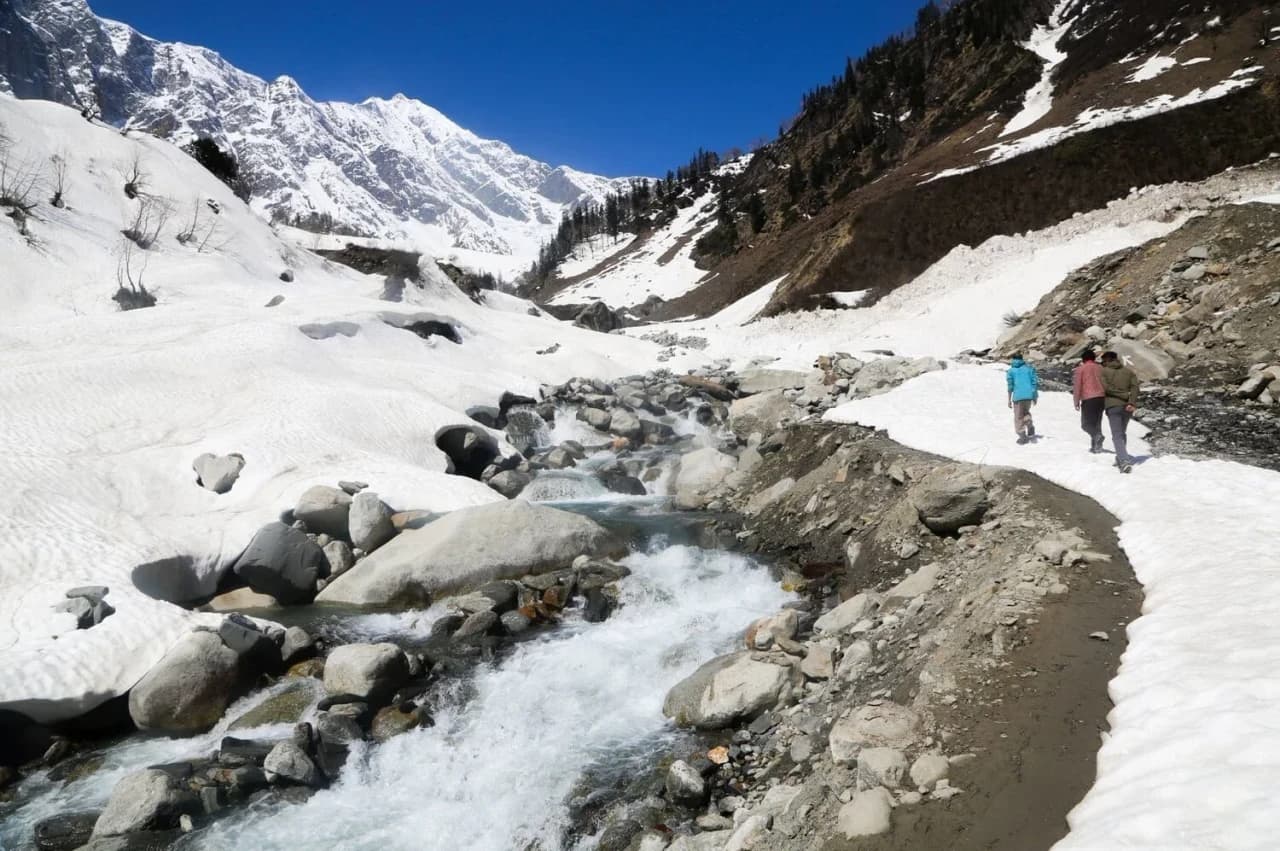
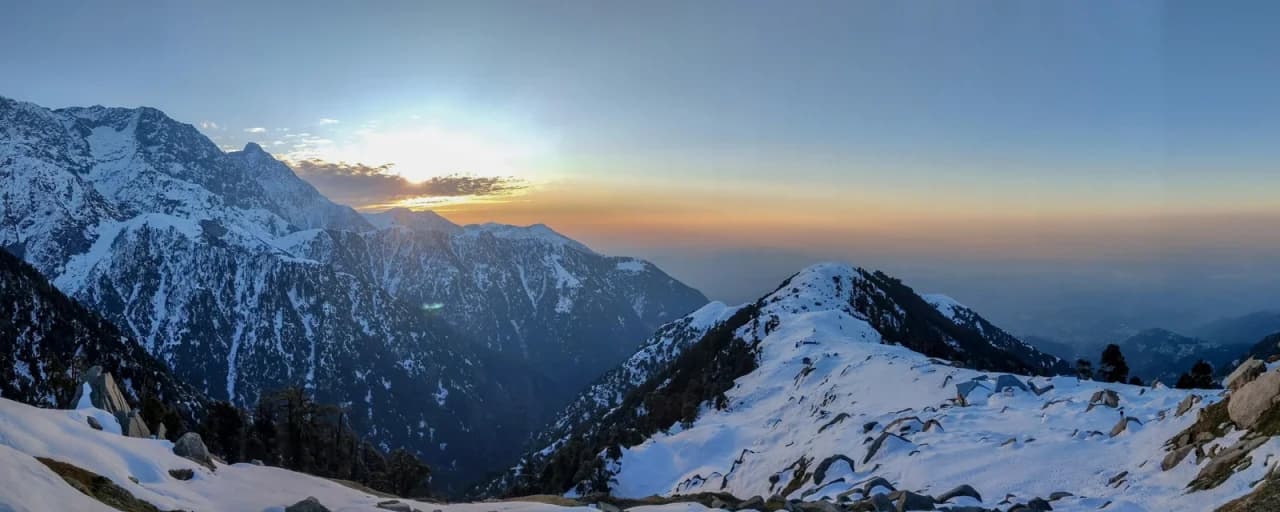
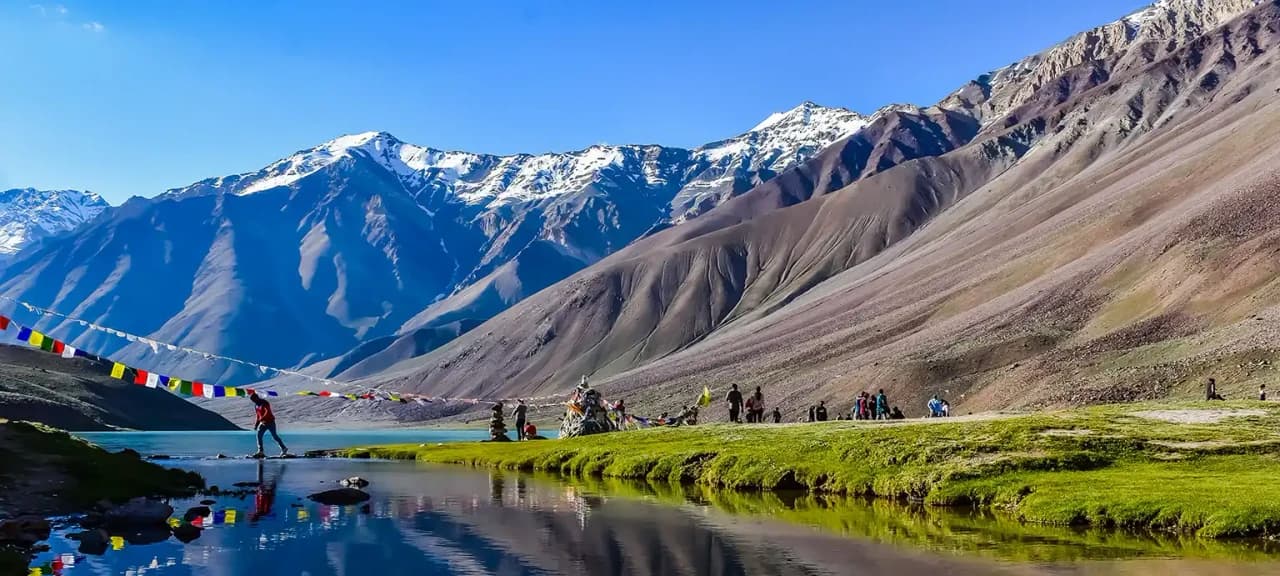
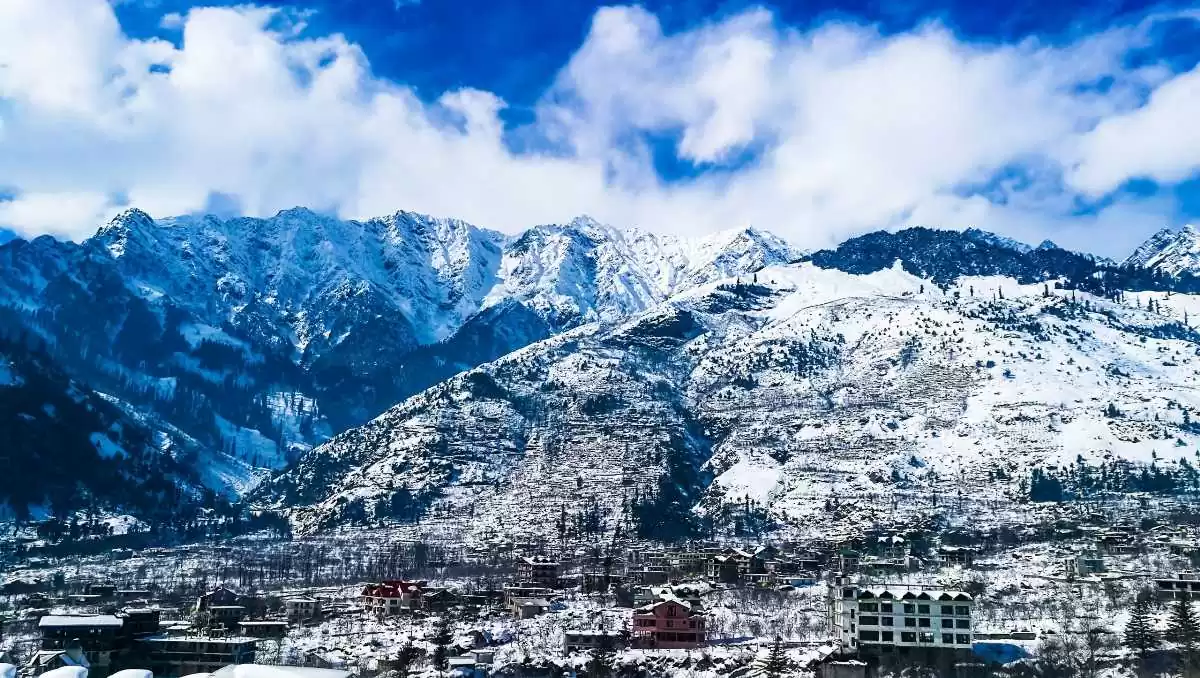
piti Valley, whose name translates to 'The Middle Land,' sits nestled between India and Tibet at an average altitude of 3,800 meters (12,500 feet) in the remote trans-Himalayan region of Himachal Pradesh. This cold desert valley, carved over millennia by the Spiti River, is one of the world's most dramatic and isolated landscapes — a place where ancient Buddhist monasteries perch on impossible cliffs, fossil-rich mountains reveal secrets of a prehistoric seabed, and villages of flat-roofed mud homes look unchanged from centuries past. With barely 10 centimeters of annual rainfall, air so thin that headaches greet newcomers, and roads that close under snow for six months each year, Spiti is not merely a destination — it is an endurance test, a spiritual pilgrimage, and a geography lesson unlike anything else on earth. Those who make the journey return transformed, carrying memories of a land where the sky is impossibly blue, the mountains glow orange at dusk, monks blow conch shells at dawn, and silence has a texture you can feel against your skin. Spiti is India's last true frontier, and every kilometer of its rough roads is worth every bump.
How to Reach Spiti: Two Epic Routes
Reaching Spiti is itself half the adventure. Two routes connect this remote valley to the outside world, each spectacular in its own way. The Manali–Rohtang–Kunzum route (approximately 200 km from Manali) is the more dramatic path, crossing Rohtang Pass (3,978m) and the legendary Kunzum Pass (4,590m), one of India's highest motorable passes. This route is open only from June to early October when snow melts sufficiently. The road is unpaved for long stretches, often reduced to a single lane hugging cliff edges with thousand-foot drops, making it simultaneously terrifying and exhilarating. The alternative Shimla–Kinnaur–Spiti route via Hindustan-Tibet Highway is longer (approximately 420 km) but accessible for more months. This route winds along the Sutlej River through the Kinnaur district's apple orchards, narrow gorges, and hanging villages before entering Spiti through Sumdo. Both routes offer extraordinary scenery, though many travelers choose to enter via one and exit via the other for maximum variety. Internal combustion aside, motorcycles and SUVs are the preferred modes — Spiti has broken many ordinary cars and humbled overconfident drivers.

Key Destinations Within Spiti Valley
Kaza serves as Spiti's administrative headquarters and the valley's largest town — a relative term, since it has a population of only a few thousand. From Kaza, all major attractions radiate outward. Key Monastery, founded in the 11th century at 4,166 meters on a hilltop above Kaza, is the valley's most iconic monastery and the largest in Spiti, housing over 300 monks and priceless ancient scriptures. Kibber Village, once claimed to be the world's highest inhabited village connected by road, sits at 4,205 meters and is a base for trekking to Gete, Chicham, and Pin Valley. Dhankar Monastery, precariously balanced on a rocky promontory overlooking the confluence of Spiti and Pin rivers, appears to defy gravity — an ancient fortress-monastery that seems to grow directly from the cliff. Pin Valley National Park protects rare wildlife including Snow Leopards, Siberian Ibex, and Red Foxes. The fossils of Langza village, where villagers have been finding marine fossils in their fields — proof that the Himalayas were once an ocean floor — offer one of Spiti's most mind-bending experiences. Komik, among the world's highest villages with a motor road, rewards those who make the bumpy ascent with surreal views and the charming Tangyud Monastery.

Buddhist Culture and Monastery Life
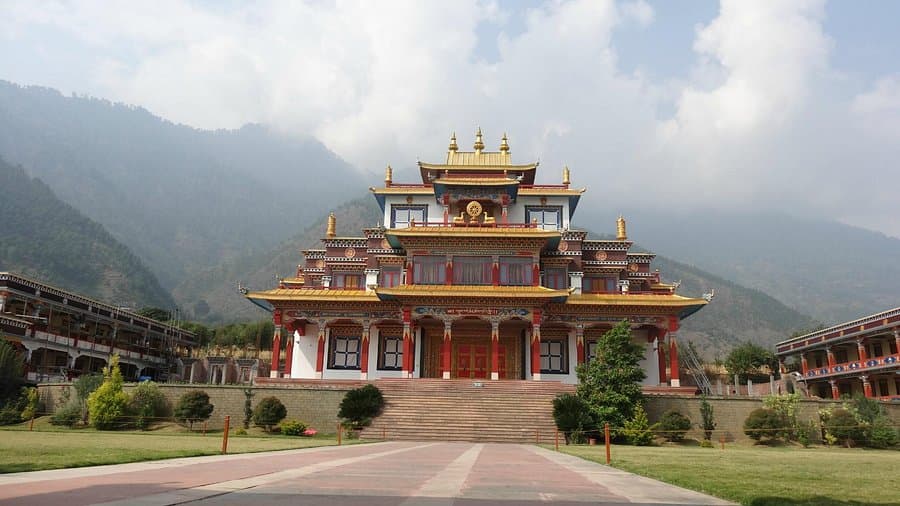
Spiti's most defining feature is its living Tibetan Buddhist culture, preserved here with extraordinary authenticity due to the valley's isolation. Approximately 95% of Spiti's population follows Tibetan Buddhism, and the monasteries aren't museum pieces — they are functioning centers of learning, prayer, and community life. Waking at dawn to the sound of conch shells and drums from a nearby monastery, watching crimson-robed monks file into prayer halls where butter lamps have burned for centuries, and participating in puja ceremonies creates experiences that stay with visitors forever. The Losar festival (Tibetan New Year, usually in February) transforms monasteries with elaborate Cham dances where masked monks represent deities defeating demons. Tabo Monastery, often called the 'Ajanta of the Himalayas,' contains murals and stucco sculptures dating to 996 CE, making it one of the oldest continuously operating monasteries in the world. The late Dalai Lama designated Tabo as the site where he wished to retire, underscoring its profound spiritual significance. Visitors are warmly welcomed into monastery prayer sessions, though respectful silence, clockwise movement, and removal of shoes are expected. Purchasing monastery-made incense, thangka paintings, and prayer items directly supports these ancient institutions.
Adventure Activities and Trekking
For adventure seekers, Spiti offers some of India's most demanding and rewarding experiences. The Pin-Parvati Pass trek (6,632m) crosses from Spiti's Pin Valley to Himachal's Kullu Valley over one of India's highest trekking passes — an extreme route for experienced mountaineers only. The Spiti Circuit trek connects multiple villages, valleys, and passes over 7-14 days depending on the route chosen. Mountain biking the Manali-Spiti-Kinnaur circuit on unpaved roads has become increasingly popular among adventure cyclists who relish the extreme altitude, rough terrain, and total isolation. River rafting on the Spiti River near Kaza offers Class III-IV rapids through dramatic canyon scenery. Fossil hunting in Langza and Komic's fields — where ammonite and brachiopod fossils from the ancient Tethys Sea lie scattered on mountain slopes — provides one of India's most unique geological experiences. Stargazing in Spiti, with virtually zero light pollution and clear cold air at high altitude, reveals the universe in breathtaking clarity — the Milky Way is not just visible but seems to fill the entire sky, with the Andromeda galaxy visible to the naked eye on clear nights.
Best Time to Visit and Essential Tips
The Manali route to Spiti opens approximately June 1 and closes around October 15, depending on snowfall. This summer window is the peak tourist season, with July and August seeing maximum visitors. For those who prefer fewer crowds, early June (roads just opened, some snow patches remaining) or September-early October (crystal-clear air, harvest season, golden landscapes) are ideal. The Kinnaur route remains open longer — typically April through November — making it accessible for those visiting in shoulder seasons. Winter in Spiti (November to May) is reserved for extremely hardy travelers and locals; temperatures plunge to -30°C, roads close, electricity is intermittent, and supplies become scarce. However, those who experience Spiti in winter describe a beauty and silence that summer visitors never witness — frozen rivers, snow-covered monasteries, and a stillness so profound it borders on sacred. Acclimatization is non-negotiable in Spiti; spending at least one night in Kaza before visiting higher villages (Komik, Kibber) prevents Acute Mountain Sickness, which affects many unprepared visitors.
Local Life, Food, and Sustainable Tourism
Spiti's approximately 12,000 residents have adapted over centuries to one of earth's harshest inhabited environments. Traditional Spitian homes are built from sun-dried mud bricks with flat roofs designed for maximum solar heat gain and minimal snow load. Each home has a prayer room, and the gompa (monastery) serves as the community's social and spiritual center. Agriculture in Spiti is limited by extreme altitude — peas, barley, potatoes, and mustard are the main crops, grown in the short summer window. Homestays across the valley offer authentic accommodation where families share their homes, meals, and stories. Traditional cuisine features tsampa (roasted barley flour porridge), thukpa (noodle soup), momos (dumplings), butter tea (po cha), and locally brewed chang (barley beer). The Spiti Ecosphere organization has pioneered sustainable tourism models ensuring tourism income benefits local families while minimizing environmental impact — booking through such organizations is strongly recommended. Carry reusable water bottles (many guesthouses provide filtered water), minimize plastic use, and be mindful that Spiti's fragile ecosystem and limited waste management capacity make responsible tourism a moral obligation rather than a mere suggestion.
“
"Spiti doesn't welcome everyone — it tests you first. Only those who respect the altitude, the silence, and the ancient wisdom embedded in every rock and monastery truly belong here, even briefly."
— Veteran Himalayan Explorer, 2024
Key Takeaways
Practical Tips
Acclimatize for at least one night in Kaza before venturing to higher villages
Carry sufficient cash — ATMs exist in Kaza but often run out of money
Book homestays and guesthouses in advance for July-August peak season
Hire local drivers familiar with mountain roads — don't self-drive if inexperienced
Carry cold-weather gear even in summer — temperatures drop to 5°C at night
Carry prescription medicines and a comprehensive first-aid kit
Obtain Inner Line Permit for Pin Valley National Park from SDM Kaza
Respect photography restrictions inside monastery prayer halls
Purchase supplies (instant noodles, snacks, medicines) in Shimla or Manali before entering
Mobile connectivity is limited — BSNL works in some areas, others have none
Stay hydrated — drink 3-4 liters of water daily to combat altitude effects
Allow complete flexibility in itinerary — road conditions and weather are unpredictable
Support local homestays and monastery-made products over commercial operators
Walk clockwise around monasteries, stupas, and prayer wheels
14 tips to help you on your journey
Spiti Valley is not a destination you simply visit — it is a landscape that inhabits you long after you leave. The ancient monasteries continue their centuries-old prayers; the mountains, painted in impossible shades of ochre and grey, stand eternally indifferent to the stream of humans who come seeking their secrets; the monks maintain their devotion; and the stars wheel overhead as they have since before human memory. Every traveler who endures the rough roads, the altitude headaches, the cold nights, and the basic facilities returns fundamentally changed — with a recalibrated sense of scale, a refreshed appreciation for simplicity, and a deep humility instilled by standing in landscapes that dwarf human ambition. Spiti reminds us that the universe is vast and ancient, that we are brief guests on this earth, and that beauty in its rawest, most unmediated form — without filters, without tour guides, without Instagram — is still abundantly available to those willing to seek it on roads less traveled. Go to Spiti, not because it is comfortable, but precisely because it isn't.
Pankaj Kumar Meena
AuthorMountain explorer and high-altitude travel specialist with extensive experience in trans-Himalayan regions. Follow along for more travel stories, photography tips, and destination guides from around the world.