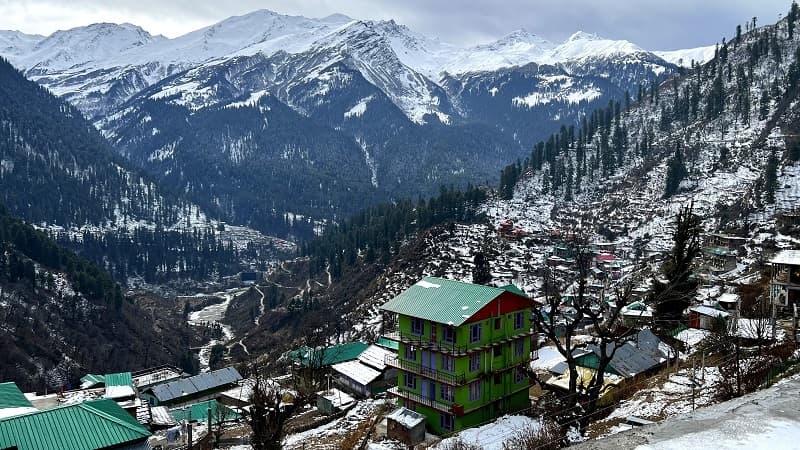
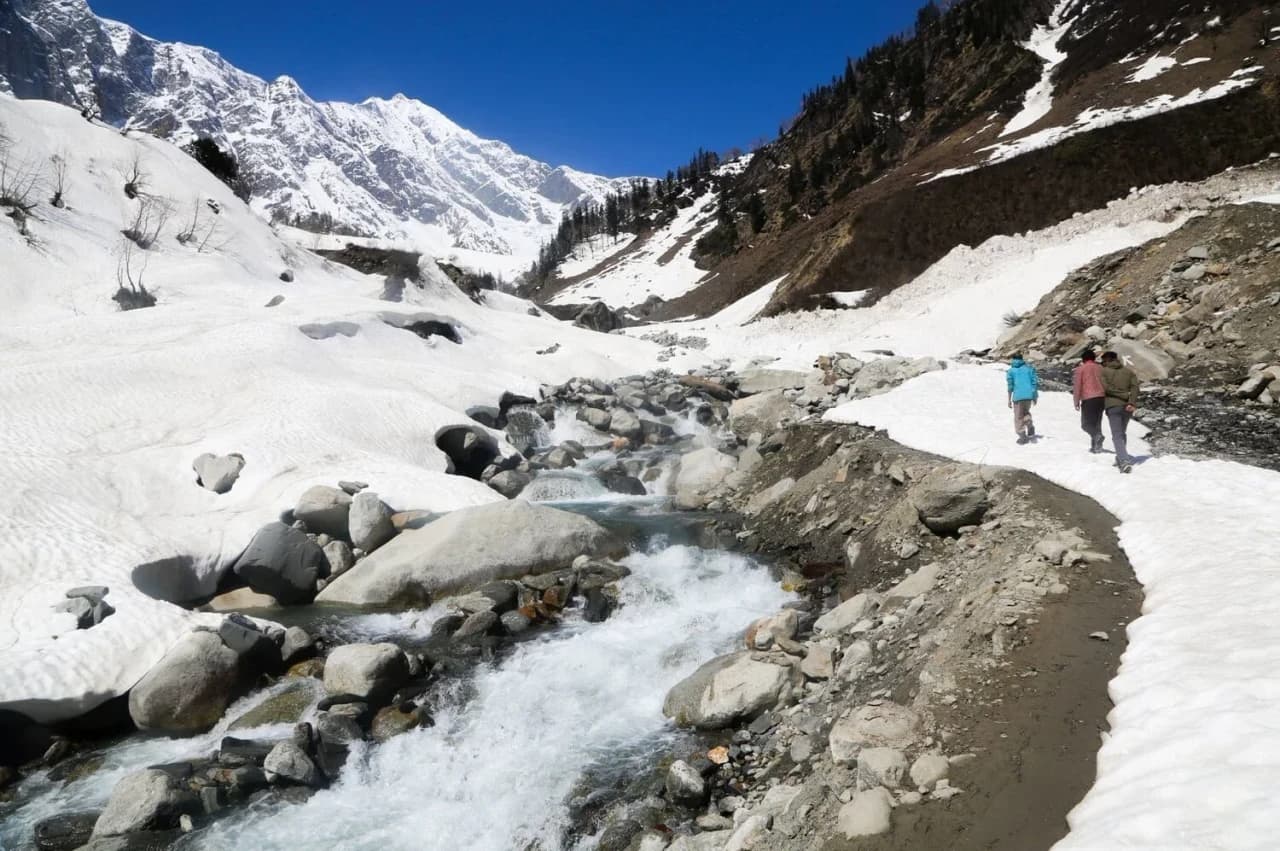
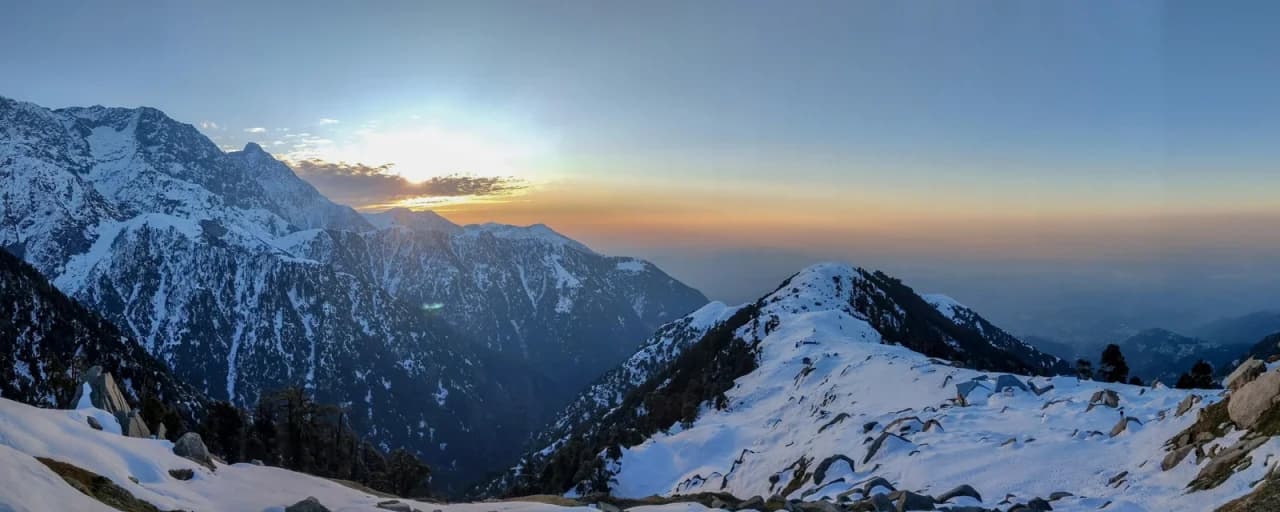
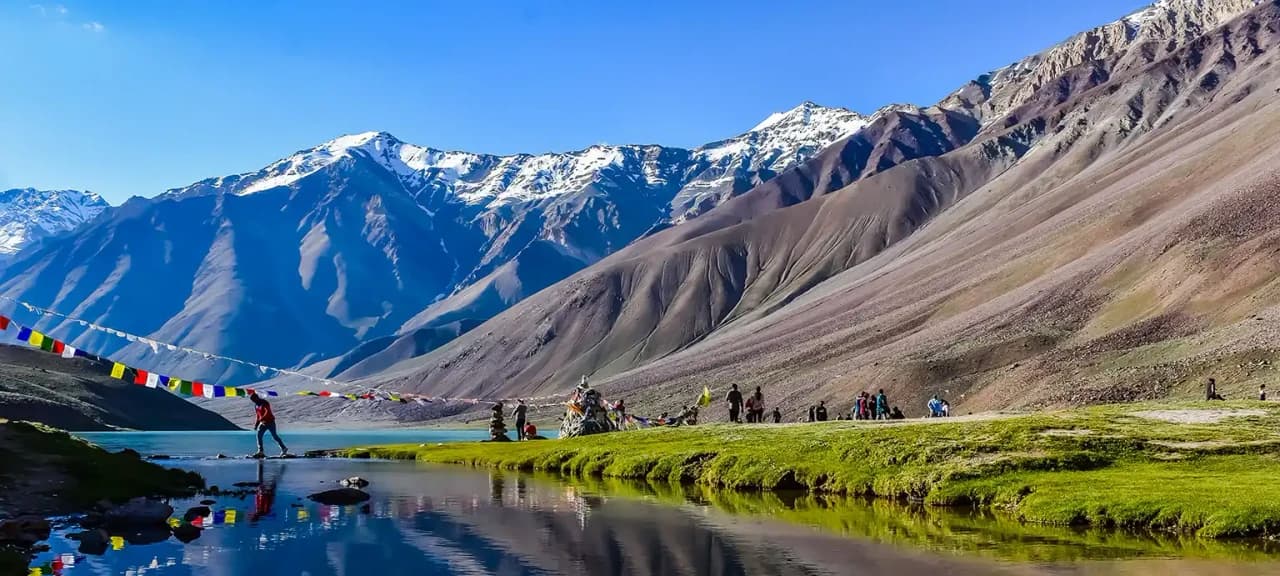
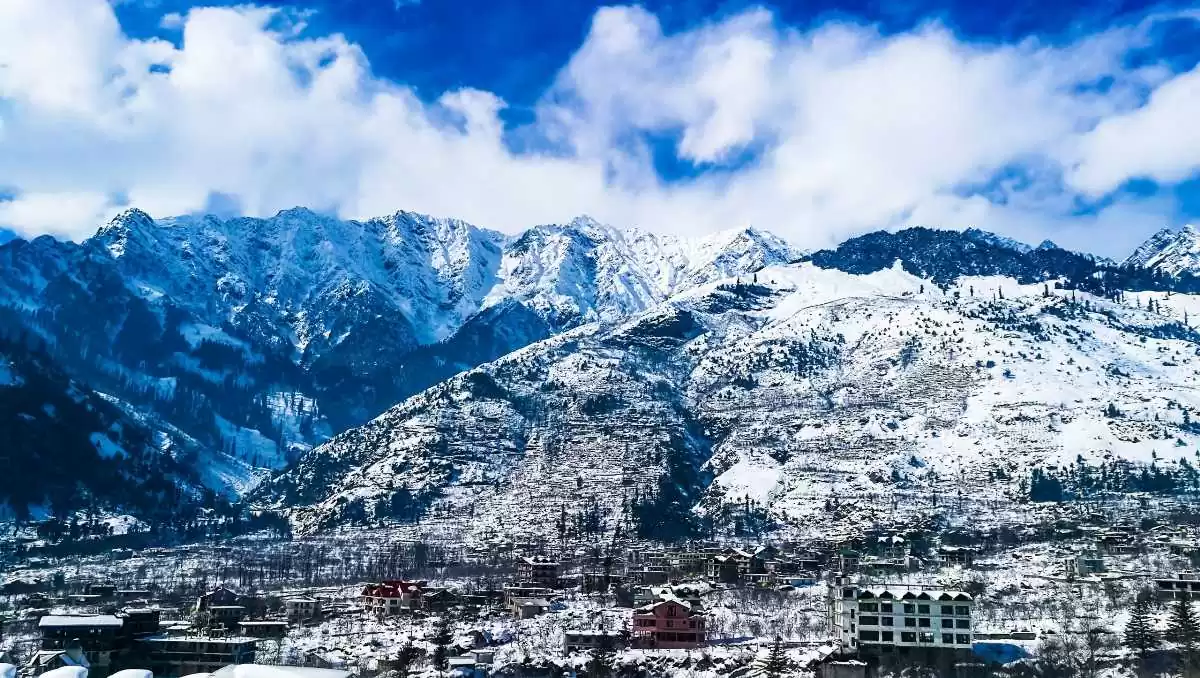
hrigu Lake sits at 4,300 meters (14,100 feet) in the Kullu district of Himachal Pradesh, a high-altitude alpine lake of extraordinary beauty that occupies a uniquely accessible position in the spectrum of Himalayan trekking challenges. Unlike the multi-week expeditions required for passes like Pin Parvati or Rupin, Bhrigu Lake can be reached from Manali in a 2-3 day weekend trek — making it one of the most rewarding high-altitude lake experiences available to trekkers with limited time. Named after the great Vedic sage Bhrigu, who according to Hindu mythology meditated on these shores and whose name is associated with the Bhrigu Samhita astrological text, the lake carries both natural magnificence and spiritual weight. The trek passes through Kullu Valley's finest alpine terrain: oak and deodar forests transitioning to expansive meadows known as 'thatch' in the local vocabulary, wildflower carpets stretching to rocky ridgelines, and finally the lake itself — a roughly oval body of deep blue water reflecting sky and peak with extraordinary clarity. The views from the lake's surrounding ridges are among Manali region's finest: on clear days, the Pir Panjal peaks including Deo Tibba (6,001m) and the Kullu Pumori are visible, along with the Rohtang Pass and the distant Spiti peaks beyond it. Bhrigu Lake is the ideal introduction to high-altitude Himalayan trekking — demanding enough to be genuinely satisfying, accessible enough to be achievable with moderate preparation.
Trek Route: From Vashisht to Sacred Summit
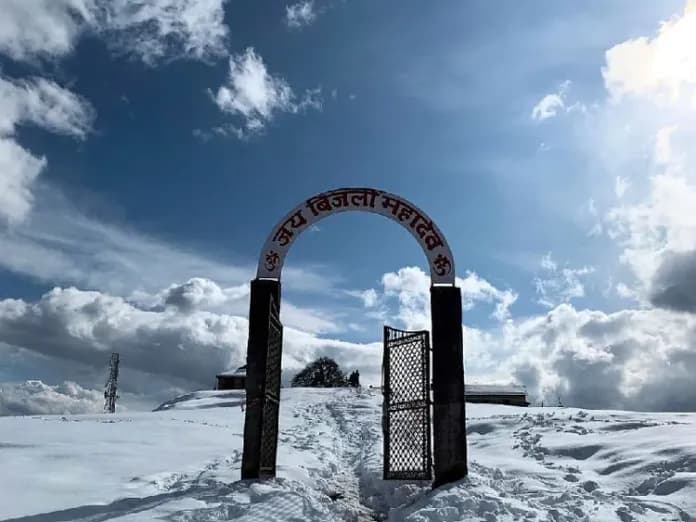
The standard Bhrigu Lake trek begins from Vashisht Village, a thermal-springs settlement just 3 km from Manali town that offers excellent guesthouses and serves as the trailhead for the ascent. Day 1 involves a 5-6 hour climb from Vashisht (1,980m) through dense deodar and oak forest, gaining altitude rapidly as the trail switchbacks upward. The first night's camp is typically at Gulaba Meadow or Rola Kholi (approximately 3,300m), a beautiful alpine clearing that serves as the natural division point between the forested lower section and the open upper terrain. The forest section is particularly beautiful in spring (April-May) when rhododendrons and other flowering species create a multi-colored canopy, and in autumn (October) when leaves turn gold. Day 2 is the main event: a 4-5 hour push from the meadow camp to the lake (4,300m), initially crossing vast open thatch (high meadow) landscapes with panoramic views in all directions before a steeper final section to the lake's edge. The lake itself sits in a natural bowl, its shores often edged with snow even in July, and the Deo Tibba massif provides a dramatic backdrop to the north. Most trekkers spend 1-2 hours at the lake before beginning the return descent, though camping at the lake or just below it extends the experience significantly and allows for the extraordinary light quality of dawn and dusk at this altitude.

The Meadows: Wildflower Paradise
Between the forested lower sections and the rocky upper approaches to Bhrigu Lake lie the Gulaba and Rola Kholi meadows — high-altitude grasslands that are among the Kullu Valley's most spectacular natural assets. These vast open slopes, which extend for several kilometers at elevations between 3,000m and 3,800m, support an extraordinary diversity of alpine wildflowers in the July-August period: Himalayan blue poppies (Meconopsis aculeata), the state flower of Himachal Pradesh and one of the world's most celebrated alpine blooms; several Primula species in pink, purple, and yellow; the deep violet of various Delphinium species; yellow Potentilla; white Anemone; and dozens of others that collectively transform the meadows into natural carpets of color. Bird diversity in these meadows is equally impressive — the Himalayan snowcock, Red-billed chough, Grandala, and various buntings and pipits are regularly seen, while the edges of the forested sections below host Himalayan monals (the state bird of Himachal Pradesh), Koklass pheasants, and various woodpeckers. The meadows have historically served as summer grazing grounds for Gaddi shepherds' flocks — the Gaddis, a transhumant pastoral community, bring their sheep and goats up from the valleys below after snow melts and return in autumn. Meeting a Gaddi shepherd in these meadows, sharing tea from a thermos while his dogs and flock rest around him and mountains rise in every direction, is one of those simple encounters that seem entirely unremarkable at the time and prove, in retrospect, to be among the trek's most memorable moments.

The Mythological Significance of Bhrigu Lake
The sage Bhrigu holds an extraordinary place in the Hindu philosophical tradition: he is one of the Saptarishis (seven great sages) mentioned in the Rigveda, the author of major sections of the Manusmriti (the ancient Hindu law code), and the sage credited with creating the Bhrigu Samhita — a text said to contain astrological profiles for every soul who has ever lived or will live, consulted by millions who seek to have their destiny read by priests in Hoshiarpur who maintain fragments of this vast compilation. That such a figure chose this high-altitude lake for his meditations — as local tradition holds — gives Bhrigu Lake its spiritual charge. For devotees, visiting the lake is a form of pilgrimage: they bring offerings, circumambulate the lake in the clockwise direction prescribed for sacred sites, and believe that a dip in its cold waters carries purifying merit. The lake has never been formally studied for its depth, and local belief holds that it is bottomless — a common attribution to sacred high-altitude lakes throughout the Himalayas that reflects their perceived connection to the divine. This spiritual overlay — the sense that you are standing in a place that has been held sacred for thousands of years, that the mountain air carries the accumulated prayers of generations — adds dimensions to the natural beauty that purely aesthetic appreciation cannot provide.
Altitude Considerations and Physical Preparation
Bhrigu Lake's relatively accessible location (close to Manali, achievable in 2-3 days) can lull trekkers into underestimating the physiological demands of reaching 4,300 meters. This is a mistake: 4,300m is high enough for genuine Acute Mountain Sickness (AMS), and the rapid ascent profile from Manali at 2,050m means that trekkers gain 2,250 vertical meters in just 2 days — faster than recommended for optimal acclimatization. Spending at least 1-2 days in Manali before starting the trek is essential for acclimatization, and the ascent should be taken slowly with multiple breaks. AMS symptoms — persistent headache, nausea, loss of appetite, dizziness, and fatigue — should be taken seriously and, if severe, require descent to lower altitude immediately. Carry Diamox (acetazolamide) after consulting a physician; it aids acclimatization but is not a substitute for proper acclimatization practices. Physically, the Bhrigu Lake trek is rated moderate and requires 4-6 hours of daily walking, including sustained uphill sections. Regular exercise (cardio and walking) for 4-6 weeks before the trek is adequate preparation for most reasonably fit adults. The descent, while easier aerobically, is harder on knees — trekking poles are highly recommended, particularly for the steep sections between the meadows and Vashisht.
Best Time and Practical Information
The Bhrigu Lake trek season runs from mid-May to mid-October, with distinct seasonal experiences within this window. May-June offers the dramatic post-winter landscape with significant snow still present near the lake (adding beauty but requiring more care on slopes), blooming rhododendrons in the forest, and fresh spring wildflowers beginning in the lower meadows. July-August is peak wildflower season in the upper meadows, with maximum diversity of alpine blooms — the most visually spectacular time for the meadow sections. The main drawback of July-August is monsoon: while Kullu Valley receives less monsoon rain than the Himalayan foothills, afternoon showers are common and can make trails slippery. September-October is arguably the ideal trekking window: clear post-monsoon skies, golden autumn foliage in the forests, good snow-free trail conditions, and the crystalline light quality that characterizes Himalayan autumn. Vashisht Village has numerous guesthouses in all price ranges and serves as the most convenient base. Hiring a local guide (available in Vashisht and Manali) is recommended for first-time trekkers; experienced trekkers can navigate independently with a good map or GPS. Camping equipment (tent, sleeping bag, mattress) can be rented in Manali from numerous adventure equipment shops on Mall Road.
“
"Bhrigu Lake gives you the Himalayas in miniature — all the drama, all the beauty, all the spiritual weight of a major high-altitude expedition compressed into three days that leave you as changed as three weeks would."
— Regular Bhrigu Trekker, 2024
Key Takeaways
Practical Tips
Spend 2 days in Manali before starting trek for acclimatization
Start from Vashisht (3 km from Manali) — save transport time and costs
Start Day 2 climb before 6 AM to reach lake before afternoon cloud buildup
Carry at least 3 liters of water — limited water sources above tree line
Trekking poles are strongly recommended for knee protection on descent
Carry Diamox (after medical consultation) for altitude support
Carry warm layers including down jacket — lake area is extremely cold
Don't swim in the lake — it is considered sacred and water is dangerously cold
Book campsites in advance for July-August peak season
Sunrise at the lake (4 AM to 6 AM) is spectacular — plan overnight accordingly
Pack sunscreen SPF 50+ and UV-blocking sunglasses — UV is extreme at altitude
Hire local guides from Vashisht — they support the community and know the terrain
12 tips to help you on your journey
Bhrigu Lake proves that not all great Himalayan experiences require weeks of expedition planning or elite-level fitness. This magnificent high-altitude lake, reachable from Manali in a long weekend, delivers a concentrated dose of everything that makes Himalayan trekking compelling: the physical challenge of sustained ascent, the visual revelation of alpine meadows and wildflower carpets, the profound silence of high altitude, the spiritual weight of ancient mythological association, and the lake itself — a deep blue mirror reflecting sky and peak at 4,300 meters, named after a sage who understood that the clearest truths emerge from the highest, quietest places. Descending to Manali after Bhrigu Lake — back to the restaurants and guesthouses and holiday traffic — the mountain behind you holding its cold, sacred lake in an ancient rock bowl, you understand precisely why Sage Bhrigu chose to meditate here. The altitude clarifies. The silence teaches. The beauty instructs. These lessons, carried home in tired legs and a heart full of mountain memory, are the real treasures of the Bhrigu Lake trek.
Sneha Iyer
AuthorHigh-altitude nature guide and trekking blogger specializing in day and weekend treks from Manali. Follow along for more travel stories, photography tips, and destination guides from around the world.