udha Kedar Temple, perched at approximately 2,100 meters in the Mandi district, is an ancient Shiva shrine that combines spiritual significance with natural grandeur. This temple, believed to be over 1,000 years old, showcases remarkable stone architecture and offers devotees and trekkers alike a journey through dense forests, alpine meadows, and panoramic Himalayan vistas. The name 'Budha' (old) Kedar distinguishes it from the younger shrines, emphasizing its ancient origins and enduring importance in local religious traditions.
Ancient Origins and Religious Significance
Budha Kedar is said to have been established during the Pandava era, making it one of Himachal's oldest Shiva temples. The temple architecture reflects early medieval stone construction techniques with massive stone blocks fitted without mortar. Local legends associate it with the Kedarnath pilgrimage circuit, believing it to be one of the original meditation sites of Lord Shiva. The temple attracts devotees year-round, with major celebrations during Maha Shivratri when thousands make the pilgrimage, transforming the trail into a vibrant procession of faith.

The Trek: Path to Divinity
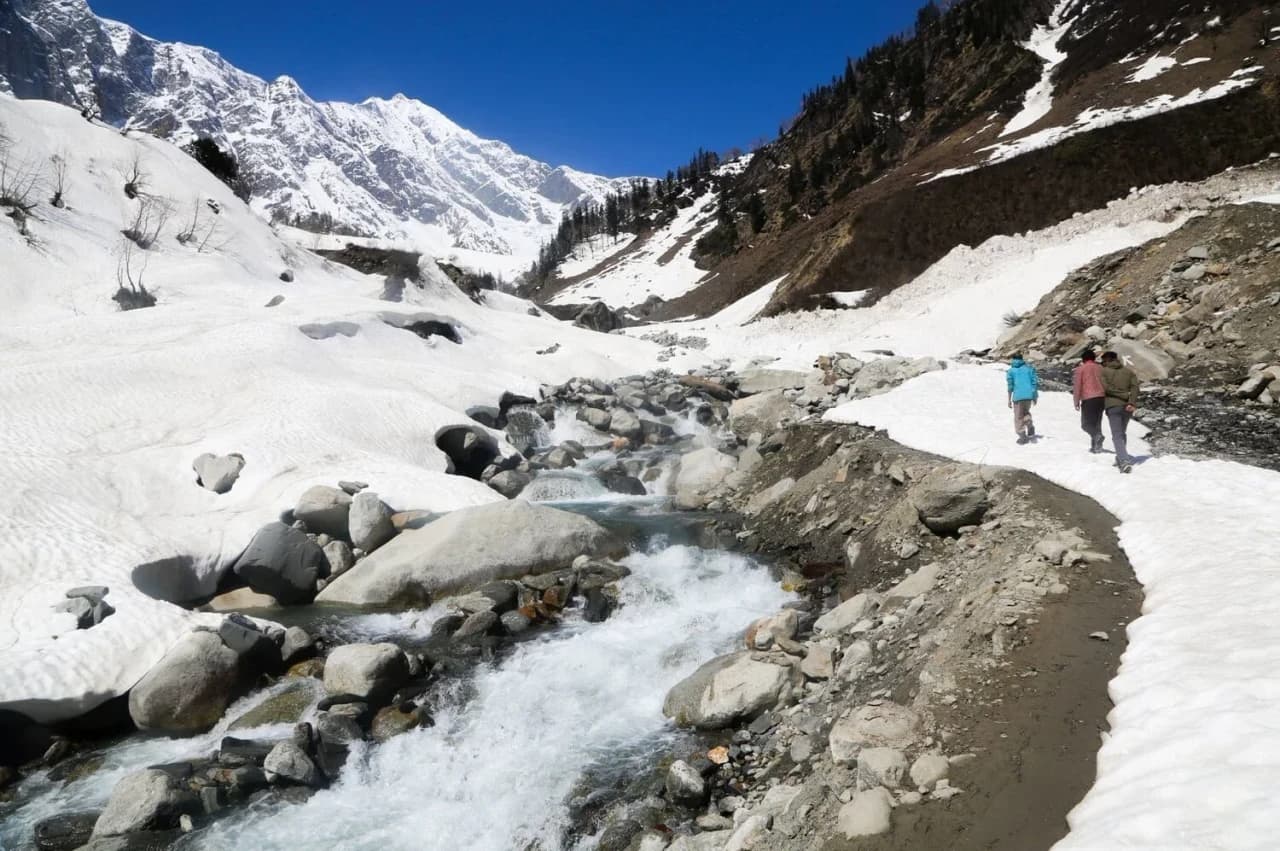
The trek to Budha Kedar typically begins from Janjehli and spans about 4-5 kilometers through varied terrain. The well-worn pilgrimage path winds through dense deodar forests where sunlight filters through creating a cathedral-like atmosphere. As you ascend, the forest opens to meadows offering first glimpses of surrounding peaks. The final approach involves some steep sections with stone steps carved by generations of pilgrims. The trek, though moderate in difficulty, requires reasonable fitness and takes about 2-3 hours at a steady pace.
Temple Architecture and Sacred Elements
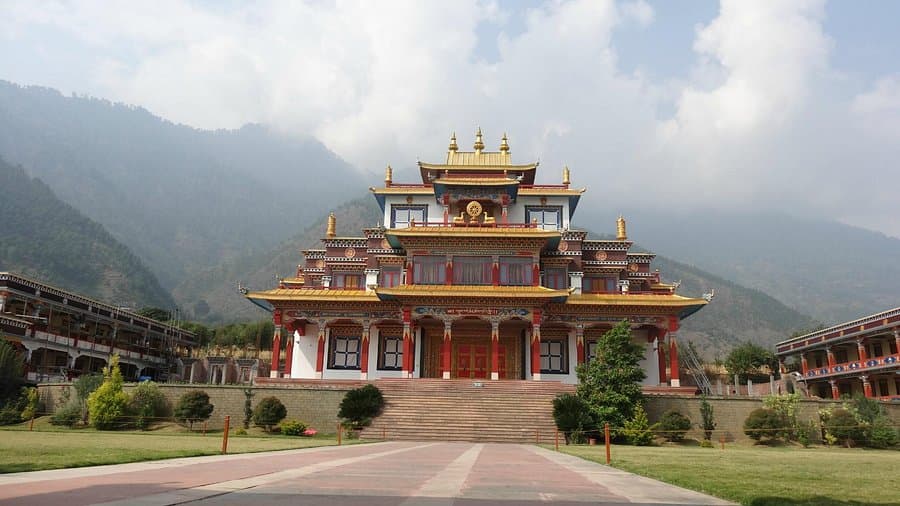
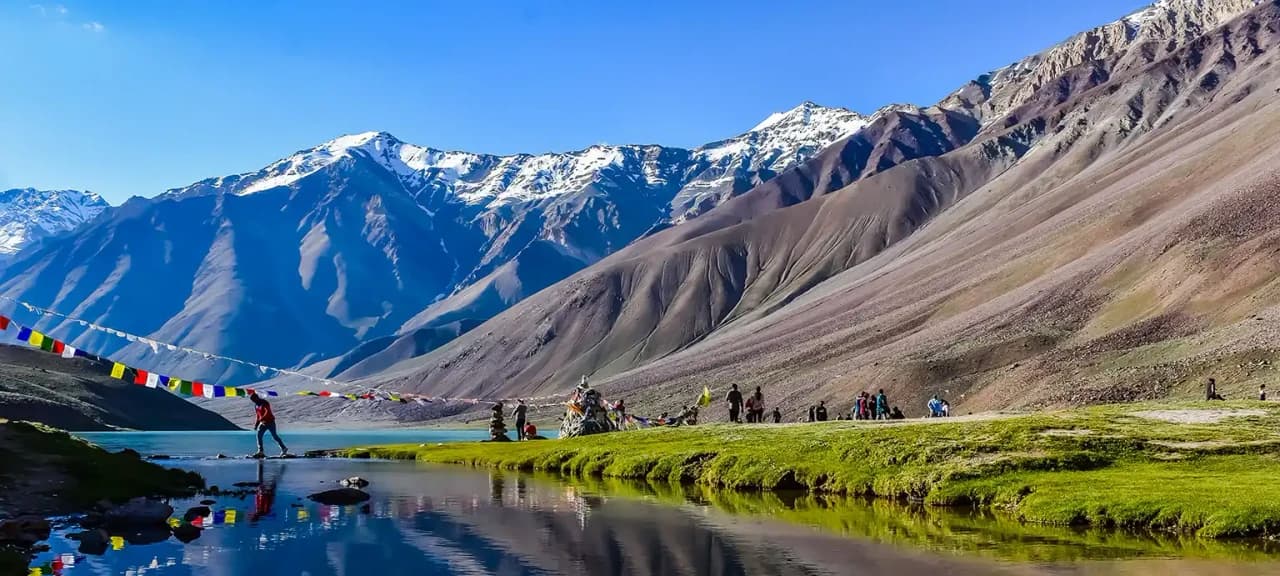
The temple's stone construction showcases ancient Himachali architectural principles. The sanctum sanctorum houses a naturally formed Shiva lingam, which devotees believe emerged from the earth itself. Intricate stone carvings, though weathered by centuries, still display remarkable craftsmanship depicting various deities and mythological scenes. The temple courtyard offers a peaceful space for meditation with prayer flags fluttering in the mountain breeze. A natural spring nearby is considered sacred, and pilgrims perform ritual ablutions here before entering the temple.

Natural Beauty and Mountain Views
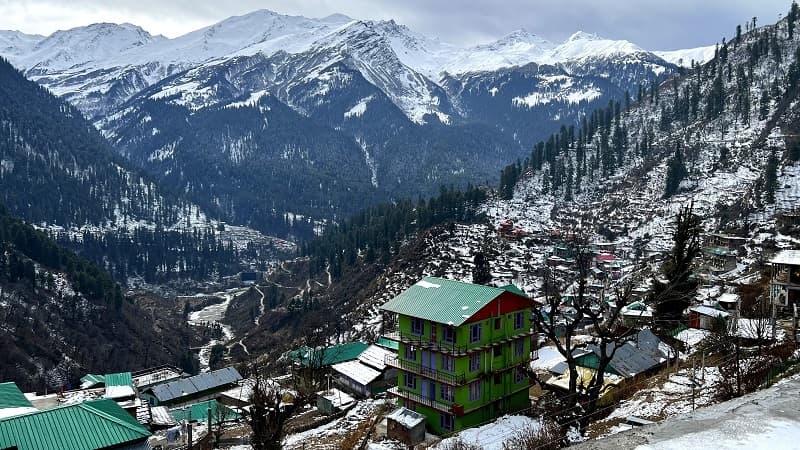
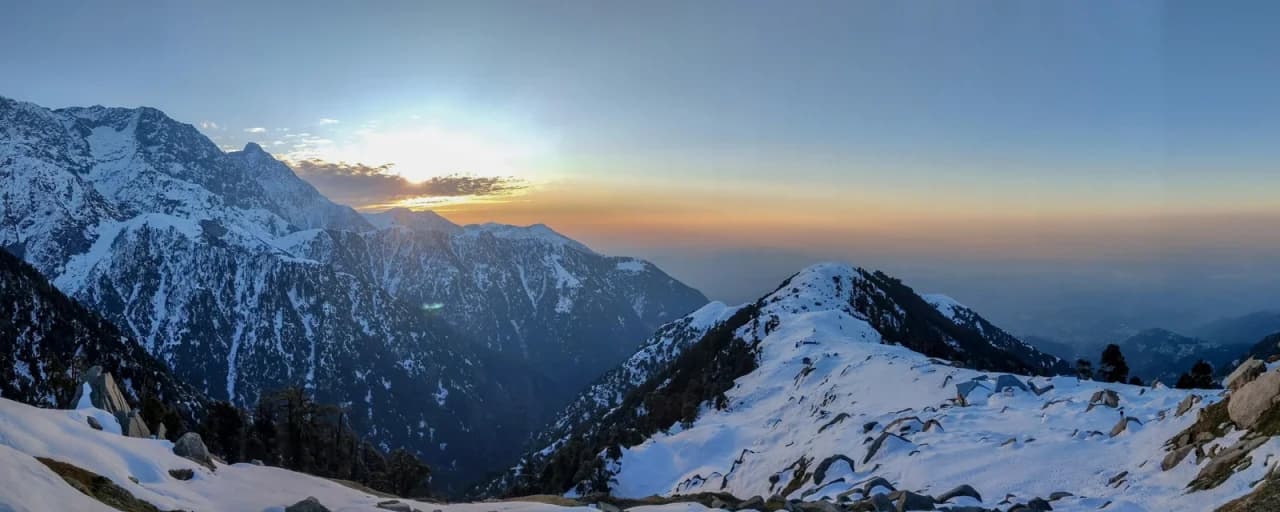
Beyond spiritual significance, Budha Kedar offers stunning natural scenery. The temple location provides panoramic views of the Dhauladhar ranges and surrounding valleys. On clear days, you can spot distant snow peaks creating a dramatic backdrop. The area is rich in biodiversity with numerous Himalayan bird species, butterflies, and seasonal wildflowers. Sunrise visits are particularly magical when the first light illuminates the peaks and temple in golden hues, creating an atmosphere of divine transcendence.
Best Time to Visit and Festivals
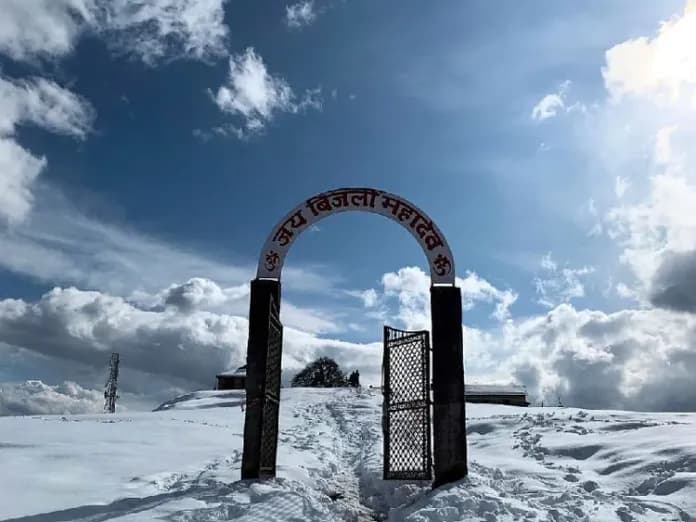
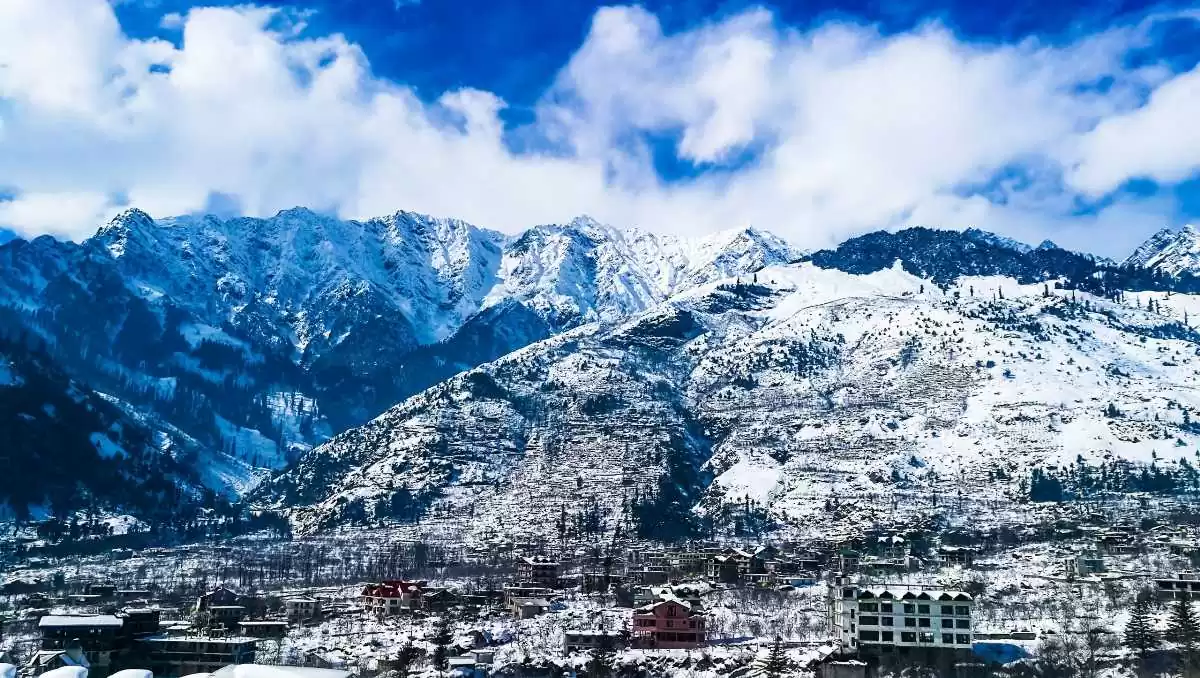
The temple is accessible year-round, though each season offers different experiences. April to June brings pleasant weather, blooming rhododendrons, and comfortable trekking conditions. Monsoon (July-September) sees fewer visitors but lush greenery, though trails can be slippery. October-November offers clear skies and is ideal for mountain views. Maha Shivratri (February-March) is the main festival when the temple sees maximum pilgrims. Winter snowfall (December-February) makes the trek challenging but transforms the landscape into a winter wonderland.
“
"Budha Kedar isn't just a destination – it's a pilgrimage where every step is a prayer, every breath carries mountain wisdom, and the journey itself becomes the blessing."
— Temple Priest, 2024
Key Takeaways
Practical Tips
Start early to complete the trek and have time for prayers before evening
Carry offerings for the temple if you wish – flowers, coconut, or incense
Wear modest clothing suitable for temple visit – avoid shorts and sleeveless tops
Trekking shoes recommended but not mandatory – many pilgrims do it in regular footwear
Carry water and snacks – limited facilities at the temple
Photography allowed outside but restricted inside the sanctum – respect rules
During Shivratri, the trail is crowded – expect longer trek times
Respect local customs and temple rituals even if unfamiliar
A small donation to temple maintenance is customary
Pack warm layers if visiting early morning or in colder months
10 tips to help you on your journey
Budha Kedar represents the enduring faith that has sustained Himalayan communities for millennia. Whether you approach it as a pilgrim seeking divine blessings or a trekker exploring Himachal's cultural heritage, the journey to this ancient temple offers rewards both spiritual and scenic. The combination of historical significance, architectural beauty, moderate trekking challenge, and natural splendor makes Budha Kedar a must-visit destination for anyone exploring the spiritual landscape around Mandi.
Arjun Thapa
AuthorSpiritual trekking guide and researcher of Himalayan temple architecture. Follow along for more travel stories, photography tips, and destination guides from around the world.