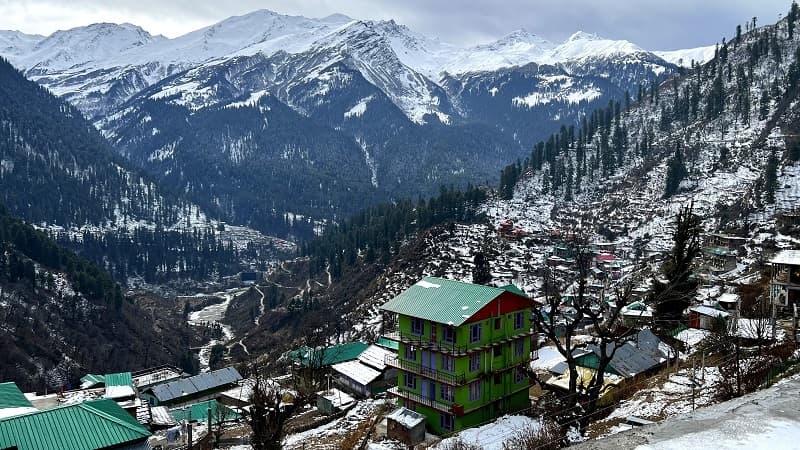
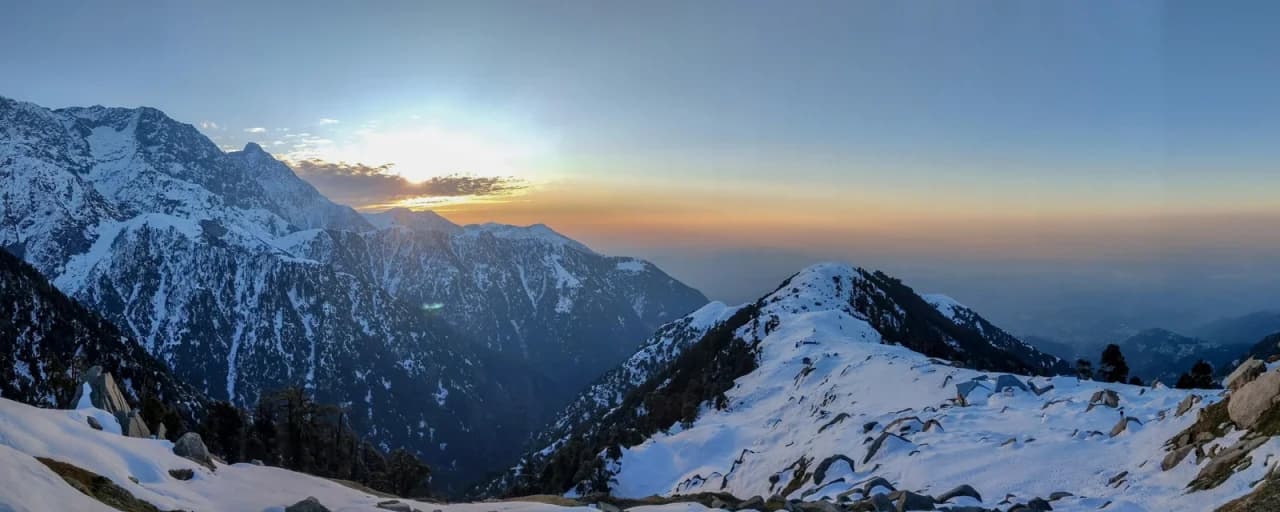
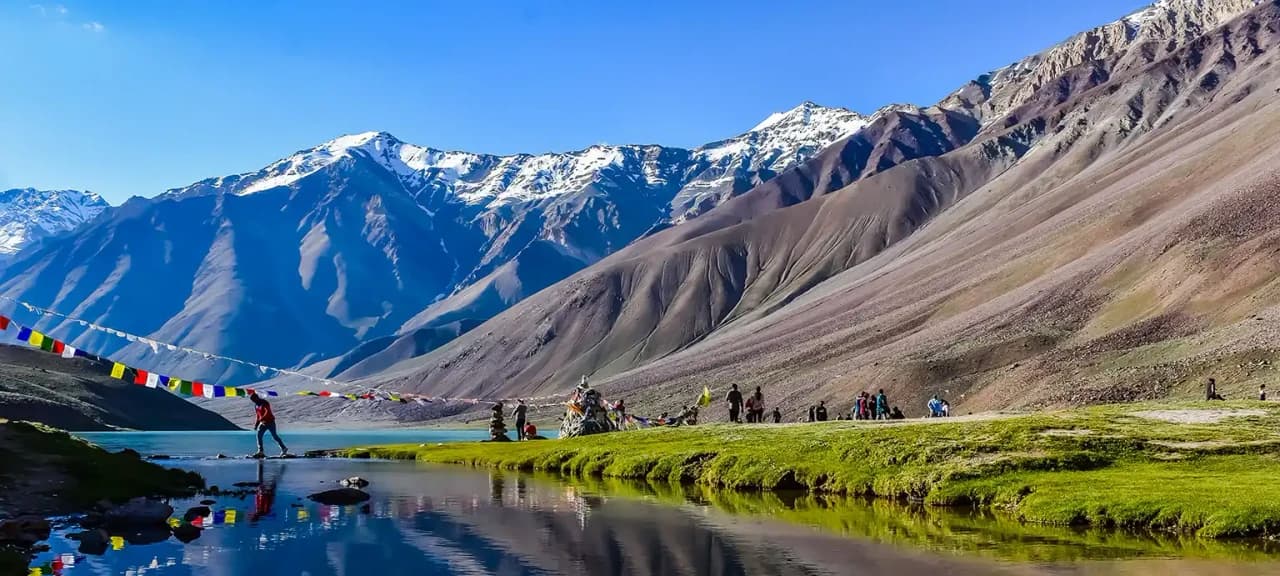
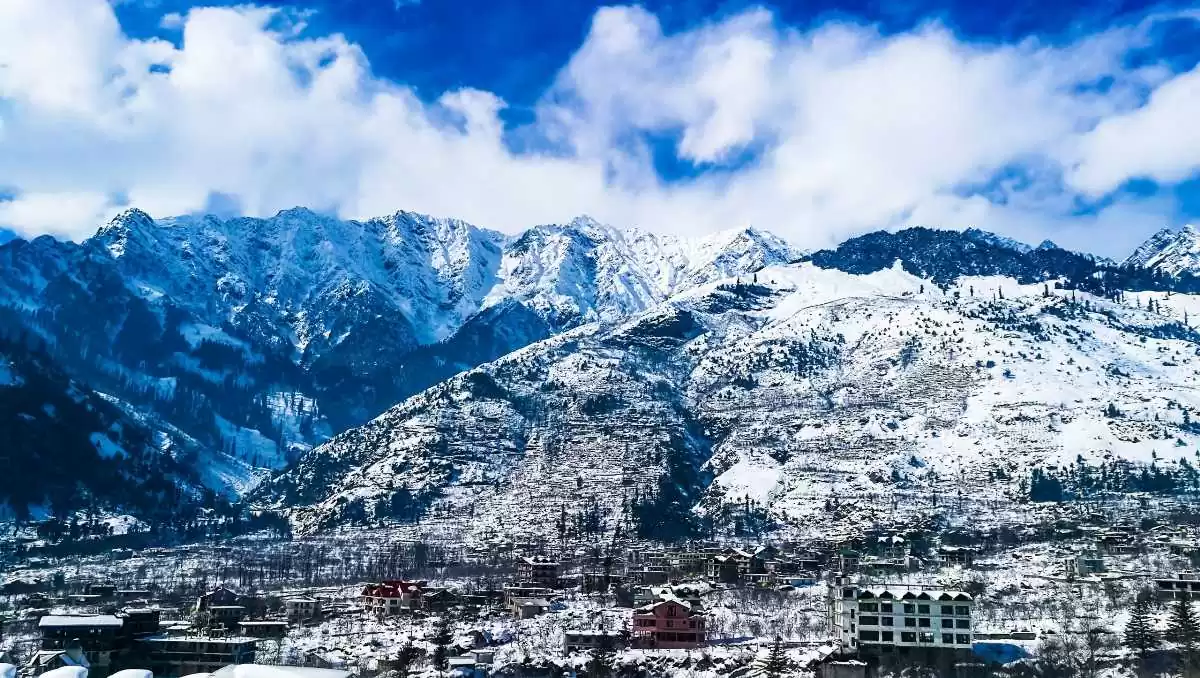
himla wears the title 'Queen of Hill Stations' as comfortably as it wears its colonial architecture — with a certain unhurried elegance that speaks of a long and layered history. Founded by the British in 1819 as a sanatorium for convalescent soldiers, Shimla grew rapidly to become the summer capital of British India from 1864 onward, a role it performed for nearly a century while armies marched, treaties were signed, and India's independence was negotiated in its cool, pine-scented air. Today, Himachal Pradesh's capital is India's most visited hill station, receiving millions of visitors annually — a fact that has generated the mixed blessing of celebrity: the famous Mall Road and Ridge are genuinely beautiful and atmospheric, but they are also perennially crowded. The Shimla that rewards deeper exploration, however, extends far beyond these iconic thoroughfares. In the old colonial neighborhoods below Christ Church, in the forested trails of Jakhu Hill, in the ancient Tara Devi and Kali Bari temples, in the quiet villages of Mashobra and Chharabra, in the remarkable UNESCO-listed Kalka-Shimla narrow-gauge railway, and in the dozens of heritage buildings that have survived to tell their stories — in all these places, a Shimla of genuine depth and character awaits the traveler willing to look past the obvious. This guide is an invitation to that deeper Shimla.
Colonial Heritage: Architecture and History
Shimla's colonial legacy is embedded in its architecture with extraordinary richness. The Christ Church, consecrated in 1857 and dominating the Ridge with its neo-Gothic spire, contains stained glass windows that survived the full arc of British rule and can be visited for a glimpse of Victorian ecclesiastical art in an improbable Himalayan setting. Viceregal Lodge (now the Indian Institute of Advanced Study), completed in 1888 in Scottish Baronial style, served as the summer residence of British India's Viceroys — it was here that the Shimla Conference of 1945 was held, a pivotal failed attempt at Indian unity before Partition. Guided tours of Viceregal Lodge reveal rooms where history was made: the library where Curzon worked, the ballroom where the Empire's elite danced, the grounds where Nehru and Jinnah walked with Mountbatten. The Gaiety Theatre, built in 1887, hosted performances by Rudyard Kipling among others and continues to stage productions as the country's oldest active theater. The State Museum near Chaura Maidan houses an excellent collection of Himachali art, textiles, and historical documents. Walking the quieter lanes below Mall Road — particularly Lakkar Bazaar (historically the woodworkers' market) and the old Sanjauli neighborhood — reveals Victorian-era bungalows with names like 'Snowdon,' 'The Retreat,' and 'Woodville' that transport the imagination to the Raj with vivid immediacy.

The Kalka-Shimla Railway: A UNESCO Marvel
The Kalka-Shimla Railway, inscribed on UNESCO's World Heritage List in 2008 as part of the Mountain Railways of India, is among Shimla's most distinctive experiences and one of the world's most extraordinary train journeys. Completed in 1903 to connect Shimla to the plains for British administrators who found the summer capital otherwise unreachable during monsoon, the narrow-gauge line covers 96 kilometers from Kalka through 102 tunnels (the longest over 1 km), across 864 bridges, and through 919 curves in just over 5 hours — rarely exceeding 25 km/h but never boring for a single moment. The steam engines have been replaced by diesel, but 'toy train' coaches still inch their way up through the forested hills, through tunnel darkness and sudden viaduct brightness, through Barog (site of a famous engineering story involving a tunnel miscalculation), and past dozens of small hill stations and forest rest houses that recall the British summer migrations from the plains. Boarding at Shimla station for the return journey to Kalka — or the reverse — should be considered a non-negotiable element of any Shimla visit. The Heritage Special train with its restored vintage coaches is particularly recommended. Window seats on the left side descending from Shimla offer the best valley views; window seats on the right climbing from Kalka face the mountain walls more directly.

Jakhu Hill and Temple Trails
The Jakhu Temple, dedicated to Lord Hanuman and perched atop Shimla's highest point at 2,455 meters, has been a pilgrimage site for centuries and is referenced in the Ramayana as the spot where Hanuman rested during his search for the Sanjeevani herb to revive Lakshmana. The 30-minute walk from the Ridge to Jakhu Temple passes through dense rhododendron and oak forest, though the route is complicated by the presence of hundreds of rhesus monkeys who have grown bold from tourist feeding and should be approached with your bag held firmly and food concealed. The massive 33-meter Hanuman statue visible from much of Shimla was completed in 2010 and, despite being architecturally incongruous with the colonial aesthetic, serves as an effective visual landmark. Kali Bari Temple on the slopes below Mall Road is another important pilgrimage site, while the Tara Devi Temple, accessed by bus or car to Shoghi and a short walk, offers some of the finest panoramic views of the Shimla hills and, on clear winter days, distant snow peaks. The Prospect Hill temple (Kamna Devi) near Boileauganj is less visited than Jakhu but perhaps more atmospherically beautiful — a smaller shrine surrounded by forest that feels genuinely ancient and undisturbed.
Beyond Shimla Town: Day Trips and Escapes
Shimla's greatest value may be as a base for exploring the surrounding region, which offers experiences of genuine natural beauty and cultural depth that the town itself cannot provide. Naldehra, 23 km from Shimla, is home to India's oldest golf course (established 1905) set among spectacular pine and cedar forest, and the Naldehran forest offers some of the region's finest nature walks. Mashobra (13 km) and Chharabra (13 km) are quiet villages where the Oberoi's Wildflower Hall — one of India's most elegant mountain resorts — occupies the site of Lord Kitchener's former residence, surrounded by apple orchards and forest. Craignano, a tiny hamlet between these two villages, has a charming forest rest house where Kipling reportedly wrote portions of his work. Kufri (16 km) offers horse riding and snow activities in winter, though it has become crowded and commercial. Fagu (22 km) is calmer and has spectacular apple orchard landscapes in spring blossom (mid-March to April). The Hatu Peak near Narkanda (65 km from Shimla) provides one of the region's finest panoramic views from its 3,400-meter summit — a half-day excursion that rewards with 360-degree Himalayan panoramas from a less-visited vantage point.
Shopping, Food, and Practical Information
Shimla's shopping scene balances colonial nostalgia with Himachali craft authenticity. Lakkar Bazaar sells wooden handicrafts ranging from mediocre tourist items to genuinely skilled woodwork; distinguishing the two requires some knowledge. The main bazaar below Mall Road offers Himachali shawls, woolens, and traditional jewelry — bargaining is expected and local vendors appreciate Hindi speakers. Himachal Emporium on Mall Road stocks authentic government-certified handicrafts without the bargaining exercise. Shimla's food scene has expanded significantly, with options ranging from traditional Himachali thali restaurants to Tibetan dhabas, South Indian cafes, and upscale restaurants in heritage hotels. Himachali specialties worth seeking include madra (chickpea curry cooked in clarified butter), chaa (lamb stewed in yogurt), sidu (steamed bread eaten with ghee), and the excellent local apple products — juice, cider, dried apple chips, and apple jam available throughout the market. The famous Baljees restaurant on Mall Road has served generations of Shimla visitors its famous hot chocolate and pastries since 1883. Coffee culture has arrived via Cafe Sol and other newer establishments, while the historic Cecil Hotel (now Oberoi Cecil) serves afternoon tea in surroundings of convincing Raj-era elegance.
Best Time to Visit and Seasonal Experiences
Shimla's elevation of 2,200 meters means pleasant temperatures throughout the year, but different seasons offer distinctly different experiences. Summer (April to June) is peak tourist season with warm days (20-25°C), clear views, and maximum crowd levels — accommodation prices peak and Mall Road becomes genuinely congested. Spring (March-April) before summer rush is ideal — apple blossoms in surrounding orchards, rhododendrons blooming on Jakhu Hill, and thin crowds. Monsoon (July-September) brings dramatic cloud formations, lush green forests, and frequent rain — the town is less crowded, colonial architecture looks its most atmospheric in misty conditions, and prices drop. Autumn (October-November) offers the clearest skies and most comfortable temperatures — the best season for day trips to viewpoints like Hatu Peak. Winter (December-February) is Shimla's most popular season for snowfall, though actual snow days are unpredictable — the town transforms beautifully when it does snow, but weeks can pass without a flake. New Year's Eve brings maximum crowds. Book accommodation 3-4 months in advance for December-January visits.
“
"Shimla rewards the visitor who wanders — who turns left instead of right, who walks downhill instead of following the crowd, who asks questions instead of taking selfies. That Shimla, found in the exploration, is worth every visit."
— Heritage Conservation Architect, 2024
Key Takeaways
Practical Tips
Walk Mall Road and Ridge early morning (7-9 AM) to enjoy them without crowds
Book Kalka-Shimla Railway tickets in advance — Heritage Special fills quickly
Visit Viceregal Lodge on guided tour — heritage significance requires context
Hold your bags tightly near Jakhu Temple — monkeys are opportunistic thieves
Stay in heritage hotels (like Woodville Palace or Oberoi Cecil) for full colonial experience
Try Himachali thali at local restaurants — avoid overpriced tourist restaurants on Mall Road
Visit in October-November for clearest mountain views and pleasant temperatures
Hire local guides for colonial history walks — their stories add enormous value
Check HRTC bus timings for day trips to Naldehra, Mashobra, and Kufri
Visit State Museum (near Chaura Maidan) — undervisited but excellent collection
Carry warm layers even in summer — evenings and mornings are cool
Respect no-vehicle zones on Mall Road — private cars are restricted
12 tips to help you on your journey
Shimla has earned its designation as Queen of Hill Stations not through royal decree but through accumulated layers of history, natural beauty, cultural depth, and atmospheric character that no amount of tourist commercialization has entirely erased. The town simultaneously contains the India of the British Raj and the India of independent Himachal Pradesh, the India of weekend tourists from Delhi and the India of Garhwali pilgrims at Jakhu Temple, the India of luxury heritage hotels and the India of small dhaba breakfasts. This layering — visible in its architecture, audible in its languages, tangible in its chai shops and its colonial corridors — is what makes Shimla endlessly interesting to the traveler who approaches it as a place to be known rather than simply photographed. Beyond the selfie spots and the overcrowded promenades lies a hill station of genuine depth, where history breathes through Victorian stonework, where pine forests begin just beyond the last tourist shop, and where the Himalayan dawn — with mist filling the valleys and the first light touching distant snow peaks — reminds you that this mountain capital has always been, at its fundamental heart, a place where humans came to look at mountains and found something in the looking worth returning for.
Neha Gupta
AuthorHeritage tourism specialist and hill station travel writer with deep knowledge of colonial Himalayan history. Follow along for more travel stories, photography tips, and destination guides from around the world.