angeh Pass, situated at approximately 4,100 meters in the Mandi district, represents one of the region's most challenging high-altitude trekking destinations. This mountain pass connects remote valleys and offers serious trekkers an opportunity to test their endurance while experiencing pristine Himalayan wilderness. With snow-covered approaches much of the year, technical sections, and spectacular alpine scenery, Mangeh Pass is for experienced trekkers seeking adventure beyond standard tourist circuits.
The High-Altitude Challenge: What to Expect
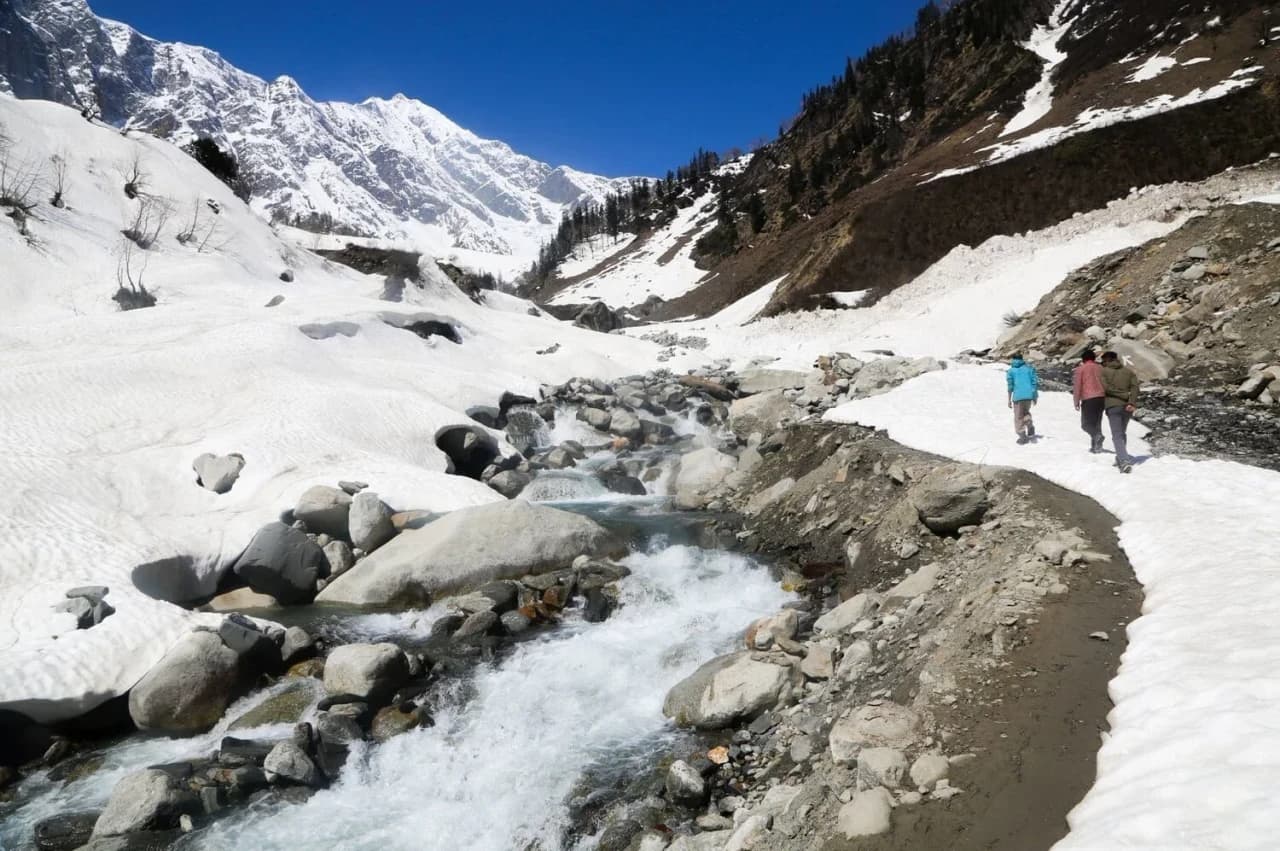
Mangeh Pass trek is graded as difficult to very difficult, requiring excellent physical fitness, high-altitude experience, and mental toughness. The trek typically spans 7-9 days covering approximately 60-70 kilometers with significant altitude gain. Challenges include steep ascents, possible snow crossings, stream crossings, and sections with loose scree. Altitude sickness is a real risk, making proper acclimatization crucial. The pass itself is often snow-covered, with wind speeds that can be intense. This is not a trek for beginners or those without previous high-altitude experience.

Route and Itinerary
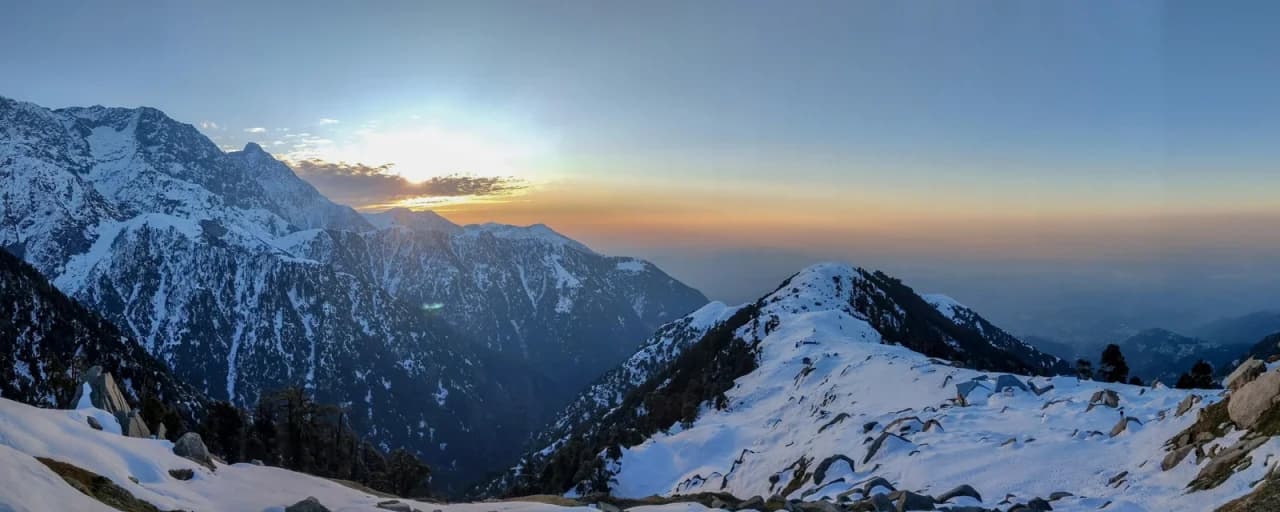
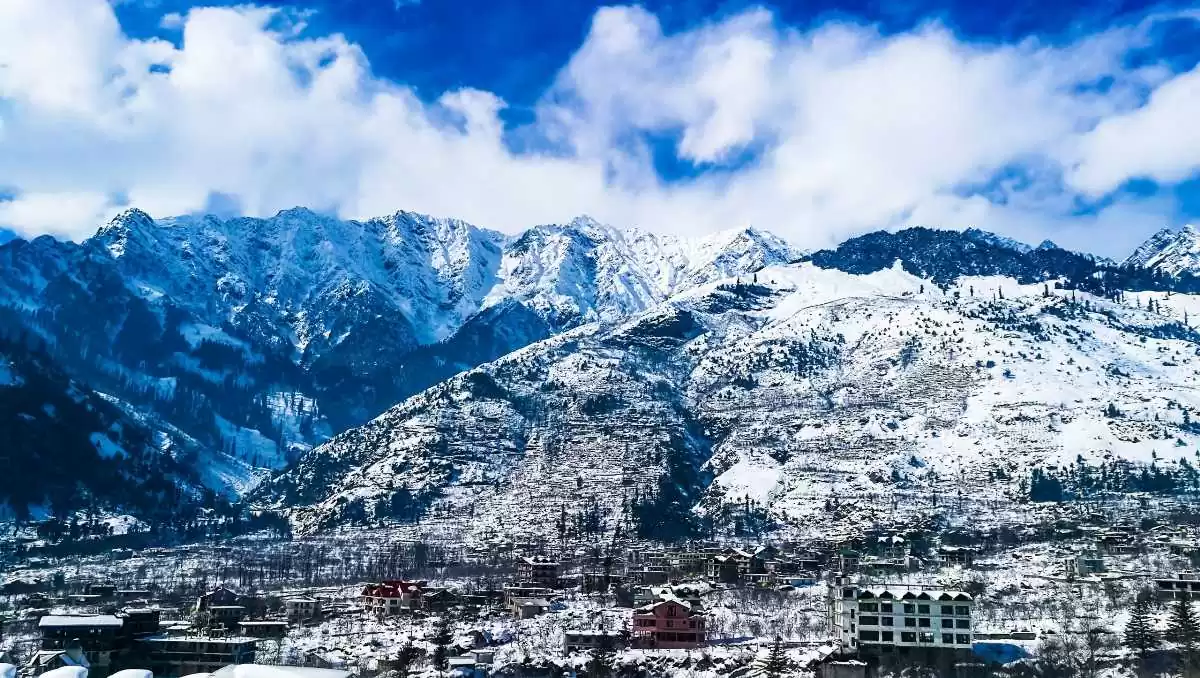
The trek typically begins from a village accessible from Mandi, with the first few days involving gradual ascent through forests and alpine meadows to reach base camps. The approach to the pass involves camping at progressively higher altitudes to acclimatize. The pass crossing day is the most demanding – starting before dawn to cross during stable weather windows. The trail involves boulder fields, possible glacier crossings, and the final steep climb to the pass. Summit views reward the effort with panoramic vistas of Himalayan giants including peaks of the Pir Panjal and Dhauladhar ranges.
Flora, Fauna, and Natural Environment
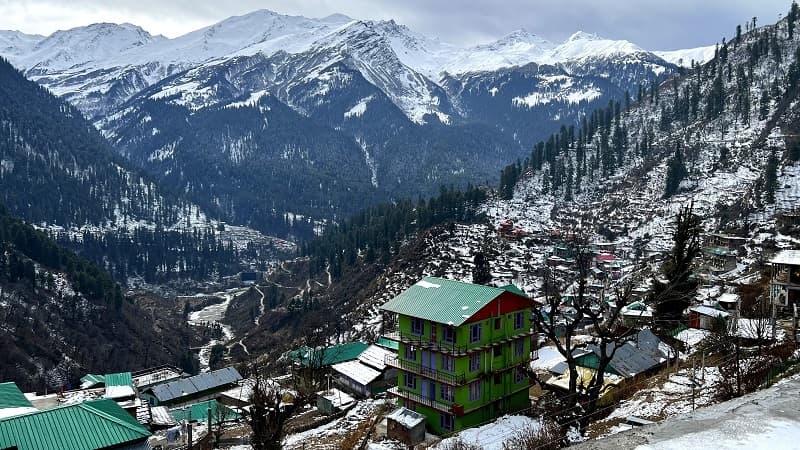
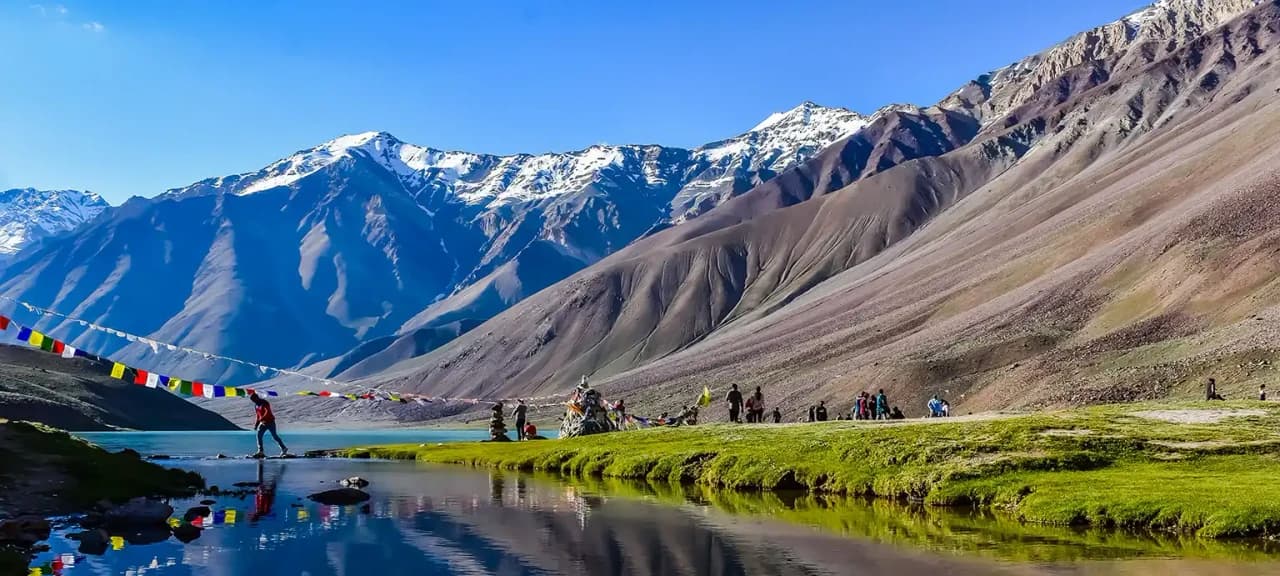
The trek through Mangeh Pass traverses multiple ecological zones. Lower elevations feature dense forests of oak, rhododendron, and pine, home to Himalayan birds and occasionally bharal (blue sheep) or ibex. As you ascend, vegetation transitions to alpine meadows carpeted with wildflowers in summer. Above treeline, the landscape becomes stark and beautiful – rocky terrain, snow patches, and minimal vegetation adapted to harsh conditions. The high-altitude environment is pristine, largely untouched by human activity, offering nature in its rawest form.

Essential Preparations and Gear
Successful completion of Mangeh Pass trek requires serious preparation. Begin physical training at least 8-12 weeks in advance with cardiovascular endurance, strength training, and practice treks carrying weighted backpacks. Essential gear includes four-season tent, high-altitude sleeping bag (-15°C rated), trekking poles, crampons and ice axe (for snow sections), layered clothing system, quality trekking boots, and comprehensive first-aid kit with altitude sickness medication. Food and fuel must be carried for the entire trek. Technical gear like harness and rope may be needed depending on conditions.
Safety, Permits, and Best Season
Safety is paramount on this challenging trek. Hiring experienced guides familiar with the route is strongly recommended. Trekking in groups of minimum 4-5 people is safer than solo attempts. Check weather forecasts carefully and be prepared to turn back if conditions deteriorate. Required permits should be obtained from forest department and local authorities. The only suitable trekking windows are June-July and September-October when the pass has minimal snow. Even in these months, weather can be unpredictable. Winter attempts are for expert mountaineers only.
“
"Mangeh Pass doesn't give you easy victories. It demands everything – your strength, your will, your respect. But for those who answer its call, it offers something priceless – proof that you're capable of more than you imagined."
— Mountaineering Guide, 2024
Key Takeaways
Practical Tips
Train extensively – this trek demands peak physical fitness
Acclimatize properly with gradual altitude gain – never rush
Hire experienced guides and porters familiar with the route
Carry comprehensive medical kit including Diamox for altitude sickness
Pack high-calorie, lightweight food – you'll need the energy
Four-season gear is essential – weather can change dramatically
Start pass crossing before dawn to avoid afternoon weather deterioration
Carry satellite phone or emergency communication device
Have evacuation insurance covering high-altitude rescue
Know symptoms of altitude sickness and descend immediately if affected
Share detailed itinerary with family and authorities
Be mentally prepared to turn back – summiting isn't worth your life
12 tips to help you on your journey
Mangeh Pass represents Himalayan trekking at its most challenging and rewarding. This is not for casual trekkers or those seeking comfortable adventures – it's for serious mountain enthusiasts willing to push their limits in pursuit of raw, untamed beauty. The satisfaction of standing atop the pass, surrounded by Himalayan giants, having overcome physical and mental challenges, is an experience that transforms trekkers. If you have the fitness, experience, and determination, Mangeh Pass near Mandi offers one of Himachal's ultimate high-altitude adventures.
Riya Sharma
AuthorHigh-altitude mountaineering expert and adventure expedition leader. Follow along for more travel stories, photography tips, and destination guides from around the world.