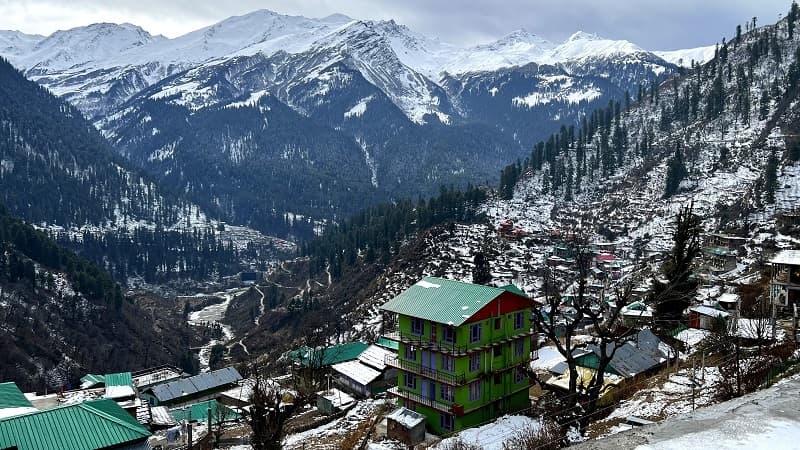
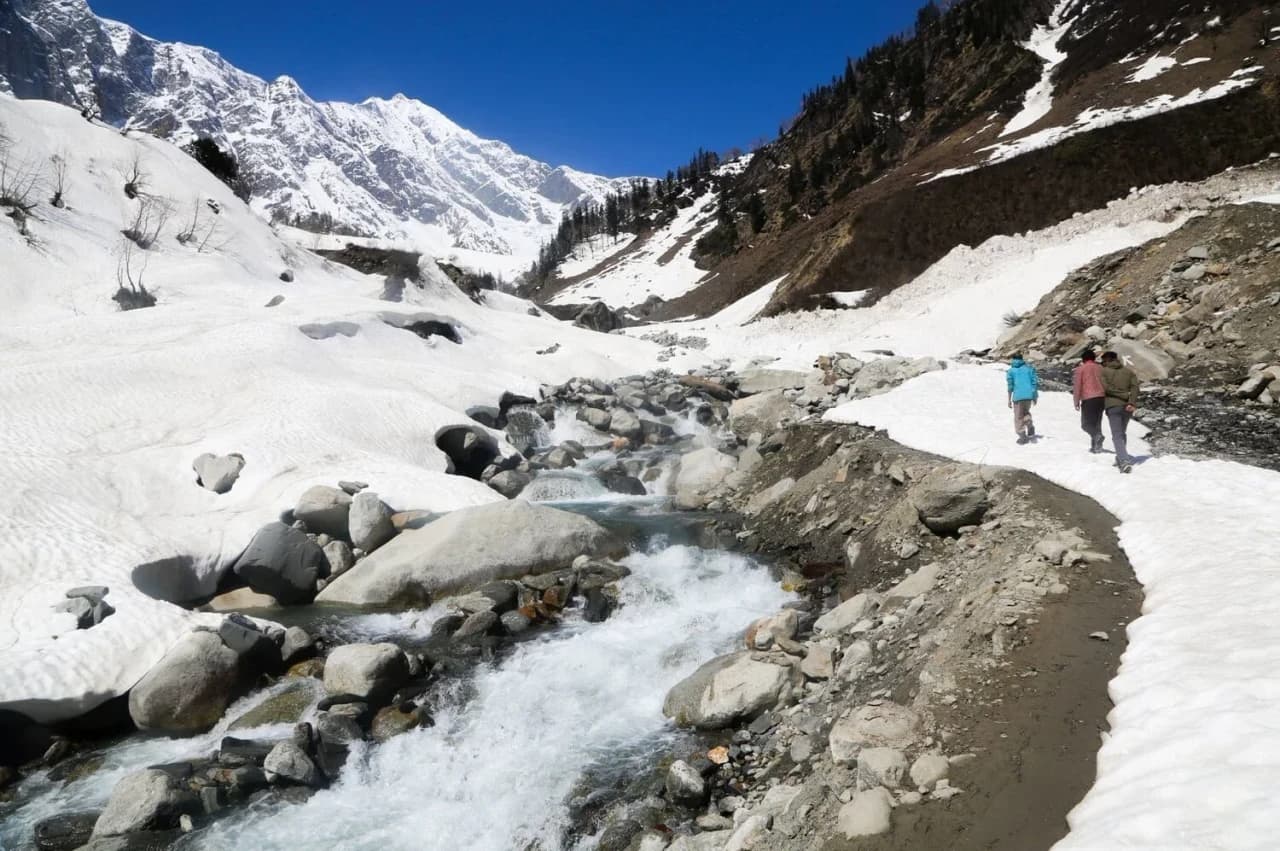
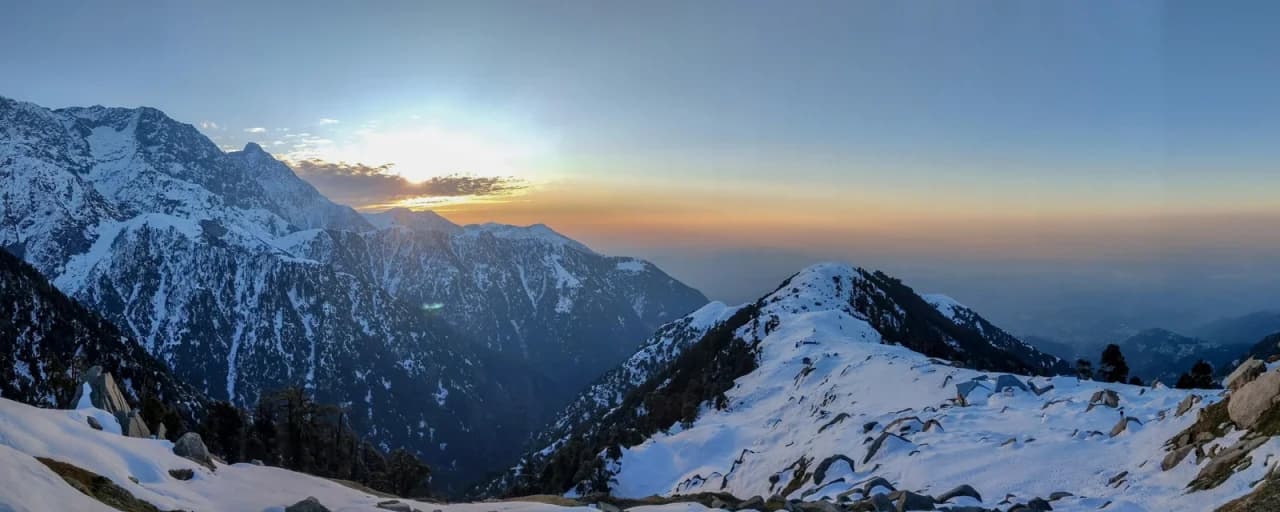
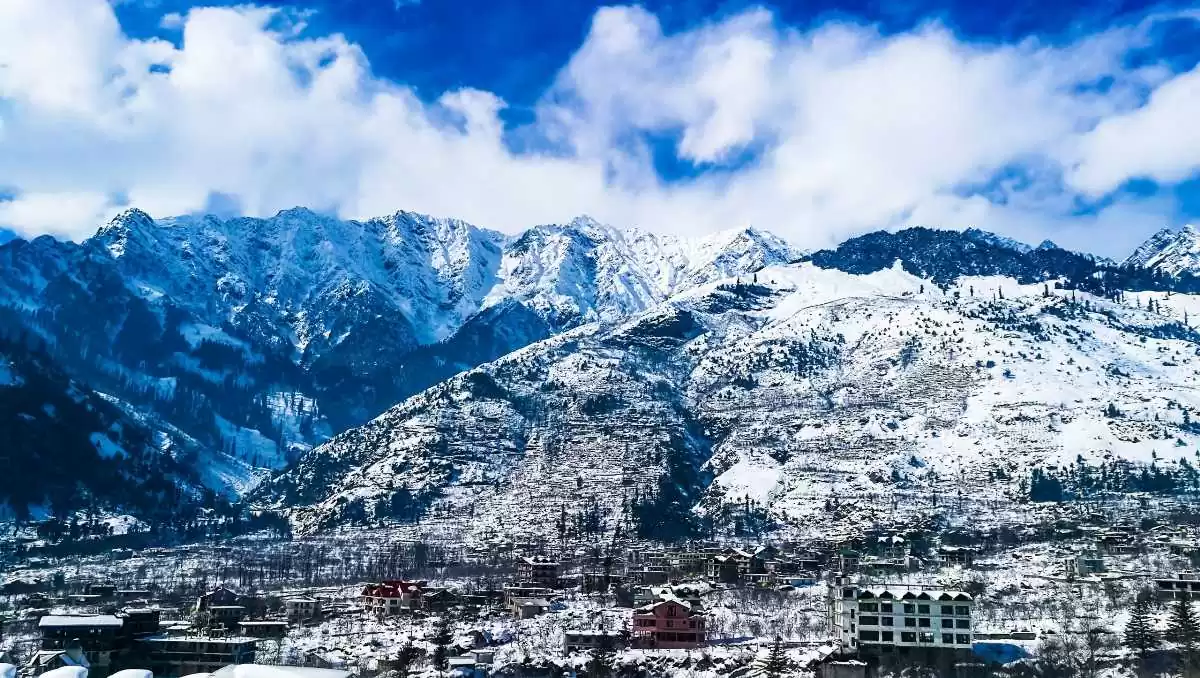
he Hampta Pass Trek stands among India's most dramatic Himalayan journeys, offering a unique crossover experience from the lush green Kullu Valley to the stark, barren landscapes of Spiti Valley. At an altitude of 4,270 meters (14,010 feet), this moderate-to-challenging 5-6 day trek traverses diverse terrains – verdant forests, expansive alpine meadows, glacier-fed rivers, steep rocky ascents, and high-altitude desert plateaus. The dramatic contrast between the two valleys, separated by just one mountain pass, showcases nature's incredible diversity within a short distance. Hampta Pass isn't just about reaching a summit; it's about experiencing the full spectrum of Himalayan ecosystems, testing your limits at high altitude, camping beside pristine mountain streams, and witnessing landscapes so surreal they seem from another planet. This trek has gained popularity among adventure seekers who want more than easy walks, offering substantial challenges with equally substantial rewards.
Day-by-Day Trek Breakdown
Day 1 begins with a drive from Manali to Jobra (2,850m), followed by a 3-hour trek to Chika (3,010m) through forests and streams. Day 2 is the longest, trekking 7-8 hours to Balu Ka Ghera (3,750m) through stunning meadows with views of Indrasan peak. Day 3 is the most challenging – an early start to cross Hampta Pass (4,270m), descending to Shea Goru (3,650m), totaling 8-9 hours with steep ascents and descents. Day 4 involves descending to Chatru (3,330m), entering Spiti's barren landscape. Day 5 often includes a side trip to stunning Chandratal Lake (4,300m) before returning to Manali. The itinerary can vary based on group fitness and weather conditions.
The Stunning Contrast: Green to Barren
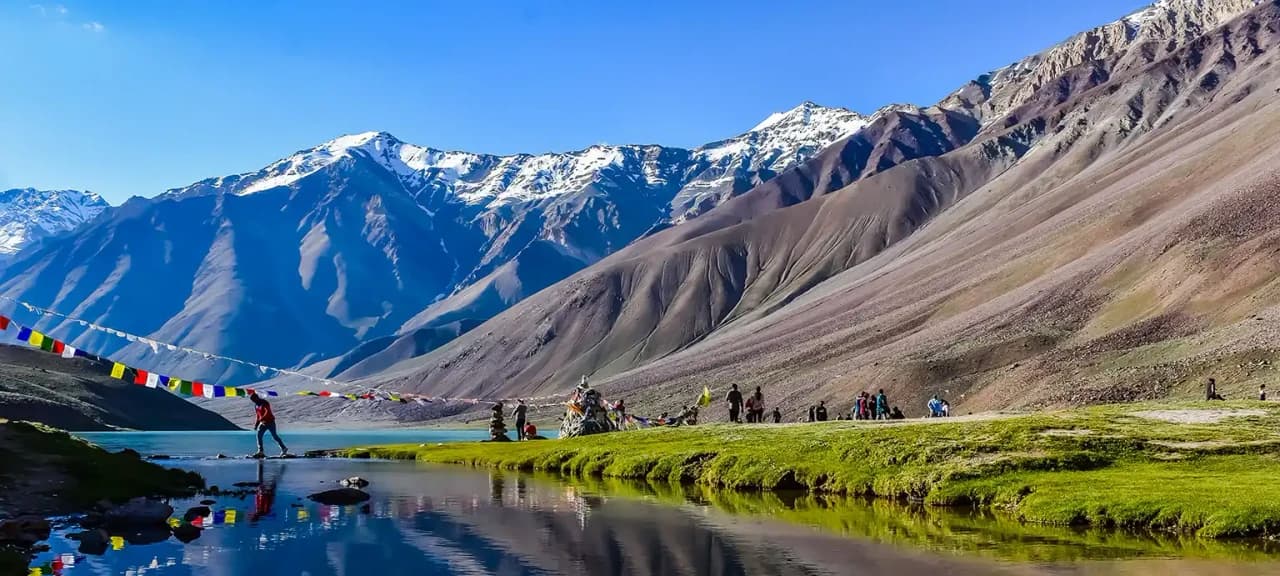
What makes Hampta Pass extraordinary is the dramatic geographical transformation within a single day. The trek begins in Kullu Valley's green embrace – thick forests, colorful wildflowers, rushing streams, and abundant vegetation. As you ascend toward the pass, meadows become more alpine, vegetation sparser. At the pass itself, you stand at the transition zone with green Kullu behind and barren Spiti ahead. Descending the other side, you enter a completely different world – Spiti's cold desert landscape with rocky mountains in browns and grays, minimal vegetation, and a harsh, raw beauty that contrasts sharply with Kullu's softness. This dramatic shift, experienced in a single trek, offers unique perspective on how mountain ranges create distinct microclimates and ecosystems.

Challenges and Altitude Considerations
Hampta Pass is rated moderate-to-difficult, demanding reasonable fitness and mental preparedness. The trek involves daily walking of 5-9 hours carrying a daypack (10-12 kg if not using porters). The pass crossing day is particularly tough with steep ascents on loose scree, potential snow sections requiring careful navigation, and thin air at 4,270 meters causing breathlessness. Altitude sickness is a real risk – symptoms include headache, nausea, and fatigue. Proper acclimatization (spending 1-2 days in Manali before starting), staying hydrated, maintaining a slow steady pace, and listening to your body are crucial. The weather can change rapidly at high altitudes with sudden snow, rain, or fog even in summer. Physical preparation should begin 4-6 weeks before the trek with cardio exercises, strength training, and practice hikes.
Chandratal Lake: The Crown Jewel
Most Hampta Pass itineraries include a visit to Chandratal (Moon Lake), a stunning high-altitude lake at 4,300 meters in Spiti Valley. The crystal-clear crescent-shaped lake, surrounded by barren mountains, reflects the sky like a mirror, creating surreal photography opportunities. The lake holds sacred significance for locals and attracts both trekkers and travelers via motorable routes from Spiti. Camping beside Chandratal under a star-filled sky is an unforgettable experience. The lake area has basic camping facilities and a few tea stalls but remains relatively pristine. Sunrise and sunset transform the lake's colors from deep blue to golden, pink, and purple hues. Many consider Chandratal the trek's highlight, making the challenging days absolutely worthwhile.

Best Time and Practical Information
The Hampta Pass trek is accessible only from June to early October when snow melts sufficiently for safe passage. June-July sees maximum snow on the pass, streams in full flow, and vibrant wildflowers – beautiful but more challenging. August-September offers the most stable weather with lesser snow, though monsoon rains can occasionally affect lower sections. Late September-October brings autumn colors and crystal-clear skies but colder temperatures. Winter (November-May) sees heavy snowfall making the pass completely inaccessible. Trekkers must go with organized groups or hire experienced guides as route-finding can be tricky, especially in snow. Permits are required for Chandratal area. Mobile connectivity is non-existent after leaving Manali until returning to Chatru/Batal.
“
"Hampta Pass teaches you that transformation isn't always gradual – sometimes, you cross a threshold and find yourself in an entirely different world, both outside and within."
— Seasoned Trekker, 2024
Key Takeaways
Practical Tips
Join organized trek groups for safety – route-finding is challenging
Spend 2 days in Manali for acclimatization before starting
Train specifically for high-altitude trekking with cardio and strength exercises
Carry high-quality trekking shoes with ankle support and good grip
Bring adequate warm clothing – temperatures can drop to -5°C at night
Use trekking poles for stability, especially during pass crossing
Carry personal medication including for altitude sickness (after doctor consultation)
Pack sunscreen, sunglasses, and lip balm – UV radiation is intense
Maintain slow, steady pace – it's not a race
Stay hydrated – drink at least 3-4 liters of water daily
Follow guide's instructions strictly, especially regarding altitude gain
Carry cash – no ATMs or digital payment options available
Purchase comprehensive travel insurance covering high-altitude trekking
13 tips to help you on your journey
The Hampta Pass Trek is a transformative journey that demands effort, rewards abundantly, and leaves indelible marks on your soul. From Kullu's green cradle to Spiti's barren magnificence, from challenging ascents to soul-stirring campsites beside glacier streams, from the triumph of crossing the pass to the awe of Chandratal's beauty – every moment contributes to an adventure that defines what Himalayan trekking truly means. This isn't a walk in the park; it's a test of endurance, a celebration of nature's diversity, and a lesson in humility before the mountains. Those who complete it don't just return with photographs and stories – they return changed, carrying within them the strength they discovered, the friendships they forged, and the profound respect earned from crossing a Himalayan pass. The mountains, having tested you and found you worthy, let you pass through their realm, blessing you with memories that warm your heart every time cold winds remind you of those days when you stood at 4,270 meters, breathing thin air, feeling infinite.
Pankaj Kumar Meena
AuthorHigh-altitude trekking specialist with expertise in Himalayan crossover routes. Follow along for more travel stories, photography tips, and destination guides from around the world.