t 2,460 meters above sea level, Bijli Mahadev Temple stands as one of Himachal Pradesh's most fascinating sacred sites. Located in Kullu Valley, this ancient Shiva temple is famous for a miraculous phenomenon – every year, a divine lightning bolt strikes the 60-foot-high temple staff (flag), shattering the Shivling inside into pieces. The temple priest then performs rituals to join these pieces back together using butter and sattoo (holy flour mixture), and miraculously, they bind together! This incredible occurrence, whether viewed as divine intervention or a unique natural event, has made Bijli Mahadev a pilgrimage site that blends faith, mystery, and adventure. The trek to this temple offers not just spiritual rewards but also some of the most breathtaking 360-degree views of the Kullu and Parvati valleys.
The Lightning Legend and Miracle
According to local legend, the demon Kulant terrorized the valley until Lord Shiva intervened by drawing all lightning unto himself. He continues to do so through the temple's sacred staff, protecting the valley. Every 12-13 months, lightning strikes the staff during storms, channeling through it to the Shivling below, shattering it into numerous pieces. The head priest then performs ancient rituals over several days, mixing butter and sattoo (roasted barley flour) to join the pieces. Within weeks, the Shivling becomes whole again, solid enough to be worshipped. Scientists have attempted to explain this as static electricity buildup due to the temple's location and staff's height, but locals maintain it's divine will. Witnessing this miracle is considered extremely auspicious.
The Trek: Through Forest and Meadows
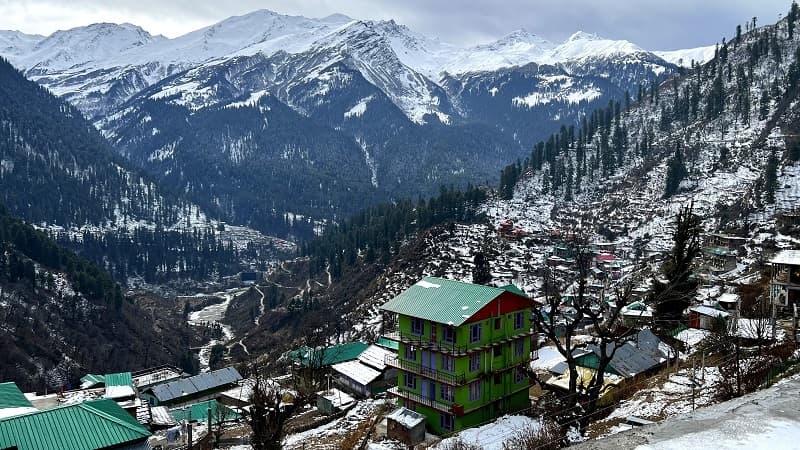
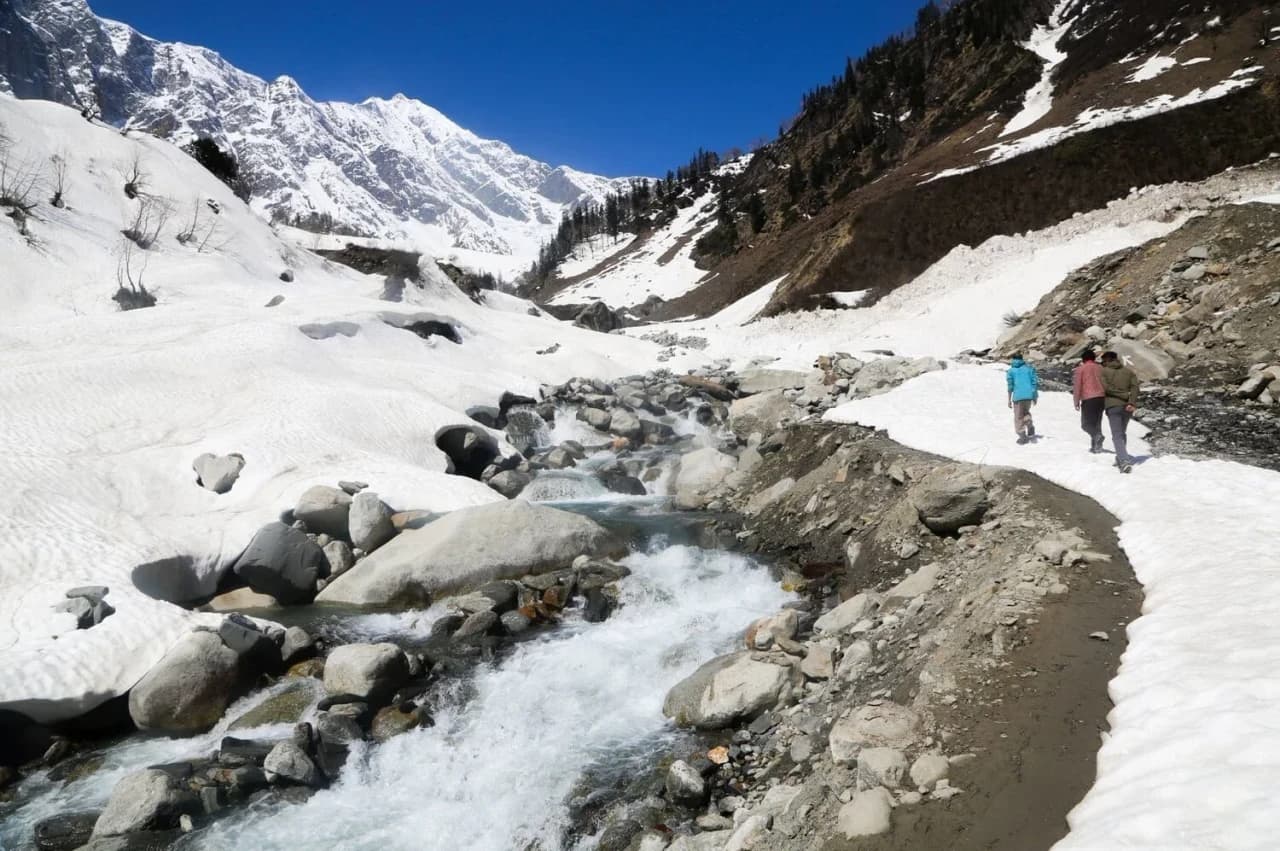
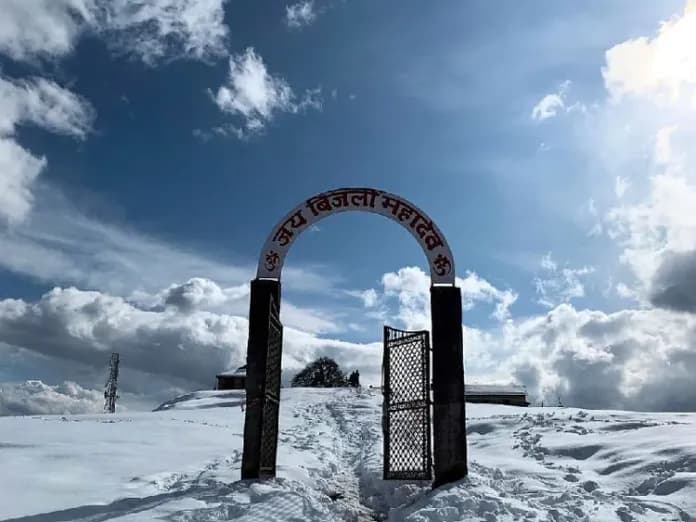
The trek to Bijli Mahadev begins from Chansari village, about 14km from Kullu town. The well-maintained 3-kilometer trail winds through dense deodar and pine forests, offering shade and fresh mountain air. The moderate ascent takes 1.5 to 2 hours, with several rest points along the way. As you climb higher, the forest opens to reveal stunning views of the Kullu Valley on one side and Parvati Valley on the other. The final approach to the temple crosses open meadows where wildflowers bloom in summer and snow blankets the ground in winter. The trek is suitable for all age groups with basic fitness levels.
Panoramic Valley Views
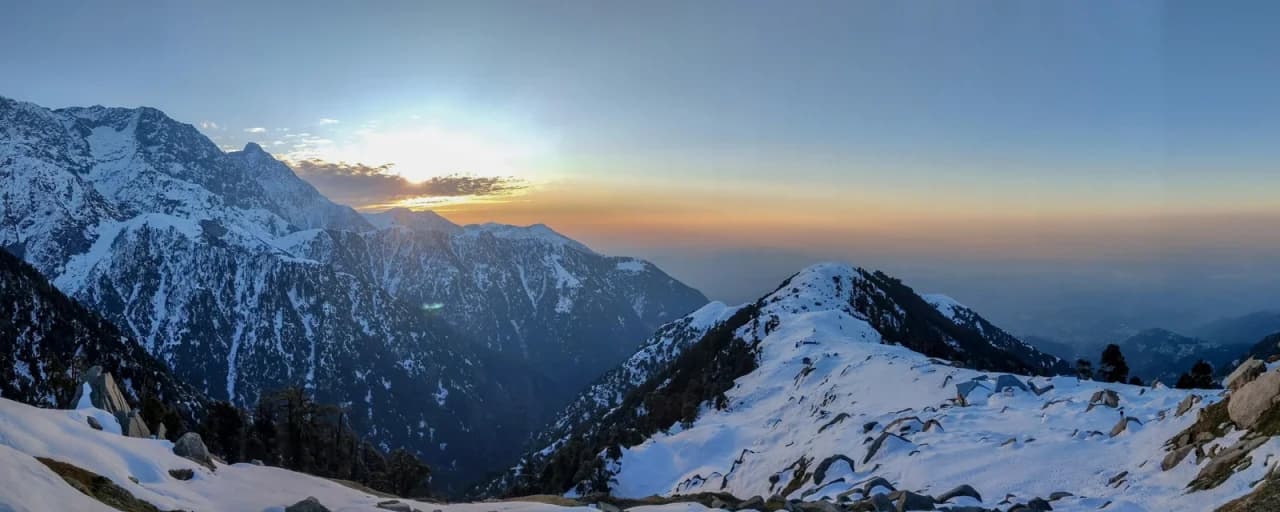
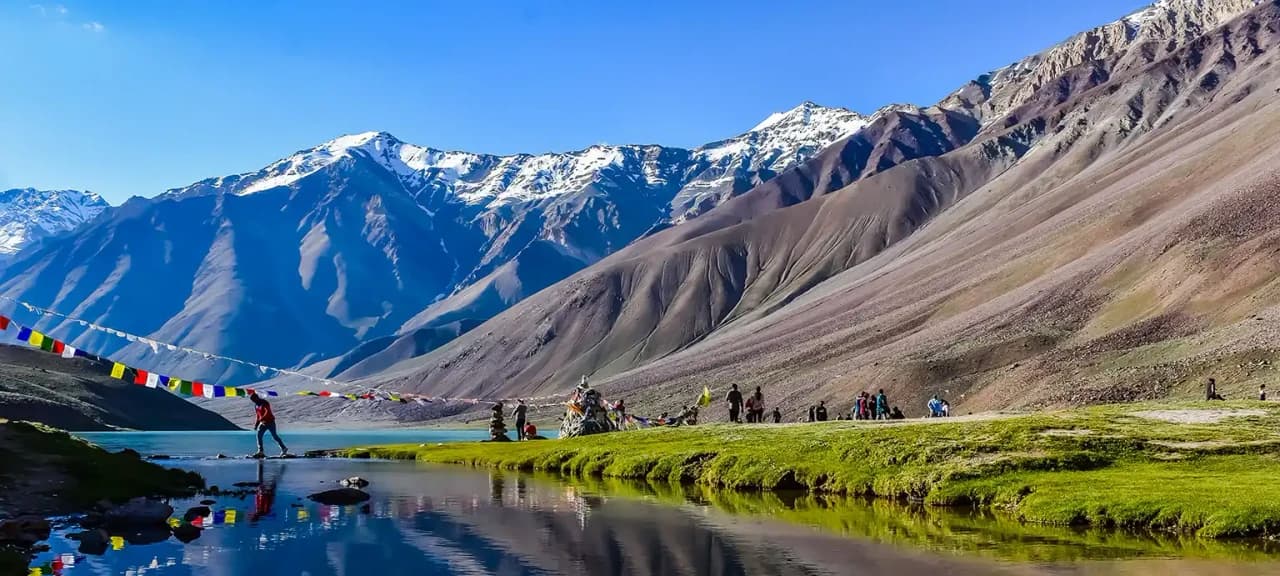
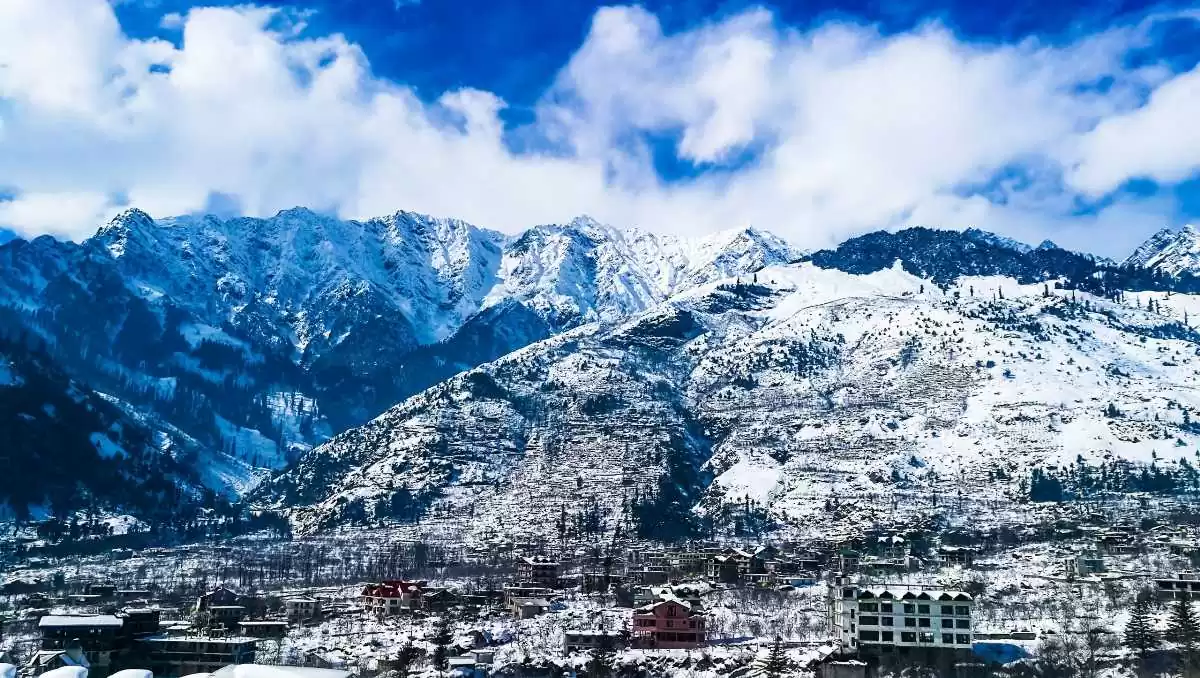
What sets Bijli Mahadev apart from other temples is its spectacular 360-degree vantage point. From the temple courtyard, you can see the entire Kullu Valley spread below like a painted canvas – the silver Beas river snaking through green fields, villages dotting the landscape, and snow-capped peaks forming a majestic backdrop. On clear days, you can spot Rohtang Pass in the distance. The Parvati Valley is equally visible on the other side, with mountains layering into the horizon. Sunset and sunrise views from here are particularly stunning, with changing light painting the valleys in golden, orange, and purple hues. Photography enthusiasts will find endless compositions.

Temple Architecture and Surroundings
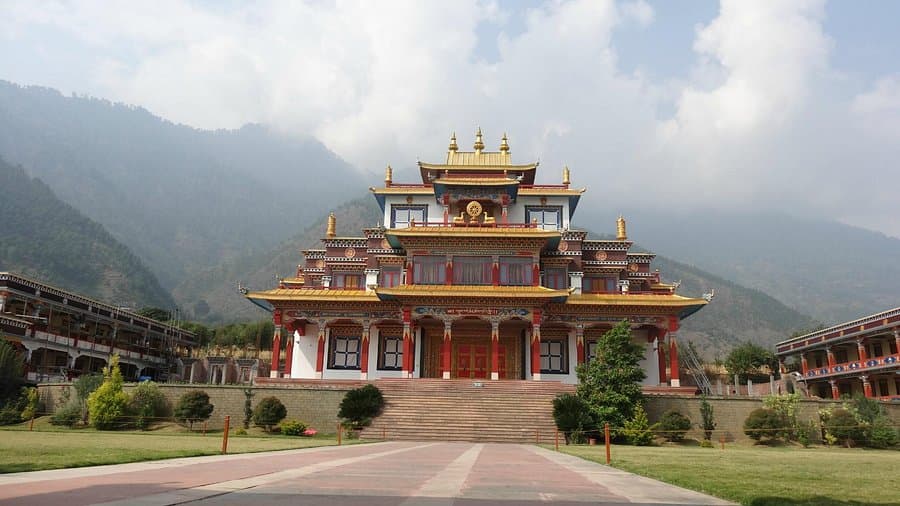
The temple structure itself is relatively simple, built in traditional Himachali style with stone and wood. The towering iron staff rising 60 feet into the sky dominates the temple complex, acting as a lightning conductor and sacred symbol. Inside the main sanctum, the Shivling is kept in a protected shrine. The temple walls feature carvings depicting various forms of Lord Shiva. A small priest quarter and a rest house for pilgrims complete the complex. The surrounding area has peaceful spots perfect for meditation or simply sitting in nature's lap. Prayer flags flutter in the mountain breeze, adding colorful charm to the sacred atmosphere.
Best Time to Visit and Practical Information
April to June offers the most pleasant trekking conditions with clear skies and moderate temperatures. The trek becomes magical during monsoon (July-September) when clouds play hide and seek with valleys, though you should be prepared for slippery trails and possible lightning (which adds to the temple's mystique!). October to November provides crystal-clear views with crisp mountain air. December to March covers the region in snow, making the trek challenging but incredibly beautiful for experienced winter trekkers. The temple remains open year-round, though it's advisable to check weather conditions before planning your visit. The annual lightning event typically occurs during monsoon season, attracting many devotees.
“
"At Bijli Mahadev, you witness the dance between heaven and earth, where lightning speaks of divinity and mountains stand as eternal witnesses to miracles."
— Temple Devotee, 2024
Key Takeaways
Practical Tips
Start early morning to avoid afternoon heat and enjoy sunrise views
Wear comfortable trekking shoes with good grip
Carry water and snacks – limited options available
Respect temple customs – remove footwear before entering
Don't touch the Shivling or sacred staff without permission
Photography is allowed but ask before clicking devotees
Avoid trekking during heavy rains or lightning storms
Carry light woolens even in summer – it gets windy and cold
Make small donation to support temple maintenance
Combine with visits to nearby Raghunath Temple and Kullu town
Hire local guides to learn fascinating stories and legends
11 tips to help you on your journey
Bijli Mahadev is where mythology meets reality, where science bows to mystery, and where nature's grandeur becomes the temple's architecture. The trek offers adventure, the views provide awe, the legend sparks curiosity, and the temple atmosphere brings peace. Whether you're a devotee seeking divine blessings, a trekker chasing Himalayan views, or a curious traveler exploring mystical phenomena, Bijli Mahadev delivers an experience that resonates long after you've descended. In a world increasingly disconnected from nature and spirituality, this lightning temple reminds us that there are still places where the extraordinary occurs, where faith is rewarded, and where mountains hold secrets that science cannot fully explain.
Pankaj Kumar Meena
AuthorMythology enthusiast and trekking guide exploring sacred Himalayan sites. Follow along for more travel stories, photography tips, and destination guides from around the world.