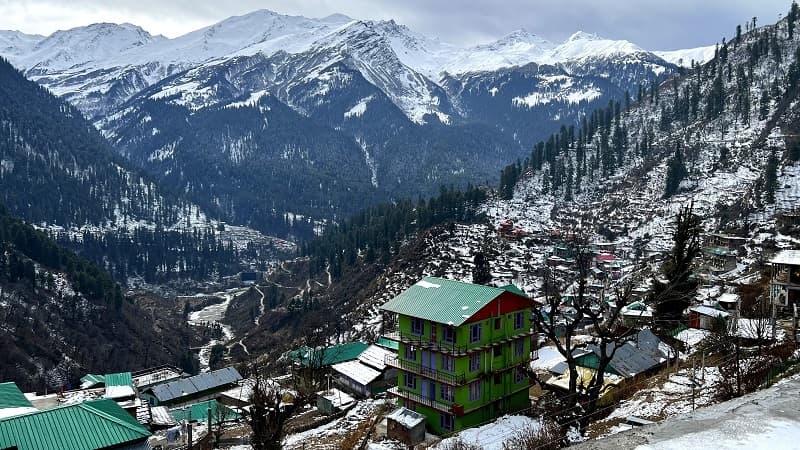
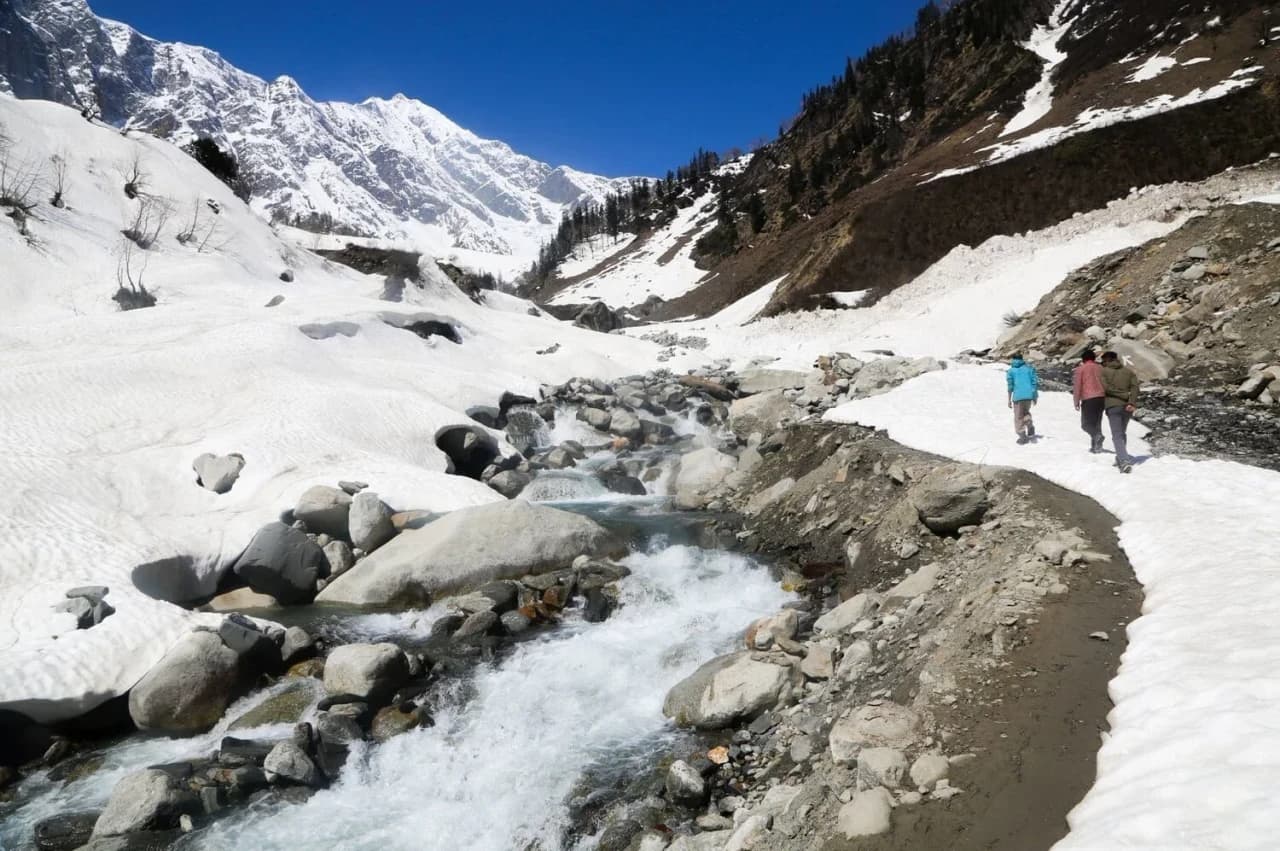
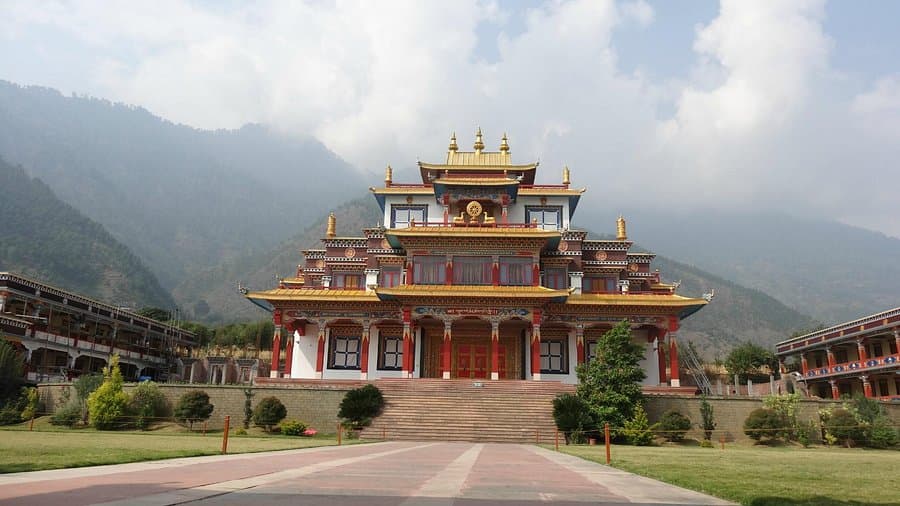
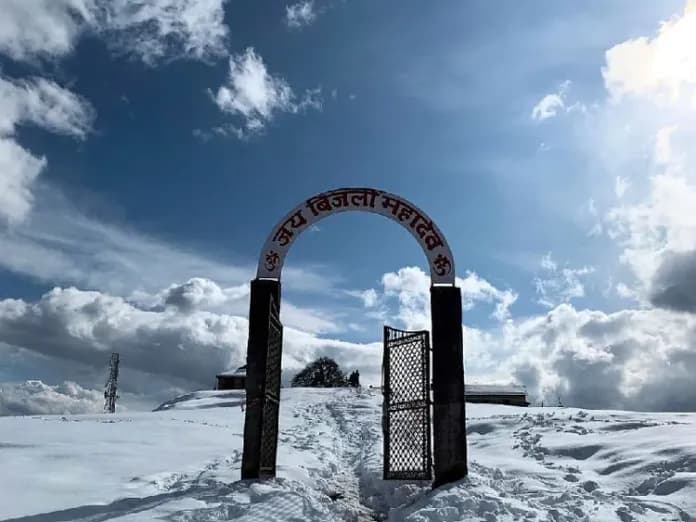
ungasi Mahadev Temple, nestled in dense pine forests near Mandi, offers a perfect blend of spiritual quest and nature immersion. This ancient Shiva temple, accessed via a scenic forest trek, attracts both devotees seeking blessings and nature lovers seeking tranquility. The journey through fragrant pine groves, the temple's peaceful atmosphere, and the surrounding natural beauty make Tungasi Mahadev an ideal destination for those seeking spiritual solace away from commercialized pilgrimage sites.
The Temple: History and Spiritual Significance
Tungasi Mahadev is an ancient temple dedicated to Lord Shiva, believed to be several centuries old. Local legends associate it with Shiva's meditation during cosmic events, and the naturally formed Shiva lingam in the sanctum is considered highly sacred. The temple's architecture reflects traditional Himachali style with stone and wood construction. Unlike grand pilgrimage sites, Tungasi's charm lies in its simplicity and the devotional atmosphere created by the surrounding forest. The temple sees regular worship by locals, with major celebrations during Maha Shivratri and Shravan month (July-August).

The Pine Forest Trek: A Meditative Journey
The 3-4 kilometer trek to Tungasi Mahadev is a meditative experience in itself. The trail winds through dense pine forests where sunlight filters through creating a cathedral-like ambiance. The fragrance of pine resin, the soft carpet of fallen needles underfoot, and the silence broken only by bird calls create a naturally contemplative atmosphere. The trail is relatively easy with gentle ascents, making it accessible to people of all ages. Many visitors report that the forest walk itself becomes a form of moving meditation, preparing the mind and spirit for the temple visit.

Forest Ecology and Wildlife
The pine forests surrounding Tungasi Mahadev are ecologically rich. The dominant Chir pine (Pinus roxburghii) creates a unique ecosystem. The forest floor, covered with pine needles, supports specific plant species adapted to acidic soil. Bird watchers can spot numerous Himalayan species including various thrushes, nuthatches, and occasionally the Himalayan woodpecker. Langurs are commonly seen in the canopy. The forest also has medicinal plants used in traditional Ayurvedic medicine. Educational signage along the trail (where available) helps visitors appreciate the ecological importance of these forests.
Meditation and Spiritual Practices
Tungasi Mahadev is particularly favored by spiritual practitioners for meditation and yoga. The temple courtyard and surrounding forest clearings provide peaceful spaces for practice. The natural silence, broken only by forest sounds, creates ideal conditions for meditation. Many visitors come specifically for day-long or overnight meditation retreats. The temple authorities allow devotees to stay in basic facilities for spiritual practices. Early morning visits offer the most peaceful atmosphere, with sunrise meditation amidst the pines being a particularly transformative experience reported by regular visitors.
Best Time to Visit and Practical Information
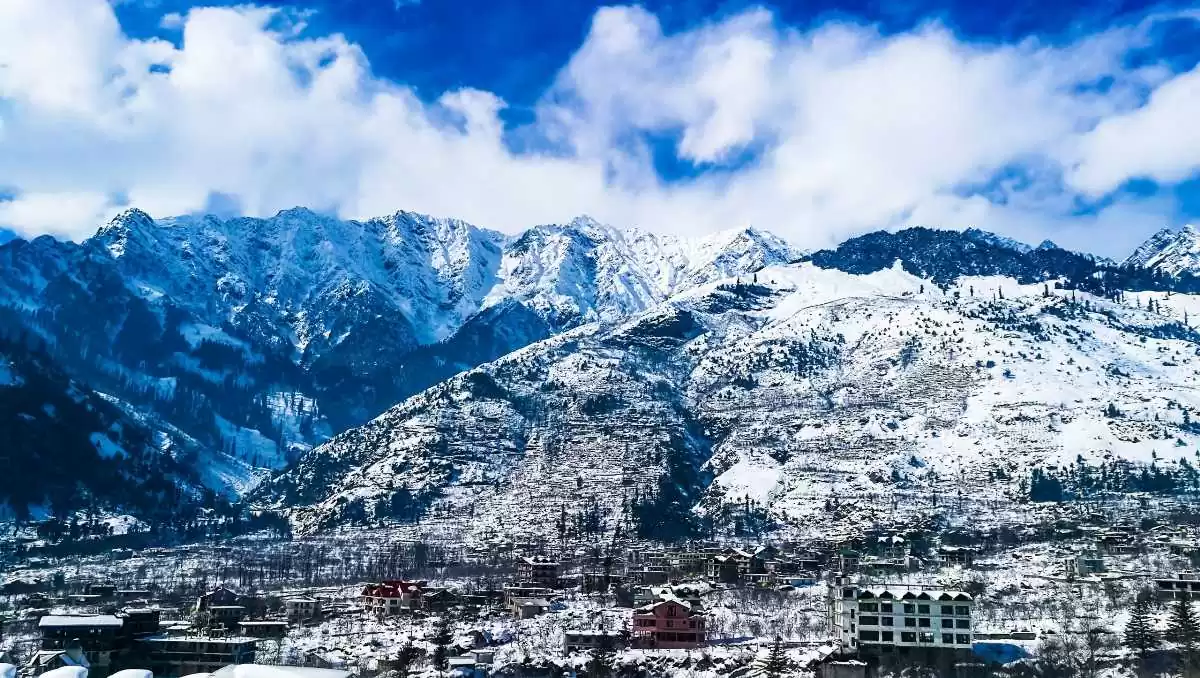
Tungasi Mahadev is accessible year-round with different seasonal charms. April to June offers pleasant weather and is ideal for forest walks. Monsoon (July-September) makes the forest lush but trails can be slippery. October-November provides clear skies and comfortable temperatures. Winter (December-February) sees snowfall, transforming the area into a winter wonderland, though warm clothing is essential. During Maha Shivratri and Shravan, the temple sees increased visitors. For a peaceful experience, weekdays are less crowded than weekends.
“
"At Tungasi, the pines are your fellow devotees, their rustling a constant prayer. The forest is the temple approach, teaching you silence before you even reach the sanctum."
— Regular Meditator at Tungasi, 2024
Key Takeaways
Practical Tips
Wear comfortable walking shoes – trail is easy but proper footwear recommended
Start early morning for the most peaceful and meditative experience
Carry water and light snacks – limited facilities at the temple
Dress modestly for temple visit – cover shoulders and knees
Photography allowed in forest but may be restricted inside temple
Carry a meditation cushion if planning to meditate for extended periods
Respect the forest – don't litter or pick plants
Warm layers recommended even in summer – forest shade can be cool
Temple stays are basic – carry your own bedding if planning overnight
Maintain silence on the trail and at temple – respect the meditative atmosphere
10 tips to help you on your journey
Tungasi Mahadev offers a rare combination of spiritual significance and natural beauty that nourishes both soul and senses. Unlike crowded pilgrimage sites, here you can experience devotion in its purest form – simple, peaceful, and deeply connected to nature. Whether you're a devotee of Lord Shiva, a nature lover, or simply someone seeking peace, the trek through pine forests to this ancient temple near Mandi provides an experience that calms the mind and elevates the spirit. It's a reminder that sometimes the most profound spiritual experiences come from the simplest settings.
Aman Verma
AuthorSpiritual trekking guide and forest ecology enthusiast. Follow along for more travel stories, photography tips, and destination guides from around the world.