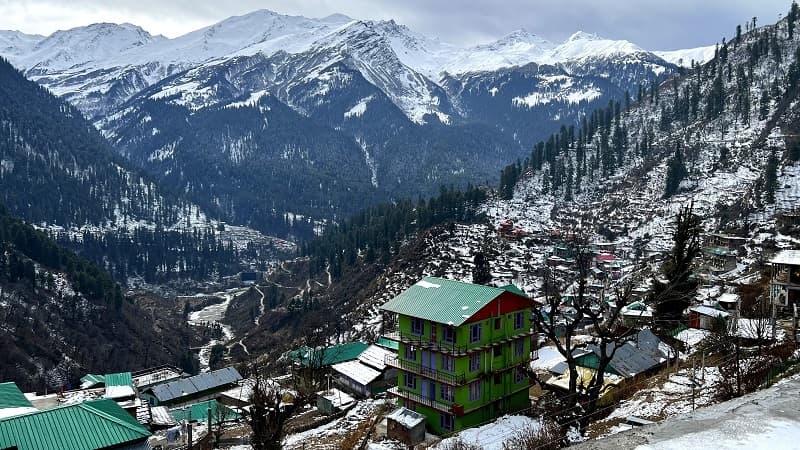
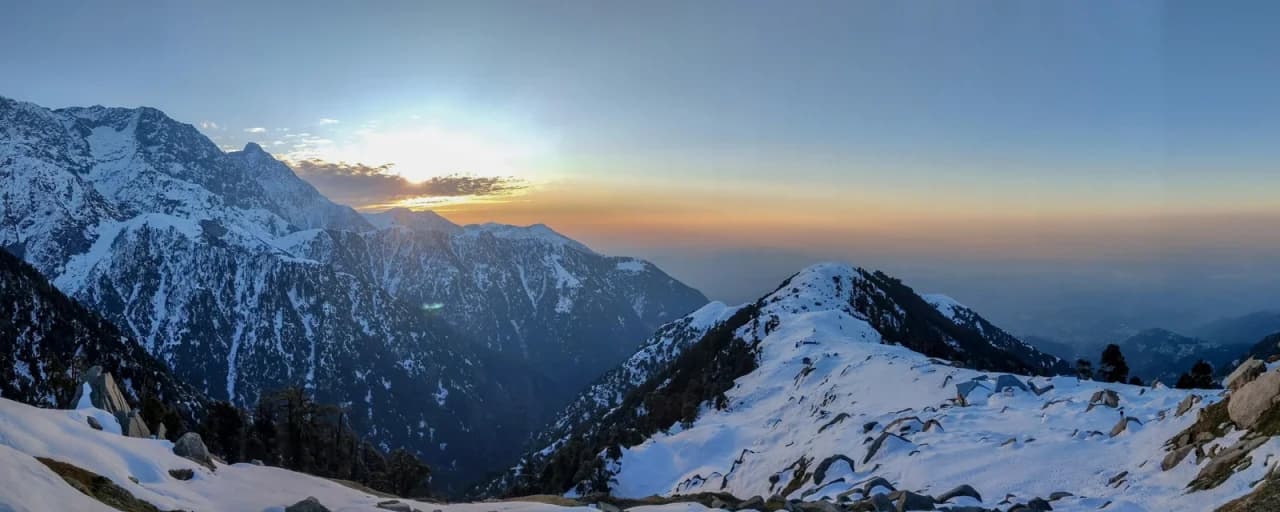
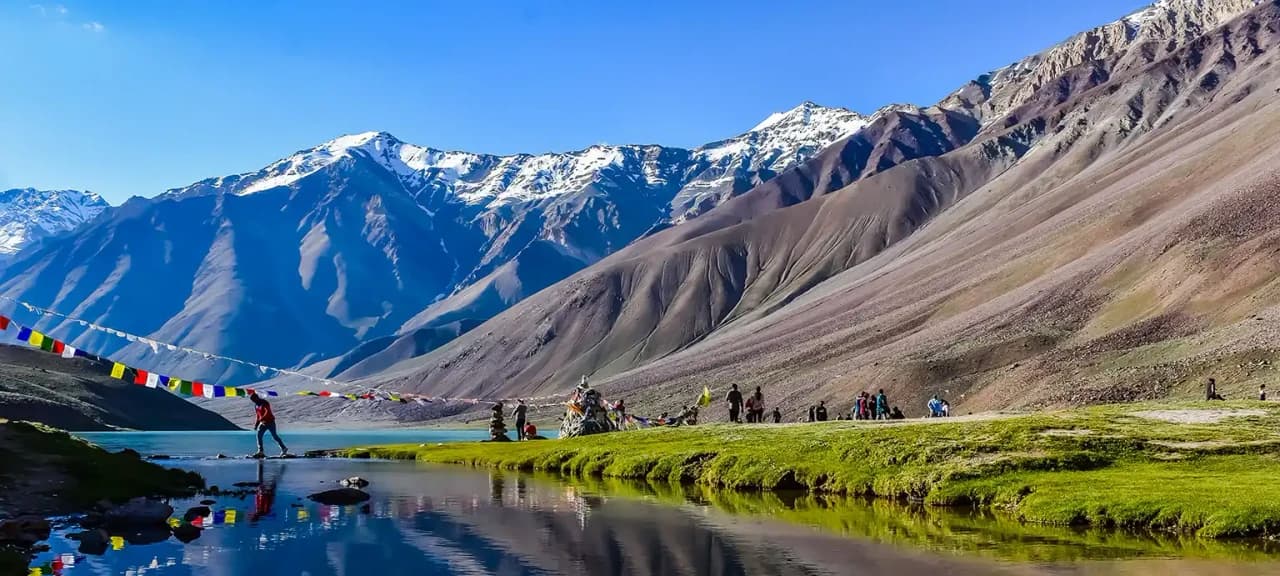
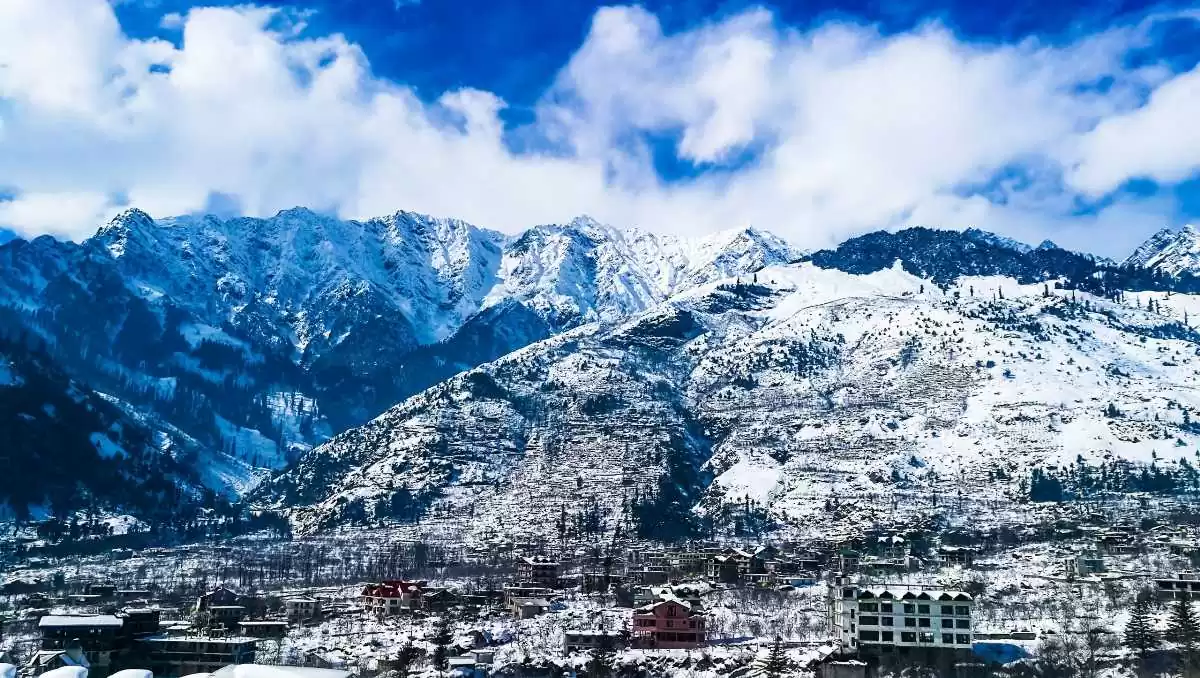
ahaul Valley occupies that rare position on the traveler's map: well-known enough to be reached by those who seek it, yet remote enough to remain genuinely unspoiled for those who arrive. Situated in Himachal Pradesh's Lahaul-Spiti district, this high-altitude valley is the child of two rivers — the Chandra and the Bhaga — which merge at the ancient settlement of Tandi to form the mighty Chenab. Lahaul's landscape is a dramatic departure from the green hills of southern Himachal: here, glaciers cascade from peaks exceeding 6,000 meters, barren scree slopes rise from river gorges in tones of brown and ochre, and ancient Buddhist monasteries cling to cliffs above valleys of apricot orchards and barley fields. The Atal Tunnel, opened in 2020 and connecting Manali to Lahaul through a 9-kilometer bore beneath the Rohtang Pass, has transformed the valley's accessibility — what once required crossing a treacherous high-altitude pass is now a 10-minute drive. Yet Lahaul remains less visited than Spiti or Ladakh, offering travelers who venture here a trans-Himalayan experience with fewer crowds, more authentic village encounters, and the particular atmosphere of a landscape shaped equally by glaciers, Buddhist philosophy, and centuries of adaptation to one of the world's harshest inhabited environments. To drive through Lahaul with the Chandra River roaring below, glaciers suspended above, and prayer flags streaming from every ridge, is to understand that the Himalayas are not simply mountains — they are a complete and ancient world.
Geography and Key Destinations
Lahaul's main valley follows the Chandra River from its source near Baralacha La to its confluence with the Bhaga at Tandi, while the Bhaga drains the region from Darcha in the north. Keylong is the district headquarters and the valley's largest settlement — a compact town with restaurants, guesthouses, and basic services that serves as a base for exploring the region. From Keylong, the Garsang and Shansha monasteries are easily reachable, as are the traditional villages of Gemur and Triloknath, which hosts a famous temple revered by both Hindus and Buddhists. The Chandra Valley, extending from Gramphoo to Baralacha La (4,890m), contains some of Lahaul's most dramatic scenery — the Bara Shigri Glacier, one of Asia's largest non-polar glaciers at over 25 km in length, terminates near the road and can be approached on a day trek. Chandratal Lake (see companion article) sits at the head of this valley. The Bhaga Valley, running north from Tandi through Darcha and onward to Baralacha La from the Leh side, is the historic caravan route between Lahaul and Ladakh. Suraj Tal, the lake at the base of Baralacha La from which the Bhaga River originates, is another spectacular high-altitude water body accessible to travelers on the Manali-Leh highway.

The Bara Shigri Glacier: An Ice Giant
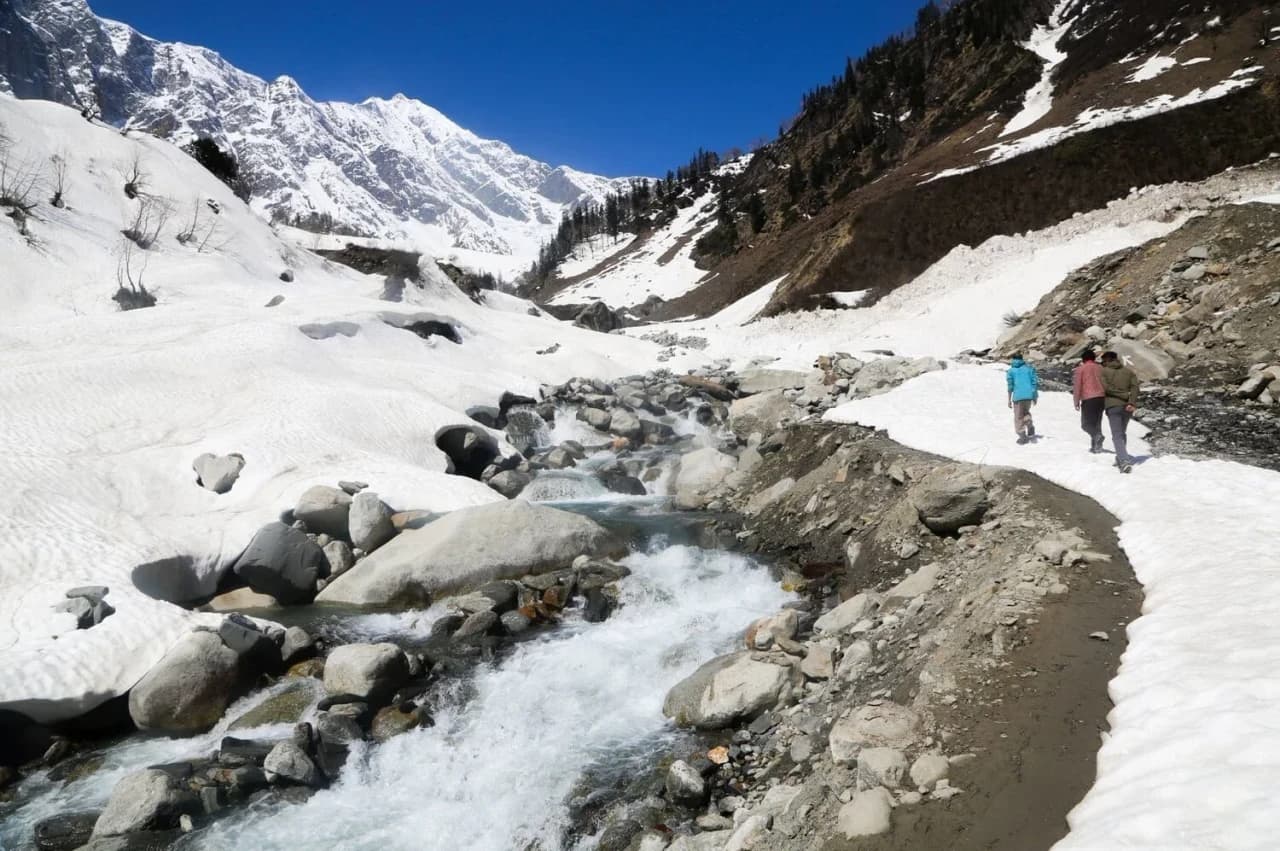
The Bara Shigri Glacier is Lahaul's most dramatic natural feature — a 25-kilometer river of ice that descends from the Kullu-Lahaul watershed, the longest glacier in the Himachal Himalayas and one of Asia's largest glaciers outside of polar regions. The glacier's terminus, which sits close to the Manali-Kaza highway, is accessible on a half-day trek from the road, giving visitors an extraordinary close-up experience of glacial terrain. The trek to the glacier's snout crosses moraine fields — vast piles of boulders and debris deposited by the advancing ice — and rewards walkers with the sight and sound of active glacial meltwater. The ice face at the terminus is streaked with debris and riddled with meltwater tunnels through which streams emerge with thunderous force. Climate scientists monitoring the Bara Shigri document consistent retreat consistent with regional climate patterns — making visits here not just spectacular but sobering, as you witness firsthand the tangible impact of planetary warming on ancient ice. More ambitious trekkers can access higher elevations of the glacier as part of multi-day expeditions, though this requires experienced guides and appropriate equipment. The glacier's surrounding moraines and lateral valleys contain excellent opportunities for wildlife observation — snow leopards are occasionally spotted in the high crags above the glacier, while wolf, Tibetan fox, and Himalayan snow cock are more regularly seen.

Ancient Monasteries and Buddhist Heritage
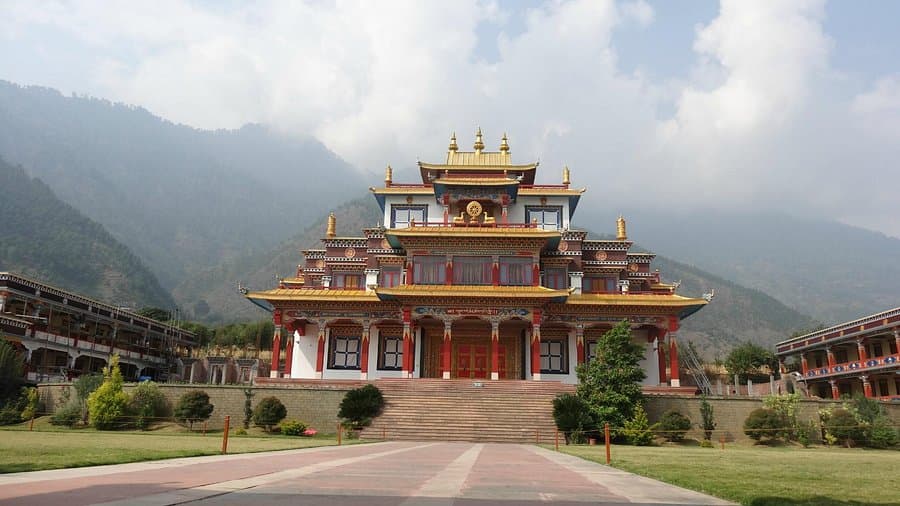
Lahaul's Buddhist heritage is as rich as its natural scenery, though less celebrated than the monasteries of nearby Spiti. The valley was historically part of the trans-Himalayan trade and pilgrimage route, and its monasteries reflect centuries of cultural exchange between Tibetan, Ladakhi, and Himachali traditions. Guru Ghantal Gompa, considered Lahaul's oldest monastery and believed to have been founded by Padmasambhava himself in the 8th century, sits on a dramatic clifftop above the Chandra Valley near Tupchiling. Its ancient thangkas and murals, though deteriorated, retain powerful artistic force. Kardang Monastery, across the Bhaga River from Keylong, is one of the valley's most active monastic centers and can be reached via a scenic bridge and short hike — the monks here are welcoming and the monastery's hilltop position offers superb valley views. Triloknath Temple, dedicated simultaneously to Shiva and Avalokitesvara (a rare Hindu-Buddhist syncretism), attracts pilgrims of both faiths, particularly during the annual Pauri festival in August when thousands gather for three days of religious celebration and cultural programs. Shashur Monastery, founded in the 17th century near Keylong, houses impressive traditional paintings and conducts annual festivals including masked Cham dances. These religious sites are not tourist attractions but living institutions serving communities whose faith has sustained them through centuries of extreme isolation and hardship.
Lahaul Villages and Agricultural Traditions
The villages of Lahaul demonstrate remarkable human adaptability to extreme conditions. Agriculture at 3,000-4,000 meters is possible only in the brief summer window between May and September — locals plant and harvest within this narrow window, then spend the remaining seven months largely confined by snow and cold. The main crops are potato (for which Lahaul is famous throughout India — the region supplies seed potatoes to farmers across the country due to the high altitude's pest-resistance properties), barley, peas, and hops (used in Indian beer production, with Lahaul being a significant hops-producing region). Apricot and apple orchards contribute additional income, and the dried apricots of Lahaul are among the finest in India. Traditional architecture employs the same mud-brick and timber construction as Spiti, with flat roofs and south-facing orientations maximizing solar gain during cold months. Houses typically have a winter ground floor for livestock and a summer upper floor for human habitation — the animals' body heat helping warm the inhabited spaces during winter. Village women maintain traditional handloom weaving traditions, producing warm woolen fabrics that have sustained mountain communities through centuries of extreme winters. Purchasing these textiles directly from village weavers — rather than from Manali shops that often import mass-produced alternatives — is both a superior quality choice and a direct economic contribution to Lahaul's communities.
Trekking and Adventure in Lahaul
Lahaul serves as both destination and gateway for an extraordinary array of trekking and adventure opportunities. The valley is the northern terminus (or start point) for the Hampta Pass trek, the starting region for the Batal-Chandratal-Kunzum circuit, and one approach to the Baralacha La crossing on the Manali-Leh highway. The Lahaul-Zanskar trek connects Lahaul to the remote Zanskar valley through uninhabited terrain — a 10-14 day expedition for experienced mountaineers. Miyar Valley, a lateral valley joining Lahaul near Udaipur, provides access to some of the most spectacular and least-visited glacial terrain in the Indian Himalayas, with several 6,000-meter peaks suitable for technical mountaineering. River rafting on the Chandra River near Tandi offers Class III-IV rapids through dramatic gorge scenery. Cycling the Manali-Leh highway section through Lahaul is one of India's ultimate cycling challenges — extreme altitude, rough road surfaces, and dramatic landscapes combining for an experience that brings cyclists from around the world. Rock climbing opportunities exist on the valley's numerous cliff faces, though this requires setting up routes on virgin rock. The combination of accessibility via the Atal Tunnel and the variety of adventure options makes Lahaul an increasingly popular base for multi-activity Himalayan adventures.
“
"Lahaul is what the Himalayas look like when they stop trying to be picturesque and simply are — raw, indifferent, glaciated, and magnificent in a way that requires no embellishment."
— Trans-Himalayan Traveler, 2024
Key Takeaways
Practical Tips
Use the Atal Tunnel from Manali for easier access — eliminates Rohtang Pass crossing
Keylong is the ideal base for exploring the entire valley — book guesthouses in advance
Acclimatize properly — Lahaul's average altitude of 3,000-4,000m requires adjustment
Carry sufficient cash — ATMs in Keylong often face connectivity issues
Visit Bara Shigri Glacier early morning to minimize rockfall risk on moraines
Hire local guides for glacier treks — terrain is technical and route-finding difficult
Check Atal Tunnel opening times — there are scheduled windows for vehicles
Carry warm clothing for evenings even in July — temperatures drop sharply
Purchase local potatoes and dried apricots — support Lahaul's agricultural economy
Respect monastery protocols — remove shoes, maintain silence, dress modestly
Check road conditions if using Manali-Leh highway — weather affects road status
Allow at least 3-4 days in Lahaul — rushing through misses its subtle charms
12 tips to help you on your journey
Lahaul Valley occupies a singular position in Himachal Pradesh's landscape of wonders — dramatic enough to astonish, remote enough to remain genuine, accessible enough for those who seek it without being overwhelmed by those who don't. The combination of the Bara Shigri Glacier's ice-world magnificence, the ancient monasteries' spiritual gravity, the villages' extraordinary human resilience, and the landscape's sheer geological drama creates a destination that rewards curiosity, preparation, and patience equally. The Atal Tunnel has opened Lahaul to year-round possibility in a way that changes the valley's future, but for now it remains a place where the overwhelming sensation is of vastness — of sky, of mountain, of ancient time — and the proportionality reminder that the human figures moving through this landscape are very small, very brief, and very fortunate to be here. Go to Lahaul to be humbled, to be astonished, and to find in its glaciers and gorges and ancient prayers something that every traveler seeks but rarely finds so completely — a landscape that means what it says, without pretense, without compromise, and without end.
Rohit Negi
AuthorTrans-Himalayan travel writer and cultural documentarian specializing in remote Himalayan valleys. Follow along for more travel stories, photography tips, and destination guides from around the world.