he Sar Pass Trek has earned its status as one of India's best introductory high-altitude treks through a combination of accessible difficulty, spectacular scenery, and the particular magic of Parvati Valley — India's most atmospherically charged mountain valley. The pass itself, at 4,200 meters (13,800 feet), sits at the head of a route that takes trekkers from Kasol's backpacker cafes through five days of progressively dramatic Himalayan terrain: dense coniferous forests alive with birdsong, open meadows of extraordinary floral beauty, snow slopes that test fitness and willpower, and finally the pass summit with its 360-degree panorama of Parvati Valley and the encircling peaks of the Kullu-Parvati watershed. Sar Pass is popular — very popular, managed in organized groups by YHAI (Youth Hostels Association of India) and numerous private operators who run it throughout the season — and its popularity is both its greatest asset and its primary limitation. The organized expedition format means that first-time high-altitude trekkers have equipment, meals, guides, and medical support provided, making it genuinely accessible to those who lack their own gear or experience. Yet this same format means that campsites are shared with 50 or more other trekkers, trail sections at peak times see continuous human traffic, and the solitude that defines Himalayan trekking's deepest rewards is largely absent. Choose Sar Pass for the organized structure, the learning experience, and the genuine scenic beauty — and accept that solitude is not part of what it offers. For those who understand what they're choosing, Sar Pass delivers spectacularly.
Day-by-Day Trek Experience
Day 1 typically begins in Kasol with registration, briefing, and a short warm-up walk to Grahan Village (5 km, 2,100m) through mixed forest along the Parvati River. Grahan, a traditional Himachali village, serves as the first night's camp and introduces trekkers to village architecture, local hospitality, and the transition from tourist Kasol to genuine mountain community. Day 2 is the longest walking day: Grahan to Padri (3,050m), a 10-km ascent through increasingly dense forest with the gradient steepening in the upper sections. Padri is an expansive alpine meadow with superb mountain views and serves as the trek's visual highlight for many — a vast grassy bowl surrounded by ridges, wildflowers throughout the season, and the first view of snow on the surrounding slopes. Day 3 pushes from Padri to Biskeri Thatch (3,660m), the final meadow camp before the snow section begins, with a 4-5 hour ascent through terrain transitioning from grass to rocks and eventually snow. Day 4 is the crucial day — Biskeri Thatch to Sar Pass summit (4,200m) and descent to the camping area on the Spiti side. The ascent of the final snow slope (approximately 45-degree gradient in some sections) requires microspikes or crampons, uses fixed ropes in steep sections, and is physically the trek's most demanding section. The view from the summit — Parvati Valley descending on one side, Spiti's distant cold desert visible on the other — is the trek's defining reward. Day 5 completes the descent to Barshaini via Pulga Village, from where transport returns to Kasol.

The Snow Slope: Sar Pass's Defining Challenge
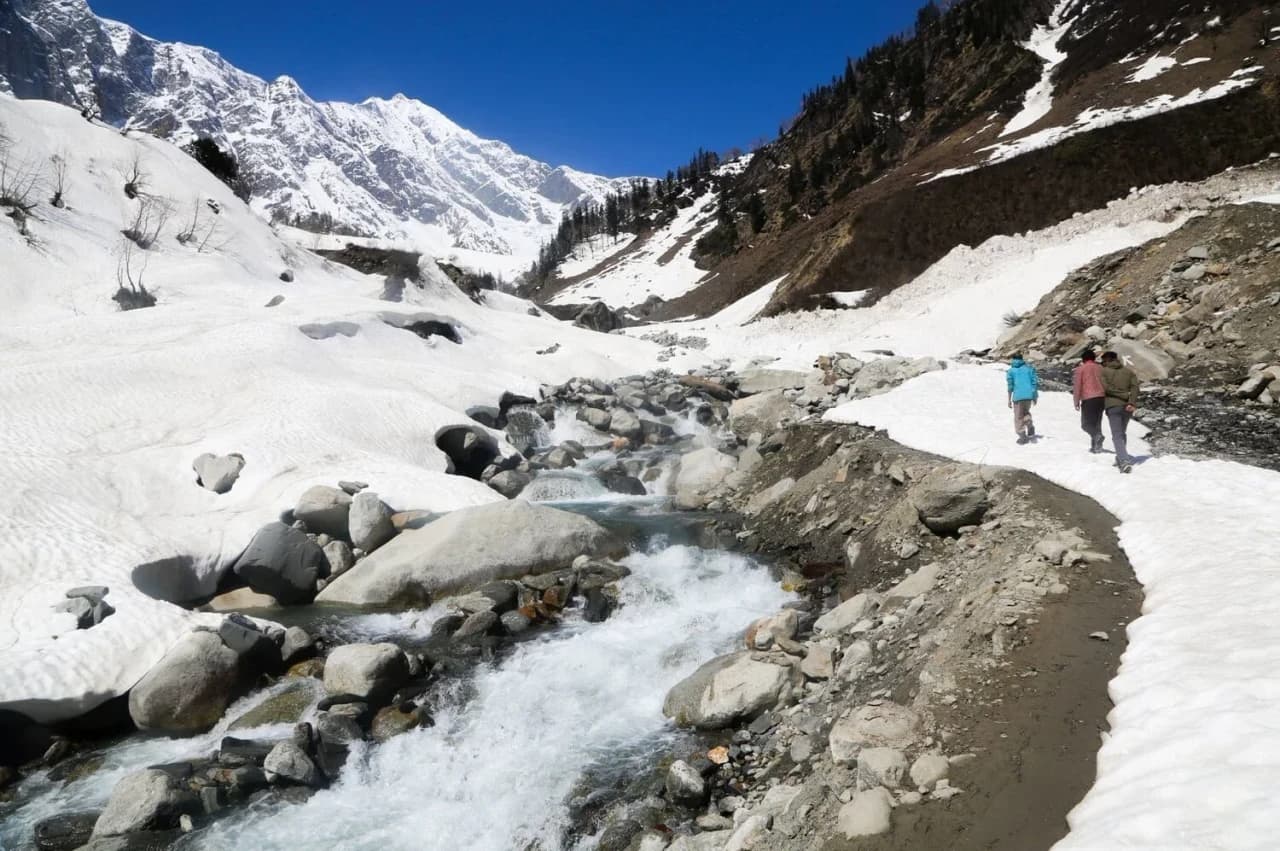
The final ascent to Sar Pass involves climbing a snow slope that is, in the May-June peak season, the defining physical challenge of the trek and the moment that separates those who reach the pass from those who turn back. The slope angle varies by season and conditions — typically 35-45 degrees in the steepest sections — and the fixed ropes placed by operators allow trekkers to haul themselves upward in a way that would be impossible without this assistance. The surface conditions vary significantly: early season (May-June) offers firm snow that accepts crampon points well; July-August brings softer snow that can slip; September-October often has ice rather than snow, making microspikes essential and conditions potentially more challenging. The psychological experience of the snow slope is as significant as the physical: at 3,800-4,200m with limited oxygen, legs burning with the accumulated fatigue of four previous days, hands cold despite gloves, and the drop below becoming increasingly dramatic — maintaining forward momentum requires genuine mental determination. Trekkers who have never faced this specific combination of conditions before often describe the snow slope as their most physically and psychologically demanding experience — and the summit as their most satisfying. This is not incidental to Sar Pass's appeal; it is its heart. The descent from the pass on the far side involves a controlled slide (bum-slide) down a longer but gentler snow slope — typically the most unambiguously joyful experience of the entire trek, descending in seconds what took 3 hours to climb.

Padri Meadows: The Trek's Visual Highlight
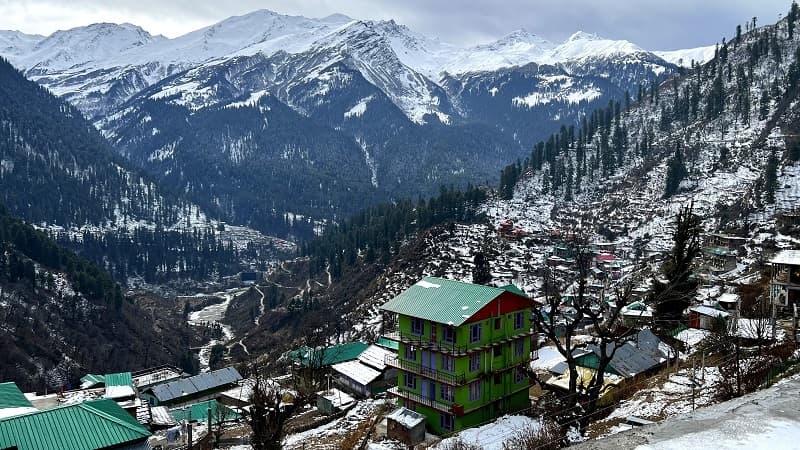
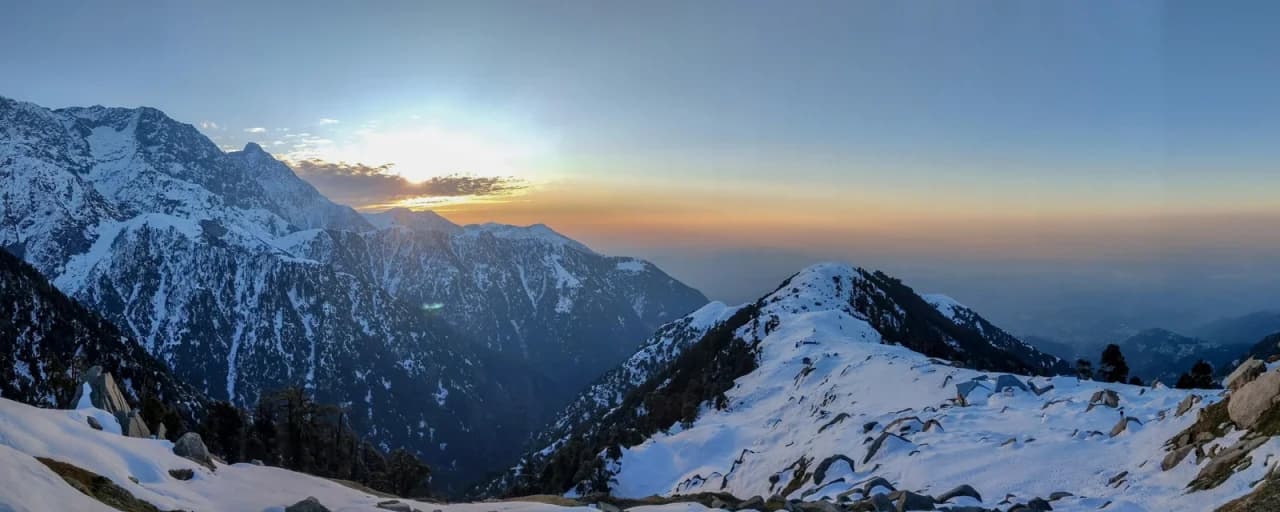
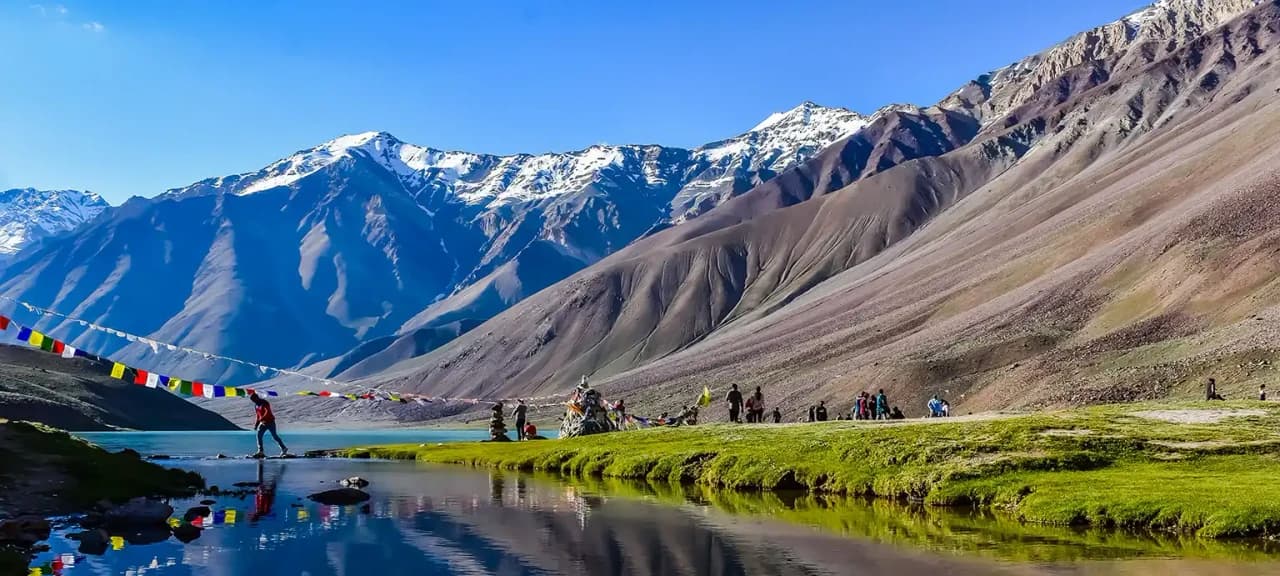
If Sar Pass summit is the trek's physical peak, Padri Meadow at 3,050m is its aesthetic apex — a vast, open alpine bowl that provides the most extended and dramatic views of any campsite on the route. Arriving at Padri after the long forest ascent from Grahan produces one of the trek's great revelations: the sudden opening of the landscape from enclosed forest to wide sky and mountain panorama. The meadow extends for several kilometers in multiple directions, its grasses dotted with wildflowers in July-August in quantities that make it look cultivated rather than wild. The Parvati and Kullu Pumori peaks dominate the southern skyline; ridgelines bearing snow patches frame the meadow's upper boundaries; and the silence (relative, given the number of fellow trekkers) has a quality of spaciousness that forest camping cannot provide. Sunset at Padri is spectacular — the western sky above the ridgeline cycles through orange, pink, and deep purple as stars begin appearing above the peaks to the east, and the campfire (or gas burner equivalent) becomes the evening's social center. Bird diversity in the meadows is extraordinary — ring-necked parakeets, Himalayan griffons and lammergeiers circling overhead, Snow partridges in the upper sections, and the brilliant blue Himalayan Grandala making cameo appearances. Spending an extra day at Padri (building in an acclimatization rest day before pushing higher) is strongly recommended for trekkers who feel altitude effects; this additional time also allows proper appreciation of what is, by any measure, one of Himachal Pradesh's finest accessible alpine landscapes.
YHAI vs. Private Operators: Choosing Your Experience
Sar Pass is one of YHAI's flagship treks, and the organization has run groups here for decades with a solid safety record and established infrastructure. YHAI offers the lowest prices (approximately Rs. 3,500-4,500 per person inclusive of equipment, meals, guide, and porter), makes the trek genuinely accessible to budget travelers, and provides the social experience of trekking in a large, diverse group. The YHAI experience has a summer-camp quality — scheduled wake-up times, meal times, rest times — that some find reassuring and others find restrictive. Private operators offer smaller groups (6-16 people typically), more flexibility in itinerary and timing, superior quality equipment, and more personalized guide attention at prices ranging from Rs. 8,000-15,000 per person. For first-time trekkers who value structure and social experience over exclusivity, YHAI is an excellent choice. For those who can afford higher prices and prioritize smaller groups, personal attention, and quality equipment, private operators provide a distinctly superior experience. Both approaches have merit; the choice depends on priorities and budget. What both share equally is the Sar Pass itself — the trek's defining feature is indifferent to the operator who organized your expedition. The snow slope, the meadows, and the summit view are the same for everyone.
Best Time, Preparation, and Kasol Base
The Sar Pass season runs from mid-May to mid-October, with the most dramatic conditions in early June (maximum snow on the pass slope) and the best overall trekking conditions in September-October (stable weather, clear skies, firm snow, and lower crowd levels). July-August falls in partial monsoon influence — wetter and muggier in lower sections but with spectacular wildflower displays in Padri and Biskeri Thatch. The pass itself typically closes for the season when early autumn snowfalls accumulate, usually in October. Physical preparation for Sar Pass should begin 6-8 weeks before the trek with regular cardio (running, cycling, swimming), leg-strengthening exercises, and practice day hikes with a loaded pack. This trek is rated moderate and does not require prior high-altitude experience — many complete it as their first ever mountain trek. However, reasonable baseline fitness (able to walk 5-7 hours carrying 8-10 kg) is genuinely required, and arriving in poor condition significantly impacts both safety and enjoyment. Kasol, the starting point, has evolved dramatically from a backpacker hamlet to a busy Israeli-influenced hill village with dozens of restaurants, cafes, and guesthouses in all price ranges. Spending 1-2 days in Kasol before the trek allows acclimatization, gear verification, and enjoyment of the village's particular atmosphere — the food, the cafes overlooking the Parvati River, and the social scene of fellow trekkers preparing for various Parvati Valley adventures.
Beyond Sar Pass: The Parvati Valley Context
Completing the Sar Pass trek unlocks Parvati Valley as a destination in its own right, and many trekkers spend additional days before or after the trek exploring the valley's other extraordinary offerings. Kheerganga (the natural hot springs high above Barshaini), Tosh Village (the charming hamlet at the valley's head), Malana (the isolated village with a distinct culture and legendary cannabis cultivation), and the Khir Ganga-Tunda Bhuj route toward the base of Pin Parvati Pass — all are accessible from the same Kasol base and provide context for the valley's wider character. The Parvati Valley has a reputation as a center of countercultural tourism — the famous Israeli backpacker presence, the psychedelic music festivals, the general cannabis culture — that is real but represents only one dimension of a valley that is simultaneously a pilgrimage route for Hindu devotees, a working landscape of traditional Himachali villages, and one of the most botanically diverse mountain ecosystems in the western Himalayas. Experiencing Sar Pass in this fuller context — understanding that the mountain you crossed is sacred to Shiva, that the trail follows ancient pilgrimage routes, that the villages you passed through have maintained their traditions for centuries — transforms a sporting achievement into a cultural encounter of genuine depth.
“
"Sar Pass teaches you that the best things in trekking — the summit view, the snow slope, the meadow morning — are earned, not given. Every difficult step is the price of admission to moments that no comfort can buy."
— YHAI Trek Leader, 2024
Key Takeaways
Practical Tips
Book YHAI treks 2-3 months in advance for peak season (May-June) availability
Arrive in Kasol 1-2 days early for acclimatization and gear verification
Rent microspikes/crampons in Kasol or Bhuntar if not bringing your own
Carry at least 3 liters of water capacity — filling points are limited above Grahan
Wear moisture-wicking base layers — sweating during uphill sections is significant
Bring gaiters — snow tends to enter standard trekking boots on the slope
Carry high-energy snacks for the pass day — breakfast alone is insufficient
Start the pass day by 5 AM for firm snow conditions and safe descent timing
Warm layers including down jacket essential for Biskeri Thatch camp (-5°C at night)
Trekking poles dramatically reduce knee stress on descent — strongly recommended
Inform your operator immediately if experiencing altitude symptoms — don't hide them
Respect campsite cleanliness — Parvati Valley is under severe litter pressure
Photography at pass summit is worth the weight of an extra battery pack
Build fitness 6-8 weeks minimum before the trek — 5 hours/day walking with load
14 tips to help you on your journey
The Sar Pass Trek delivers what every introductory high-altitude trek should: an honest challenge that tests without overwhelming, scenery that earns the word 'spectacular' without requiring superlatives, a structured and supported experience that allows first-timers to focus on the mountains rather than logistics, and a summit moment that, however many shared it with fellow trekkers on the fixed ropes above, feels genuinely personal in its achievement. The snow slope teaches you what you're made of. Padri Meadow teaches you what mountains are made of. And the summit — with Parvati Valley falling away below and the distant cold desert of Spiti appearing at the edge of vision — teaches you what the word 'pass' truly means: not just a crossing of terrain, but a crossing of threshold, from the trekker you were before to the one you become after. Complete the Sar Pass trek and you will understand, viscerally and permanently, why people walk into mountains. You will also, with significant probability, begin planning your next trek before you've even finished descending from this one — because that is what the mountains do to those who come to them willing to work for what they offer.
Kabir Singh
AuthorAdventure tourism specialist and YHAI-certified trek leader with over 50 Sar Pass expeditions. Follow along for more travel stories, photography tips, and destination guides from around the world.