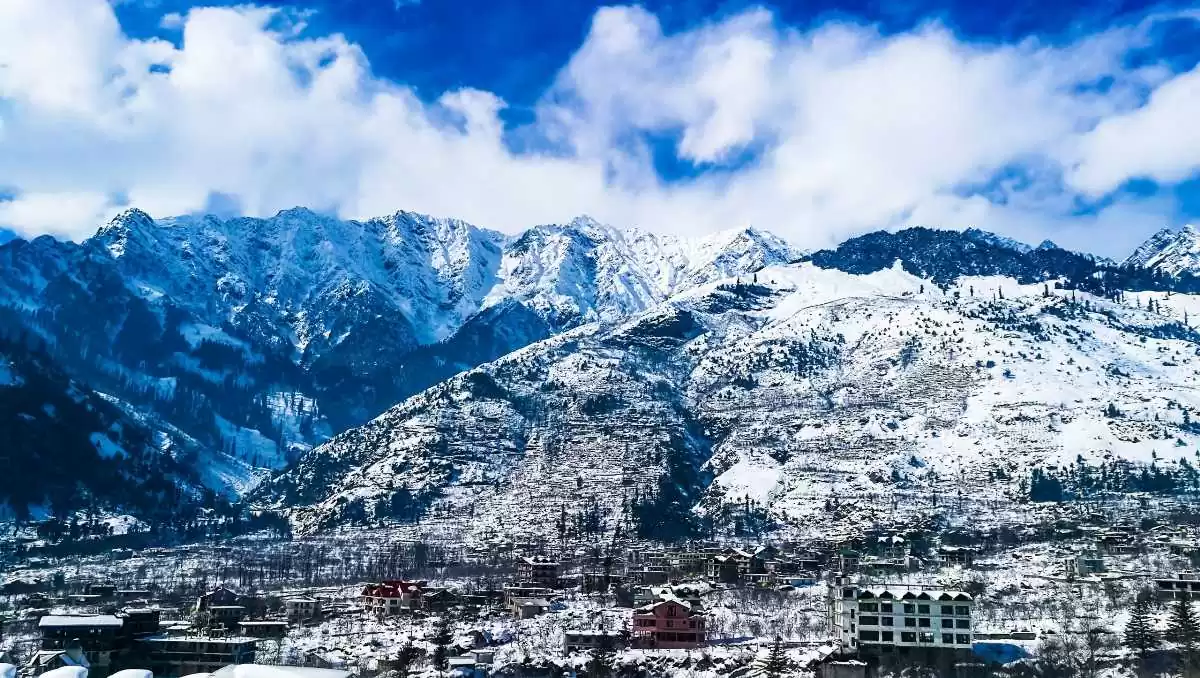
hetadhar is a small, remote village in the Mandi district that embodies the essence of traditional Himalayan life. Untouched by mass tourism and modern development, this hamlet offers travelers a rare glimpse into an authentic way of life that has remained largely unchanged for generations. With traditional wooden houses, terraced agriculture, age-old customs, and genuine warmth of mountain people, Shetadhar is perfect for those seeking meaningful cultural immersion rather than conventional sightseeing.
Traditional Architecture and Village Layout
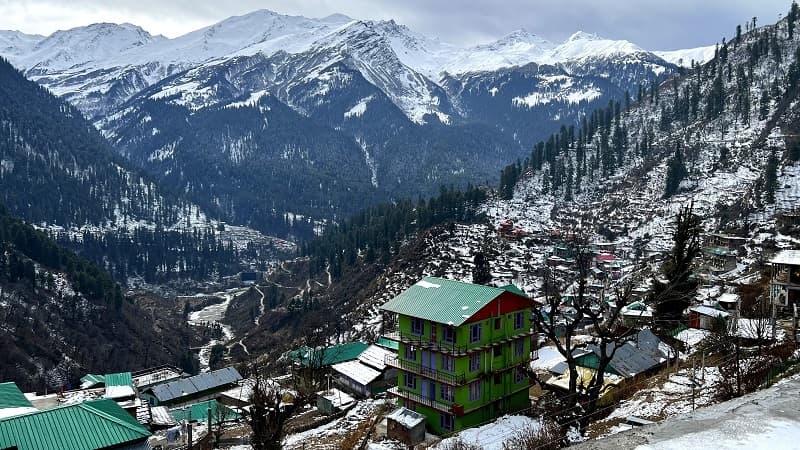
Shetadhar's houses showcase traditional Himachali architecture at its finest. Built entirely from local materials – stone, wood, and slate – these multi-storied structures have stood for centuries. The ground floor typically houses livestock, while upper floors serve as living quarters with intricately carved wooden balconies and windows. The katth-khuni construction technique, where alternating layers of stone and wood provide earthquake resistance, is visible throughout. Each house has a family temple, smoke-stained kitchen ceilings from wood-fire cooking, and storage areas for winter provisions.

Agricultural Life and Seasonal Rhythms
Life in Shetadhar revolves around agriculture and seasonal cycles. Terraced fields cascade down mountain slopes, planted with wheat, barley, rajma (kidney beans), and potatoes. Apple orchards, introduced in recent decades, provide cash income. Villagers practice organic farming by default, using traditional methods passed down through generations. Visiting during harvest season offers opportunities to participate in traditional farming activities – from cutting wheat to drying rajma. The communal spirit during harvest, where neighbors help each other, demonstrates the social fabric that sustains mountain communities.
Daily Life and Cultural Immersion
Experiencing daily life in Shetadhar is the village's main attraction. Wake up to roosters crowing and cowbells jingling as livestock is taken to pasture. Join women at the village spring where water is collected and news is exchanged. Observe or participate in wool spinning, carpet weaving, and other traditional crafts. Meals are simple but delicious – local vegetables, homemade bread, fresh dairy, and seasonal fruits. Evenings often feature storytelling sessions where elders share folklore, legends, and village history, offering insights into Himalayan cultural heritage.

Surrounding Nature and Activities
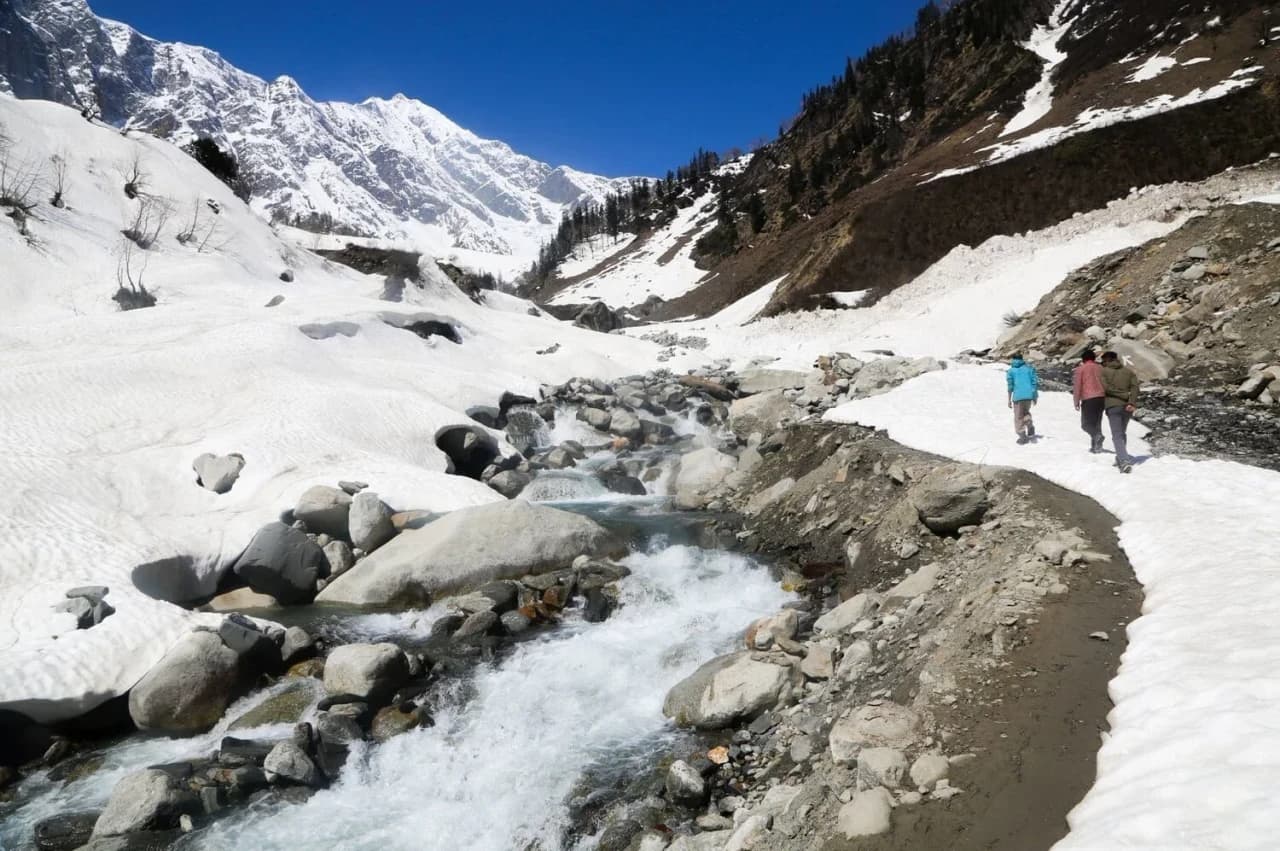
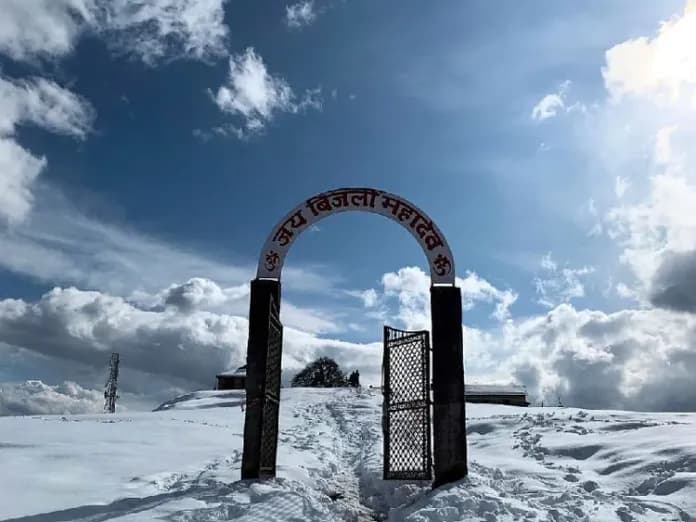
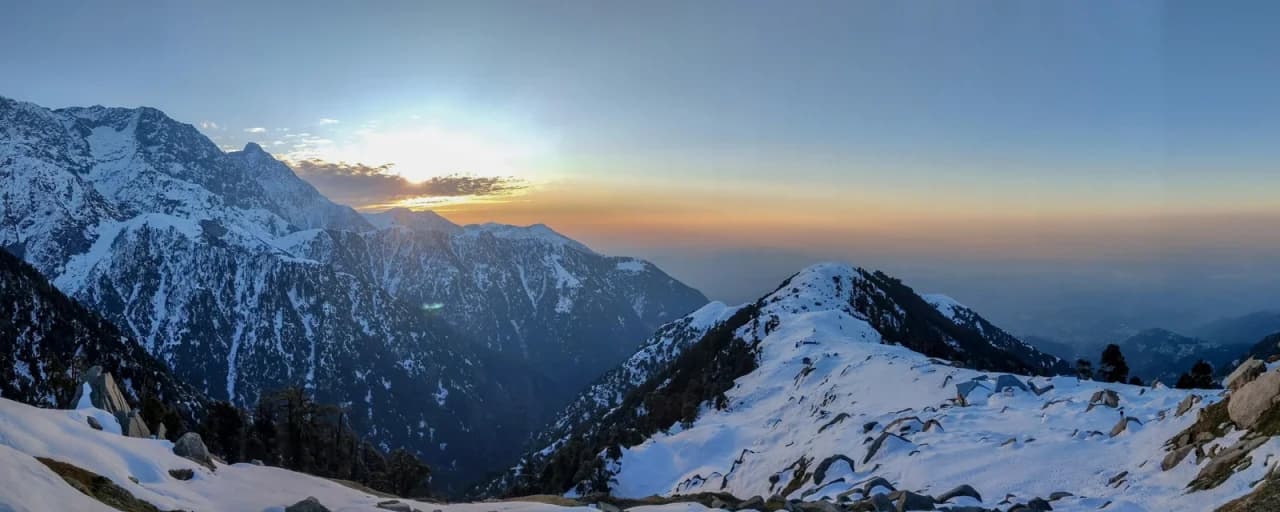
Shetadhar is surrounded by pristine natural beauty. Short walks lead to viewpoints overlooking the valley with Himalayan peaks in the distance. The village is ideal for bird watching, with numerous Himalayan species visible. Forest trails offer opportunities for nature photography and meditation. A small temple on the hillside above the village serves as both a spiritual site and excellent viewpoint. In spring, the hillsides burst with wildflowers and rhododendrons. Autumn brings apple harvest and the landscape turns golden.
Homestay Experience and Community Tourism
Shetadhar offers authentic homestay experiences where you live as a family member rather than a tourist. Accommodations are basic – simple rooms, shared facilities, no Wi-Fi or TV – but the cultural richness compensates abundantly. Your hosts share meals, stories, and daily activities. This community-based tourism model ensures income stays within the village, supporting local families while preserving traditional lifestyles. It's tourism that enriches both visitor and host, fostering cross-cultural understanding and sustainable development.
“
"Shetadhar doesn't have tourist attractions because the entire village IS the attraction. Here, life itself is the experience you came seeking."
— Village Elder, 2024
Key Takeaways
Practical Tips
Book homestays through local community tourism initiatives
Learn basic Hindi phrases – English is limited in the village
Carry cash for the entire stay – no ATMs or payment options
Pack modest, comfortable clothing suitable for village life
Be prepared for basic amenities – running water, electricity can be intermittent
Respect local customs, especially regarding temples and religious practices
Participate in daily activities – it enriches your experience and helps hosts
Try local food even if unfamiliar – it's part of the cultural experience
Mobile network is minimal – embrace the digital detox
Bring gifts for your host family – local sweets or useful items are appreciated
10 tips to help you on your journey
Shetadhar offers something increasingly rare in our hyperconnected world – genuine simplicity and authentic human connection. This is not about luxury or adventure activities; it's about slowing down, living in the moment, and appreciating a way of life that prioritizes community over individualism. For travelers tired of commercialized tourism and seeking meaningful experiences, spending a few days in Shetadhar near Mandi will restore your faith in human warmth and the beauty of living close to nature and tradition.
Anjali Menon
AuthorRural tourism specialist and cultural preservation advocate exploring Himalayan villages. Follow along for more travel stories, photography tips, and destination guides from around the world.